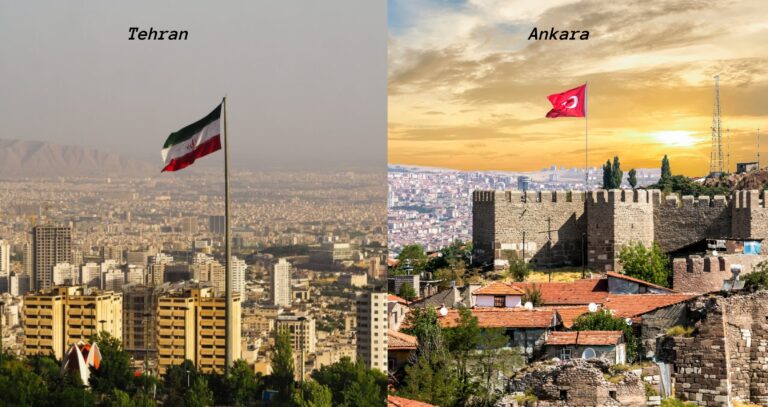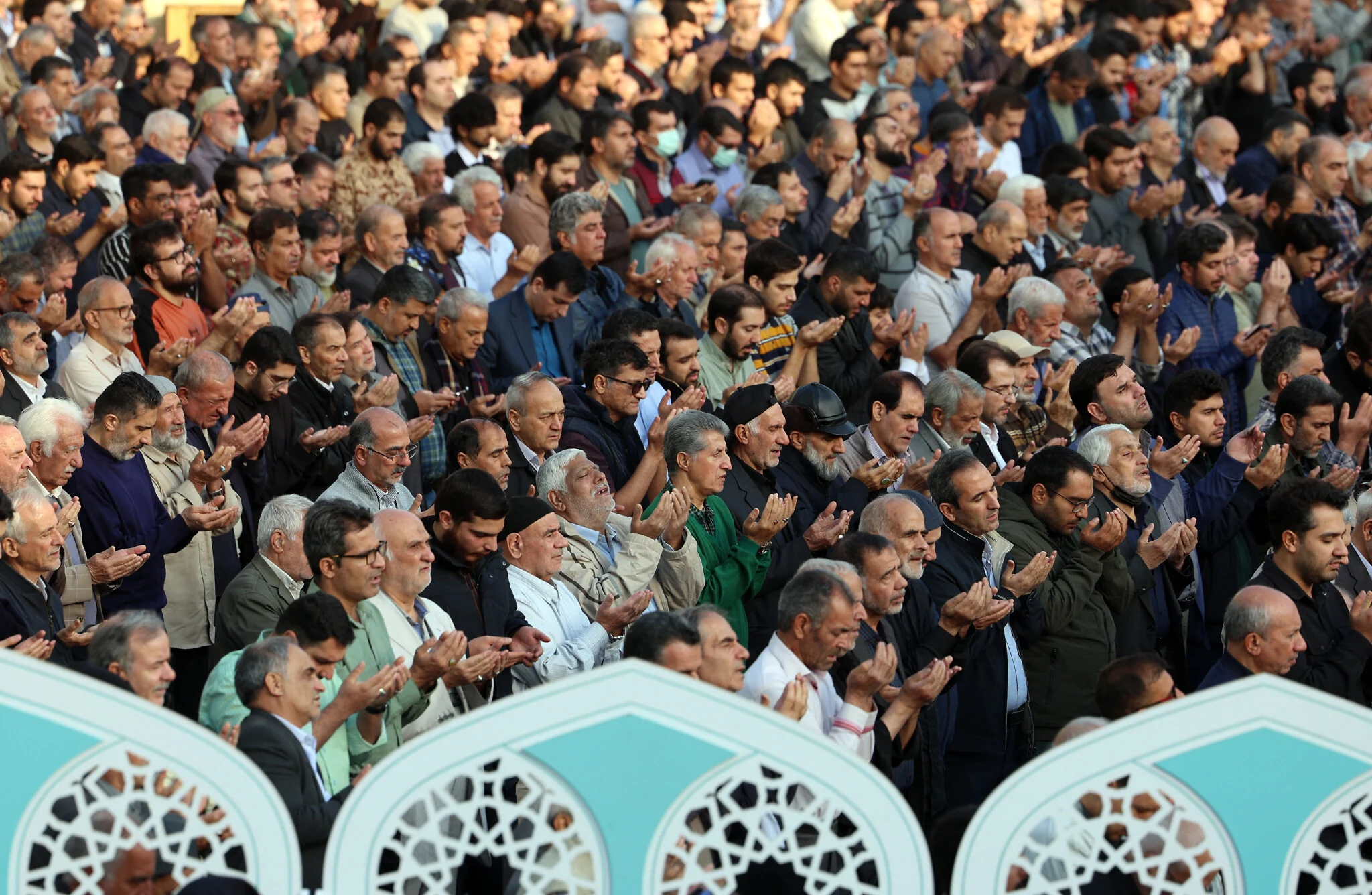
Qatar has made headlines with prayers for rain. The country’s Emir, Sheikh Tamim bin Hamad Al Thani, has called on residents to perform rain prayers because of drought. However, the tradition of praying for rain is not limited to Qatar. In Turkey, mass prayers for rain are held in mosques during droughts. In March 2023, flooding that struck the city of Sanliurfa after a resident prayed for rain sparked discussion on social media. In 2025, heavy rain began during prayers for rain in the Konya region, and floods inundated some areas in Kulu district. In Iran, rain prayers were also held last year in Tehran, Mashhad, Qom and Qazvin amid a water crisis and prolonged drought.
Is praying for rain a tradition unique to Muslims? How can rainfall beginning after a prayer be explained? How should the fact that states and societies still turn to prayers for rain in an era of advanced modern technology be assessed?
Religious scholar Tural Irfan told Globalinfo.az that there are historical accounts of people praying collectively during periods of drought, followed by rainfall:
“Accounts say that during a drought in the time of the Prophet, he prayed with his companions and offered prayers for rain, after which it rained. This tradition continues today in many Muslim countries. Such ceremonies were held in Azerbaijan in ancient times, including during and before the era of Tsarist Russia. People would gather in desert or mountainous areas, sacrifice animals, perform prayers and pray to God. This was because agriculture, fields and crops were vital to people’s livelihoods and social welfare at the time. The tradition has survived to the present day. In particular, there is a tradition in Turkey and many Muslim countries of praying to God for rain. Similar rituals also existed in other religions and ancient beliefs. In Shamanism and Tengriism, various ceremonies were held in connection with drought, solar and lunar eclipses and other events. Islam also has special prayers and supplications related to earthquakes, solar and lunar eclipses, as well as lack of rainfall. This is part of Islamic belief, because such events are believed to occur by God’s will and to confront people as a test.”

Tural Irfan

The religious scholar said that, according to the religious approach, such events are linked to people’s sins and deeds:
“They are seen as a sign and warning from God. In such cases, performing prayers and supplications also means seeking forgiveness and repenting. People acknowledge their mistakes, pledge to correct them and ask God to send rain. Naturally, the scientific approach explains these events differently. Lack of rainfall, earthquakes and other natural phenomena are linked to certain physical and natural processes. However, according to the religious worldview, divine will stands behind all these processes.
The idea that the ultimate cause of events occurring in the world is linked to a divine power is reflected in the philosophy of Aristotle and Plato, as well as in ancient Greek and Eastern philosophy. Under this approach, a prime mover stands behind all movements and processes. Unfortunately, the growing separation between religion and science in recent times has also limited scientific and philosophical explanations of such issues. Some scientists regard religion entirely as superstition, while certain religious circles do not pay sufficient attention to secular sciences. Yet philosophers such as Ibn Sina, Ibn Rushd and Al-Farabi sought in their time to explain religious issues through reason and a scientific approach.”
Laman Imran
Globalinfo.az
Read also