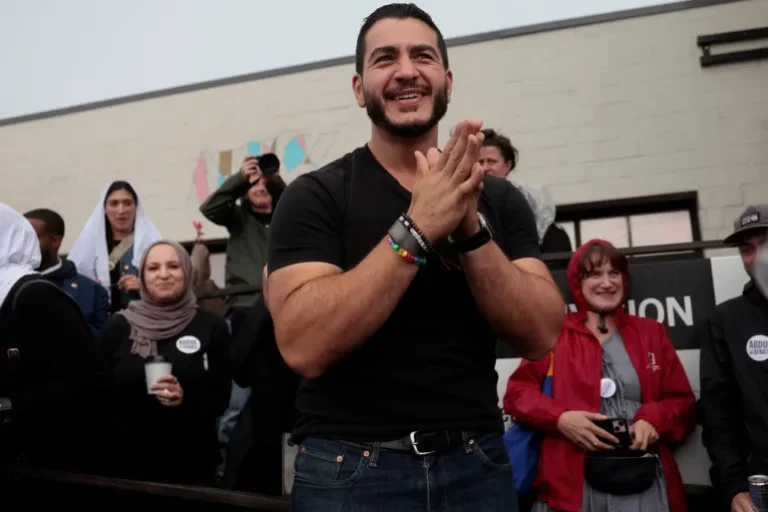
Cases of Muslims being elected to public office in the United States have increased recently. After Zohran Mamdani was elected New York’s first Muslim mayor, the latest Senate elections also saw the first senator in US history elected from Michigan. Muslims elected to the House of Representatives for the first time, alongside those re-elected, also drew attention. The number of Muslims is rising, particularly among members and supporters of the Democratic Party. In Israel, the victory of Arabs in the latest parliamentary elections has also sparked debate.
What is behind this observed trend? Is Christian dominance losing strength in the United States?
Political analyst Anar Isayev told Globalinfo.az that the growing representation of Muslims in institutions of political power in the United States was not accidental:
“This is the result of demographic, political and ideological changes taking place there. A broader process is under way: the transformation of the United States’ traditional model of political and religious identity. For a long time, the United States was known as a society dominated by Christian values. Christianity played an important role in the country’s political, public and cultural life. However, this picture has been changing over the past 20-30 years. Migration, the growth of the Muslim population and rising political activity among new generations of Americans have made the country’s religious and ethnic structure more diverse. Whereas Muslim communities previously mainly sought to protect their religious and cultural rights, their representatives are now directly joining the struggle for power. In other words, Muslims are no longer only voters; they are also becoming participants in political decision-making. Mamdani’s election as mayor is particularly significant in this respect. This is not simply about the victory of a Muslim candidate. It shows that voters in one of the world’s largest political and financial centres can prioritise socio-economic programmes, housing prices, living costs and social justice issues over religious identity”.
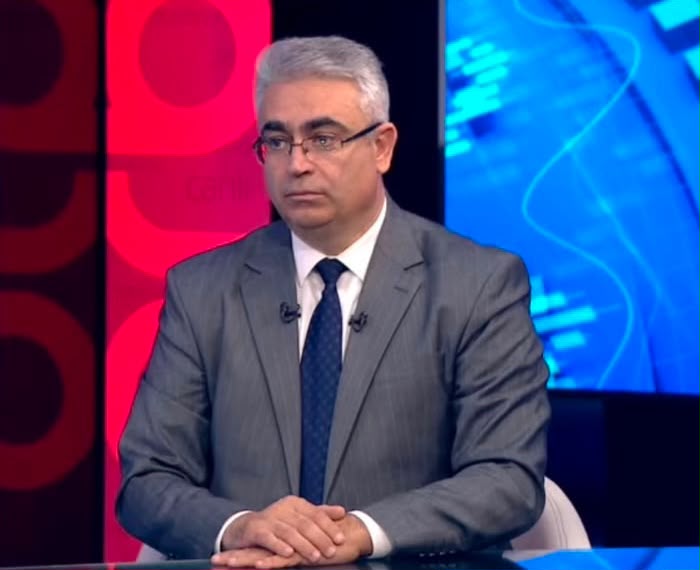
Anar Isayev

The political analyst said that one of the key reasons for the growing political weight of Muslims in the Democratic Party was the party’s political platform:
“Democrats take a more open approach to religious and ethnic diversity, migrant rights, social equality and the political representation of minorities. This increases the interest of Muslim communities in that party. On the other hand, the Muslim electorate is becoming an increasingly important political force for Democrats. The most notable point is that Muslim voters’ political behaviour is not influenced solely by religion. The war in Gaza, US policy towards Israel, social inequality, living costs, healthcare and education also affect their choices. Young Muslim Americans in particular see themselves as citizens who want to influence the country’s political future”.
A. Isayev noted that Christians in the United States still remain the religious group that makes up the overwhelming majority of the population:
“However, compared with previous periods, the influence of religion on political decisions and voter behaviour is changing. The political influence of the Christian-conservative electorate within the Republican Party remains quite strong. In this respect, it would not be correct to say that Christianity has completely lost its political positions in the United States. The political representation of Muslims and other religious and ethnic minorities may increase further in the coming years. There are three main reasons for this. First of all, demographic changes and more active participation by young people in political processes are influencing this trend. Another reason is that voters attach greater importance to everyday issues such as the economic situation, social security, housing, healthcare and education than to religious affiliation. In addition, political parties are compelled to take into account the interests and demands of the changing electorate and shape their positions accordingly”.
Laman Imran
Globalinfo.az
Read also