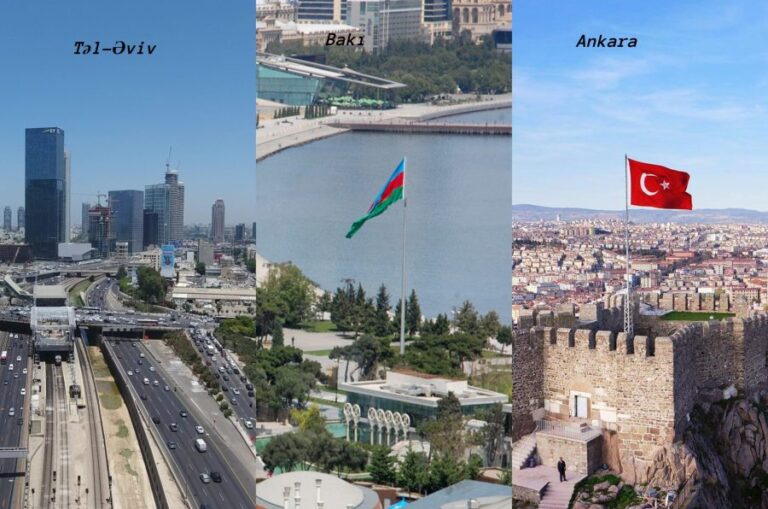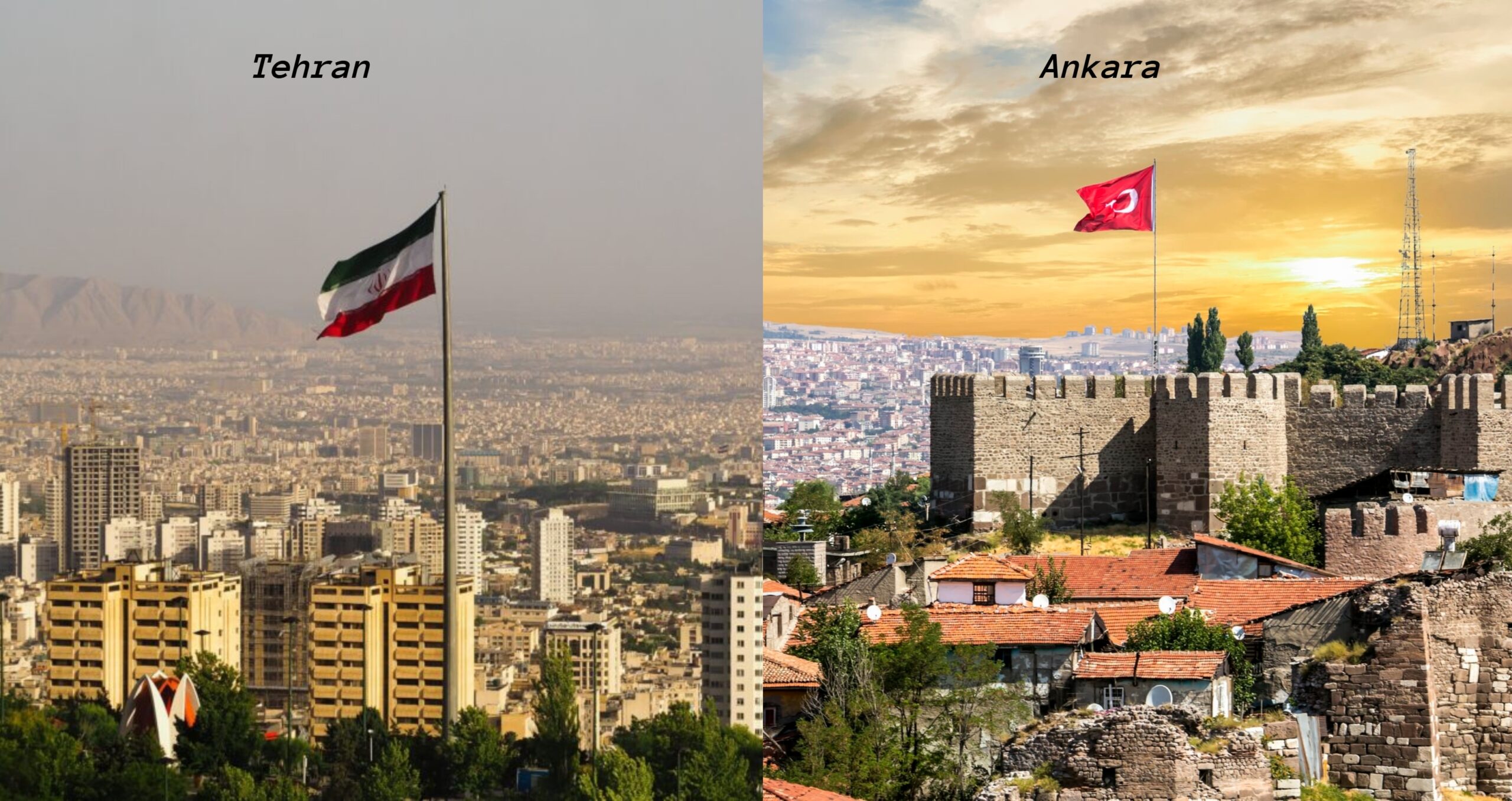
The religious states that radical religious circles in Iran and Turkey want to create in Azerbaijan: one declares it will build a “state of Karim,” the other a “Rashidi caliphate.”
Calls and threats concerning a change to Azerbaijan’s constitutional order are being voiced from the two neighbouring countries.
Can this be considered a dangerous situation? Can they target Azerbaijan and build their own social bases here? Why has the thesis of a religious state been put forward specifically?
Political commentator Asif Narimanli, speaking to Globalinfo.az, said that the calls and threats of both forces — both the “state of Karim” threat coming from Iran and the threat of building a “Rashidi caliphate” voiced from Turkey — are dangerous:
“Because the goal is to change Azerbaijan’s constitutional order and its secular state model. The fact that these calls are voiced from neighbouring countries, especially from Turkey, our brotherly and strategic ally, further increases the scale of the threat. In Azerbaijani society, attitudes toward Turkey have throughout history been on the plane of brotherhood. Nevertheless, threats that our state order will be changed are unwelcome.
The capabilities of both forces to create social bases in Azerbaijan look real. In Iran’s case we have encountered this practice; there are also such aspirations from Turkey. The difference here is that Iran does this through religious identity, while in the interventions coming from Turkey, national identity and the notion of brotherhood are also used. And that is more dangerous.
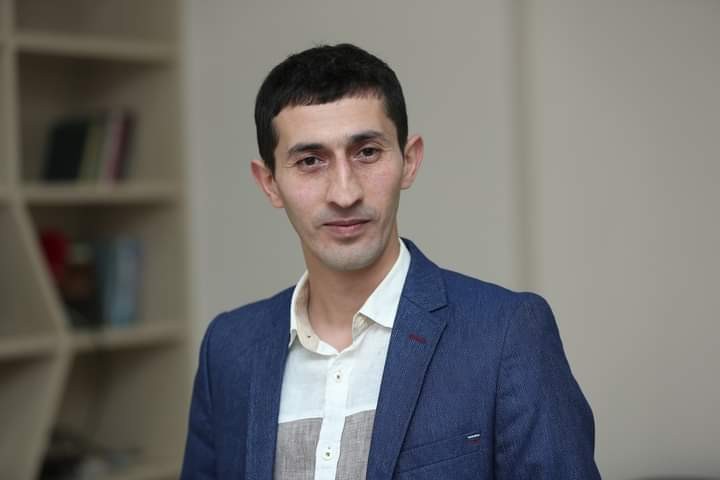
Asif Narimanli
In the calls coming from both directions, the establishment of a religious state model is tied to their ideological approaches.
In Iran, the theocratic regime after 1979, through the “axis of resistance” it created in the Middle East, spread the ideology it calls the “Islamic Revolution” and sought to establish religious regimes, and in many cases succeeded. The Iranian regime has always viewed Azerbaijan as part of the “axis of resistance.” At present, although these forces have been weakened considerably, they have not been entirely eliminated. Plans concerning Azerbaijan also remain in force.
As for Turkey, the strengthening of political Islam based on the Muslim Brotherhood in that country also affects regional policy. In many cases, religious communities and Sufi orders are able to steer the direction of foreign policy by using their influence in ruling circles.
Although today we see that the positions of Turkey and Iran coincide on a number of issues, there is also the reality that these countries are fighting to expand their influence in Azerbaijan’s ideological space. However, the principles of secularism, which are the solid foundation of Azerbaijani society, largely prevent these threats.”
Turan Rzayev
Globalinfo.az
Read also