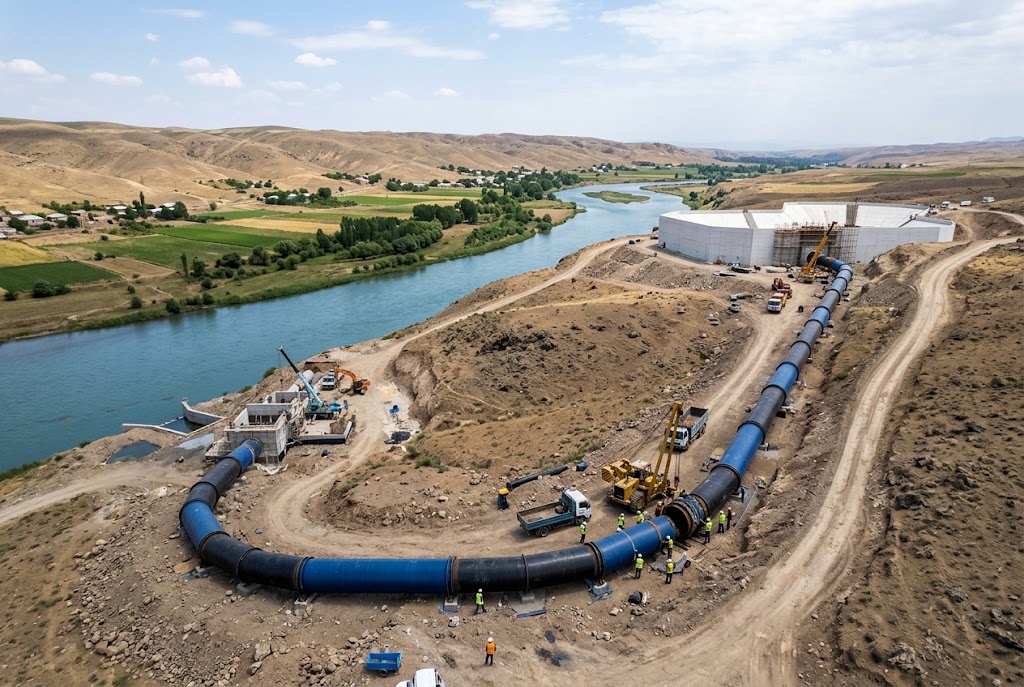
Iran is implementing a large-scale project to transfer water from the Araz River to cities in its own territory. Iran’s energy minister Abbas Aliabadi said that water from the Araz River will reach Marand by 20 March 2026 and Tabriz in the summer months of 2027. The project envisages the transfer of water to the cities of Marand, Shabestar and Tabriz. To this end, a 140-kilometre pipeline is being laid and reservoirs with a total capacity of 270,000 cubic metres are being built. The project covers the drinking water supply of 22 cities. Work has already been completed at 6 of the 7 planned pumping stations.
How could this project by Iran, which involves drawing water from the Araz River to supply 22 cities, affect Azerbaijan’s water security? Could the withdrawal of additional volumes of water from the Araz lead in future to a reduction in the river’s water resources, a disruption of the ecological balance and a growing risk of water shortage for Azerbaijan? What steps is it important for Azerbaijan to take on this matter?
Speaking to Globalinfo.az, ecologist Jamshid Bakhtiyar said that this process could lead to serious consequences for Azerbaijan’s water security:
“The project envisaging the transfer of Araz water towards Marand, Shabestar and Tabriz is one of the issues Azerbaijan must monitor closely. The Araz is an important transboundary water source for us in terms of drinking water, agriculture, irrigation, fisheries and the ecological balance as a whole. Of course, our compatriots also live in the cities that are to be supplied with water under the project. Even if the Araz were not a transboundary river, it would be our duty to support the meeting of their water needs. However, Iran must pay special attention to a number of points while implementing the project. First of all, no damage must be done to the Araz ecosystem and natural balance, and the water needs of the other countries in the basin must not be put at risk. Therefore, the scale of the project and the volume of water to be taken from the river must be precisely determined.”
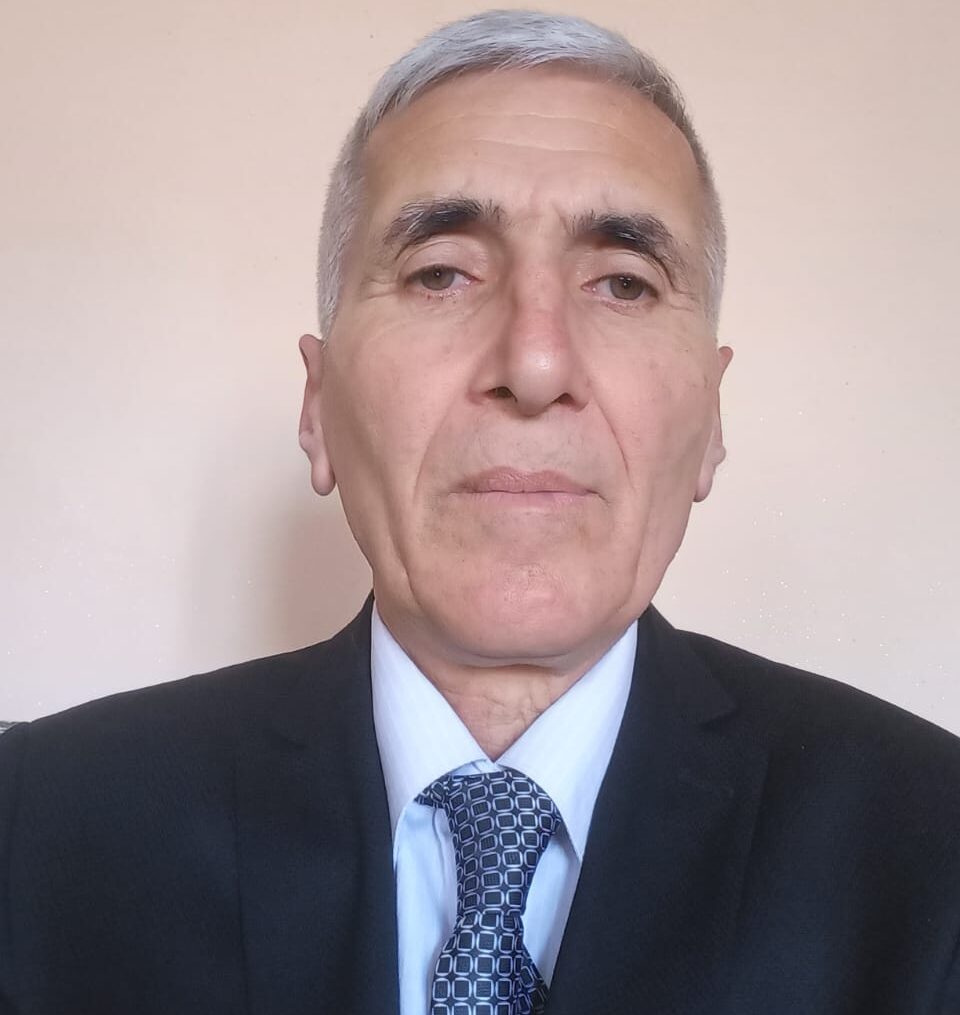
Jamshid Bakhtiyar

The ecologist said that the Araz’s water resources depend on a wide basin that starts in Turkish territory and covers Armenia, Iran and Azerbaijan:
“The river’s water volume is affected not only by natural flow but also by reservoirs built upstream, irrigation systems, climate change and the amount of water taken by individual countries. The question of returning the withdrawn water to the basin is also of particular importance. Since most of the settlements covered by the project are located far from the Araz basin, the likelihood of the water being returned is low. Only in areas close to the river is it possible for a certain volume of domestic water to be discharged back into the basin. For example, withdrawing 100 million cubic metres of water a year and withdrawing 300 million cubic metres do not have the same effect. Even withdrawing the same annual volume in water-rich months and during summer drought periods can produce different results. A particularly important issue for Azerbaijan is the protection of water supply in the lower reaches of the river, at the Mil-Mugan water junction and in the section of the Araz that passes through Azerbaijani territory. A reduction in the Araz’s water will have a negative impact not only on people and agriculture but also on the river’s ecosystem. One of the most important issues is the reduction in the volume of water reaching the Caspian Sea. At the current critical time, when the Caspian’s level is steadily falling, this could act as an additional negative factor. The main problem is that Iran’s project coincides with a period of growing pressure on water resources in the Araz basin.”
J.Bakhtiyar noted that there are specific documents between Azerbaijan and Iran for regulating the allocation of water:
“However, it has not been clearly determined whether Iran’s current project will be implemented in accordance with those documents and how much water it can withdraw within that framework. The steps Azerbaijan takes must not be limited to expressing diplomatic concern. Official and detailed information about Iran’s project must be demanded. In accordance with the principles of good neighbourliness, it must be clarified how much water will be withdrawn from the Araz annually, from which geographical coordinates the water will be taken, the daily and monthly withdrawal volumes, and how water demand has been calculated up to 2046. It must be determined how much of the withdrawn water will be reused or returned to the river basin. It must be established whether an environmental impact assessment of the project has been carried out. An automated water metering and monitoring system must be created on the Araz. The river’s water flow, the reserves in reservoirs, the volume of water withdrawn by Iran, the amount of water reaching the lower reaches, as well as chemical and biological indicators must be monitored regularly. The issue must be raised to the level of regional cooperation, and common mechanisms for the protection of water resources and water quality must be agreed between the four countries in the Araz basin – Azerbaijan, Iran, Turkey and Armenia.”
Laman Imran
Globalinfo.az
Read also