After the Second Karabakh War (27 September – 10 November 2020), the military-political situation in the South Caucasus changed significantly. A new phase began in terms of Azerbaijan’s position, territorial control, military potential and regional diplomatic capabilities.
This issue can be analysed in several dimensions: military power, economic capacity, political-diplomatic position, foreign allies and the comparative balance of forces with Armenia. Across these categories Azerbaijan is incomparably superior to Armenia.
Changes in Azerbaijan’s position
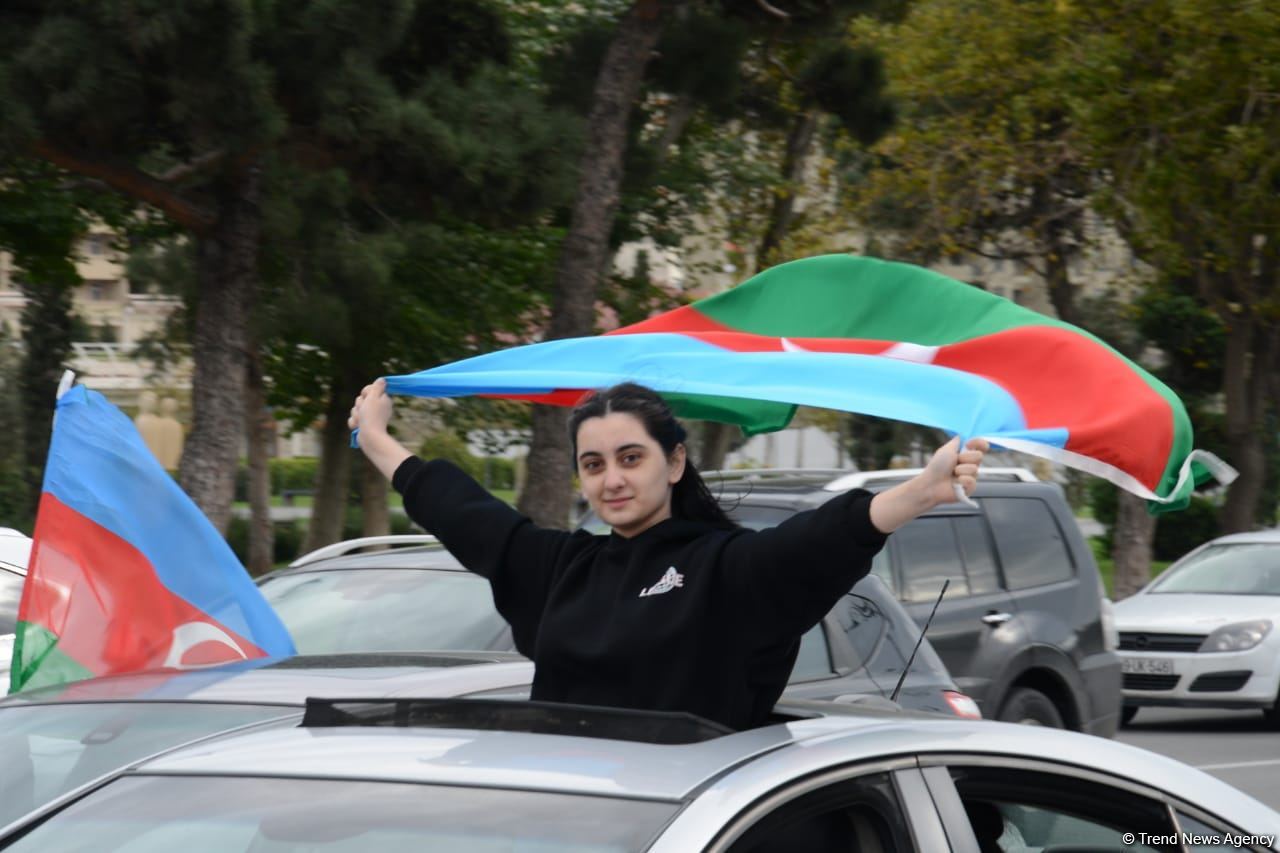
At the end of the Patriotic War that began in 2020, Azerbaijan restored control over part of its territories and the war was halted by the 10 November statement. The event caused jubilation in Azerbaijan; people poured into the squares and streets to celebrate the Victory. In Armenia, by contrast, an angry crowd stormed Nikol Pashinyan’s office, seeking to punish him. The Armenian public had understood that the 10 November agreement was a document of capitulation for Armenia. Having sung the “Great Armenia” chorus from a high podium for nearly 30 years, Armenians were shaken by the outcome of the first stage of the Second Karabakh War.
Azerbaijan then expanded state control over the territory and the military-political situation in Karabakh changed. After the anti-terror operation Azerbaijan conducted on 19-20 September 2023, the separatist entity in Karabakh ceased to function. Finally, in April 2024 the Russian peacekeeping contingent was withdrawn from Azerbaijan. As a result, Azerbaijan effectively secured state sovereignty over every part of its internationally recognised territory.
What changed in six years?
Thus, covering a great distance over the past six years, Azerbaijan not only strengthened its position in the region but became an actor with a say in the international arena. By ending the fact of occupation, President Ilham Aliyev carried Azerbaijan to far superior positions. One important point here is that the ironic attitude towards Azerbaijan in Armenia changed fundamentally. Before the war, the rhetoric of Armenian officials and politicians went like this: “We will drink tea in Baku”, “We will advance as far as Yevlakh”, “The Azerbaijani flag can fly in Stepanakert only if an embassy opens there”, “Karabakh is Armenia, full stop”, and so on. This rhetoric, and the attitude to the Azerbaijani factor as a whole, changed radically after the Victory. And not only in Armenia, but across the CIS area, the region and the South Caucasus.
After 2020 there was also a change in Azerbaijan’s diplomatic position. The restoration of sovereignty over Karabakh created a strategic alliance with Turkey, energy exports and international economic ties, a strategic geographic position in terms of the Caspian Sea and the Middle Corridor, and opportunities to take part in regional transport projects. This, in turn, increased the possibilities of Armenia, a landlocked country. It laid completely bare how much Armenia needs Azerbaijan and Turkey. Armenia understood that enmity with the two Turkic states and territorial claims against them do not make it bigger but, on the contrary, smaller, and limit its opportunities.
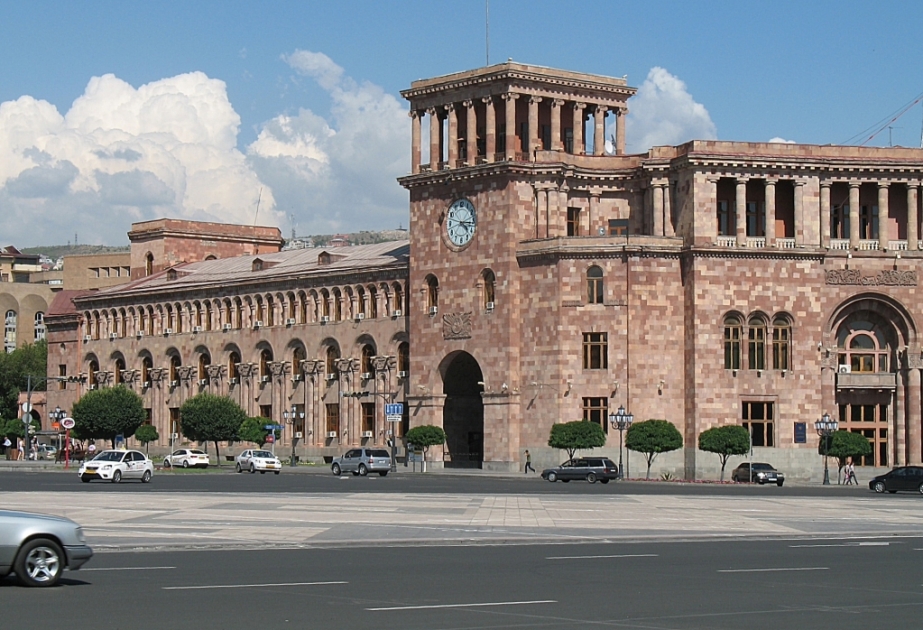
Armenia’s main difficulties
The difficulties are many. For example, its lack of access to the sea, the long closure of its borders with Turkey and Azerbaijan, economic and transport restrictions, and the need to rebuild its military security strategy after 2020 and 2023 have placed the country in an even more disadvantageous position.
The “Aliyev constitution”
Armenia has found itself in a situation where, on almost every issue from foreign policy to domestic processes, it is dependent on Azerbaijan. Baku did not create this situation by force, and there is no attempt to do so. Yerevan itself has found itself in this situation. Things have reached the point where, in Armenia, the decisive factor — from the election process to domestic social and political processes — is Azerbaijan and Ilham Aliyev. In political discussions and public debate in Armenia, the Azerbaijani President’s surname is heard and mentioned more often than the name of Armenia’s prime minister.
Armenia is preparing to adopt a new constitution. The opposition calls it the “Aliyev constitution”. That is, a view has taken hold that the new constitutional provisions are being dictated from Baku. Naturally, this is not the case. What does a conclusion born of the situation in Armenia have to do with us? But the reality is that Baku has repeatedly stated that the provision in the Armenian constitution reflecting territorial claims against Azerbaijan must be removed from the constitution, otherwise a peace agreement will not be signed.
Azerbaijan’s Karabakh Victory was also a liberation for Armenia. For years the fact of occupation kept it from escaping the deadlock. Small Armenia, stuck in the middle of the Turkic area, struggled as a hostage to “great” claims. Rotten ideas and senseless stubbornness prevented the country from joining gigantic geopolitical processes and the international economic chain.
After the 44-day war, the topic of the Zangezur corridor came to the fore. At first these discussions caused concern in Armenia. The Armenian public could not see the big picture. The project was presented as an occupation factor — as if Azerbaijan were going to attack Zangezur. This propaganda campaign had certain behind-the-scenes aspects. They wanted to have Azerbaijan recognised as an occupier country and to weaken its position.
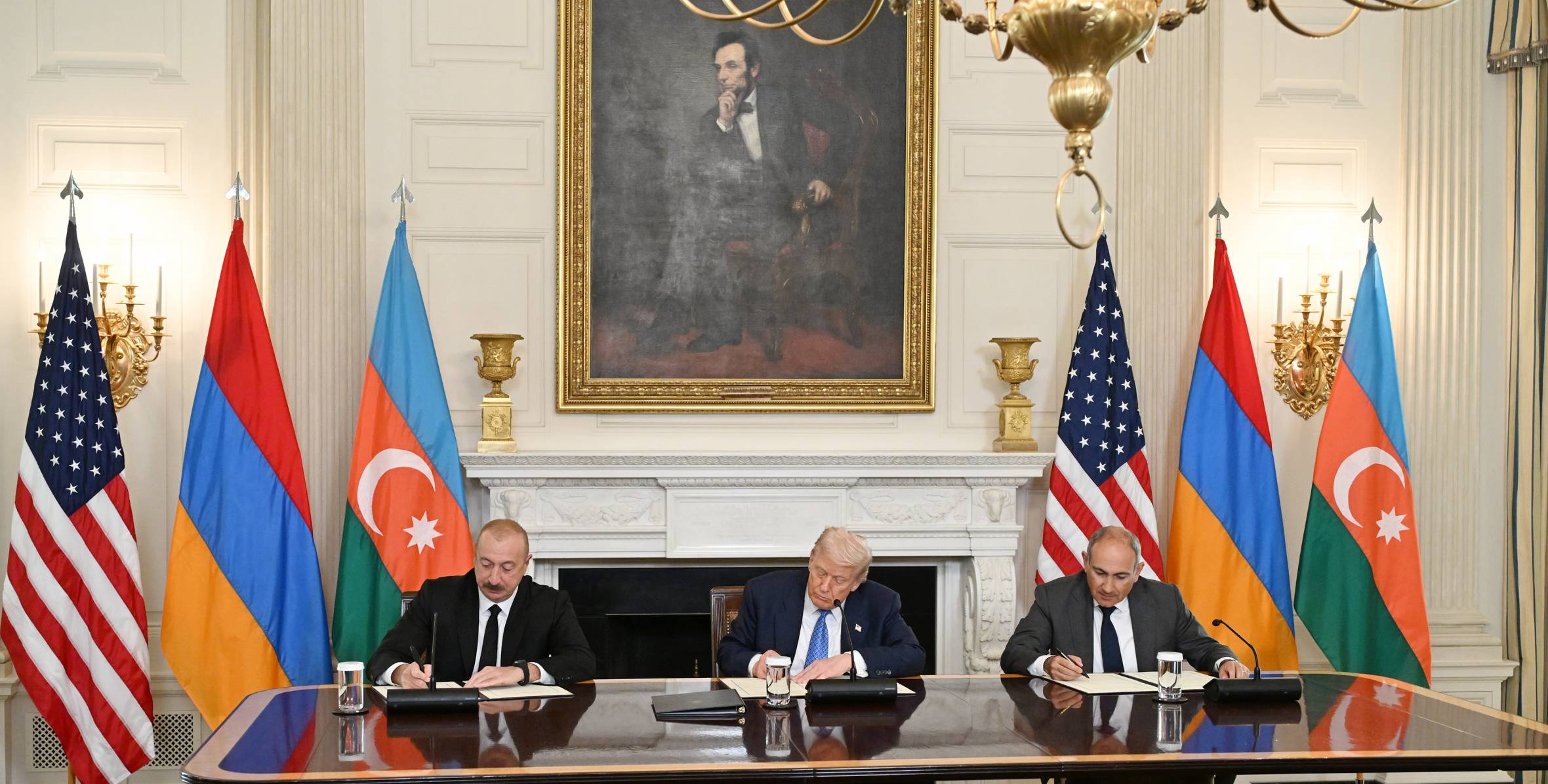
On 8 August 2025, after the leaders of Azerbaijan and Armenia signed a Joint Declaration with the participation of the US president, the rhetoric changed. Armenia began speaking enthusiastically about the creation of the TRIPP transport project.
Six years ago these days, Ilham Aliyev, as President and Supreme Commander-in-Chief, did not only bring victory to his own country. He brought peace and calm to the South Caucasus. He uprooted separatism, ended the occupation and eliminated injustice. He saved the Armenian people from the slavery of the separatists and from the revanchist disease of the Kocharyan-Sargsyan tandem.
Azar Aykhan
Globalinfo.az
Read also