The visible sides of what is happening on the Ankara-Baku line – the motives cited in the information attacks against Azerbaijan in Türkiye do not answer the question “what is the real reason”. Nor is it easy to find, in the versions put forward, a complete answer to the question “what is behind the curtain, what is the issue on which the strategic allies clash”. One point, however, may be clarifying here: although the perpetrators of the campaign-style info-attacks against Azerbaijan in Türkiye, stretching from Karabakh to the hijab issue, are various groups and media entities, the ruling circles twice joined the process directly, or acted in the role of beneficiary.
The first was Iran’s drone attack on Nakhchivan.
Until then, the role of the ruling circles in the accusations levelled against Azerbaijan, particularly over relations with Israel, had been less visible. For the first time, Baku’s tough position on Iran’s drone strike on Nakhchivan airport was met with hostility in Ankara. In media resources close to the government (the Albayrak group), as well as in political circles, Baku was accused of reacting harshly to the attack, and claims were even circulated that the attack on Nakhchivan had been organised by Israel. It was Azerbaijan that was attacked, yet in Türkiye – the guarantor of Nakhchivan’s security – Baku was being blamed.
The second was what happened around the unified school uniform.
Although similar info-attacks on Azerbaijan continued in Türkiye after the attack on Nakhchivan, the ruling circles stayed in the background. Even in the well-known incident involving Netanyahu‘s speech at the UN a few days before the school uniform issue, the accusations were mostly organised in information resources. In the case of the “hijab ban”, however, it rose to the official level, including chief adviser to the Turkish president Oktay Saral and AKP members of parliament.
What was interesting was that Türkiye displayed towards Azerbaijan a position it had never shown towards any other country on hijab-related issues. For example, the same rules are applied in Northern Cyprus, or in other member countries of the Organization of Turkic States (OTS), but Türkiye did not show the reaction it gave to Azerbaijan. This detail not only shows that the real issue is not the hijab, but also refutes the claims that “Azerbaijan took this step on schools knowing that Türkiye would react harshly, and the aim is to create tension”. On the contrary, such an attitude from Türkiye, which does not react over the hijab to its own close circle, appears to have been unexpected for Azerbaijan.

As always, the attack was again expected from Iran. In fact, speculation about the main purpose of the now somewhat unexpected introduction of the school uniform draws attention to what is behind the curtain of the process. We have written about this before: it is not excluded that the issue of the school uniform is a move to create “managed chaos” and to identify the remaining points of intervention in Azerbaijan’s religious-ideological space, and to neutralise them before the possible expected development of events in the region.
With its intervention in the process, Türkiye pushed Iran into the background and, so to speak, played the role of a barrier. This also looks like an attempt to disrupt Azerbaijan’s presumed plan.
And, as in the attack on Nakhchivan, this time too the ruling circles in Türkiye took a position against Azerbaijan precisely because of Iran.
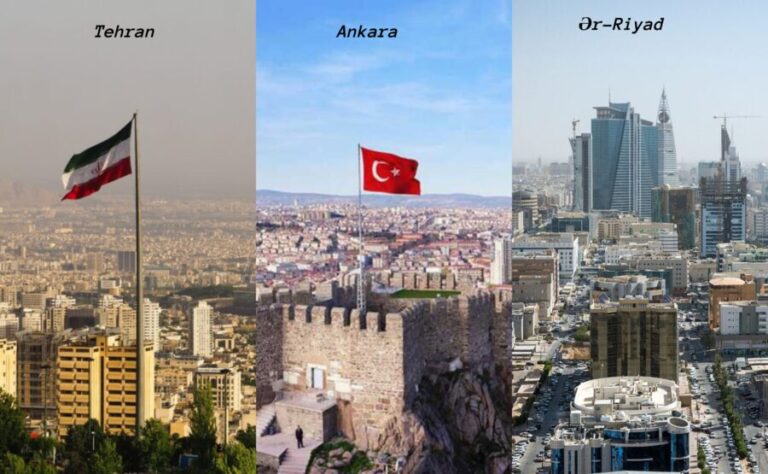
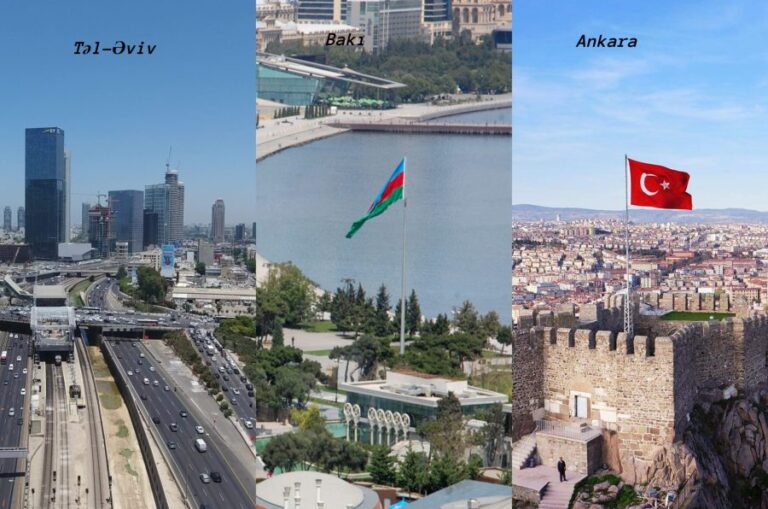
These details strengthen the version that the point of strategic clash on the Baku-Ankara line is Iran. The point is not that Azerbaijan is on the opposite front to Iran; on the contrary, despite the artificial tension that has from time to time originated in Tehran, Baku remains committed to the principle of good neighbourliness and wants the war to stop and the conflict to be resolved at the negotiating table, and it has demonstrated this in both its political and practical steps. But alongside Iran, in Türkiye too an opinion is being formed that Azerbaijan is on the opposite front; this is one of the claims circulated both during the attack on Nakhchivan and in recent processes.
There is an expectation that a decisive process regarding Iran will take place. Azerbaijan is forced to consider its interests, which include Tabriz, in the possible development of events that does not depend on it. In this perspective, Türkiye’s interests regarding Iran, and also the future of the region, do not coincide with Azerbaijan’s.(Publika.az)
Read also