“When I heard Hossein Simayi-Sarraf’s call, the first question that came to my mind was this: how far must Iranian officials look in order to talk about the right to education? Because the nearest examples of the violation of this right are inside their own country.”
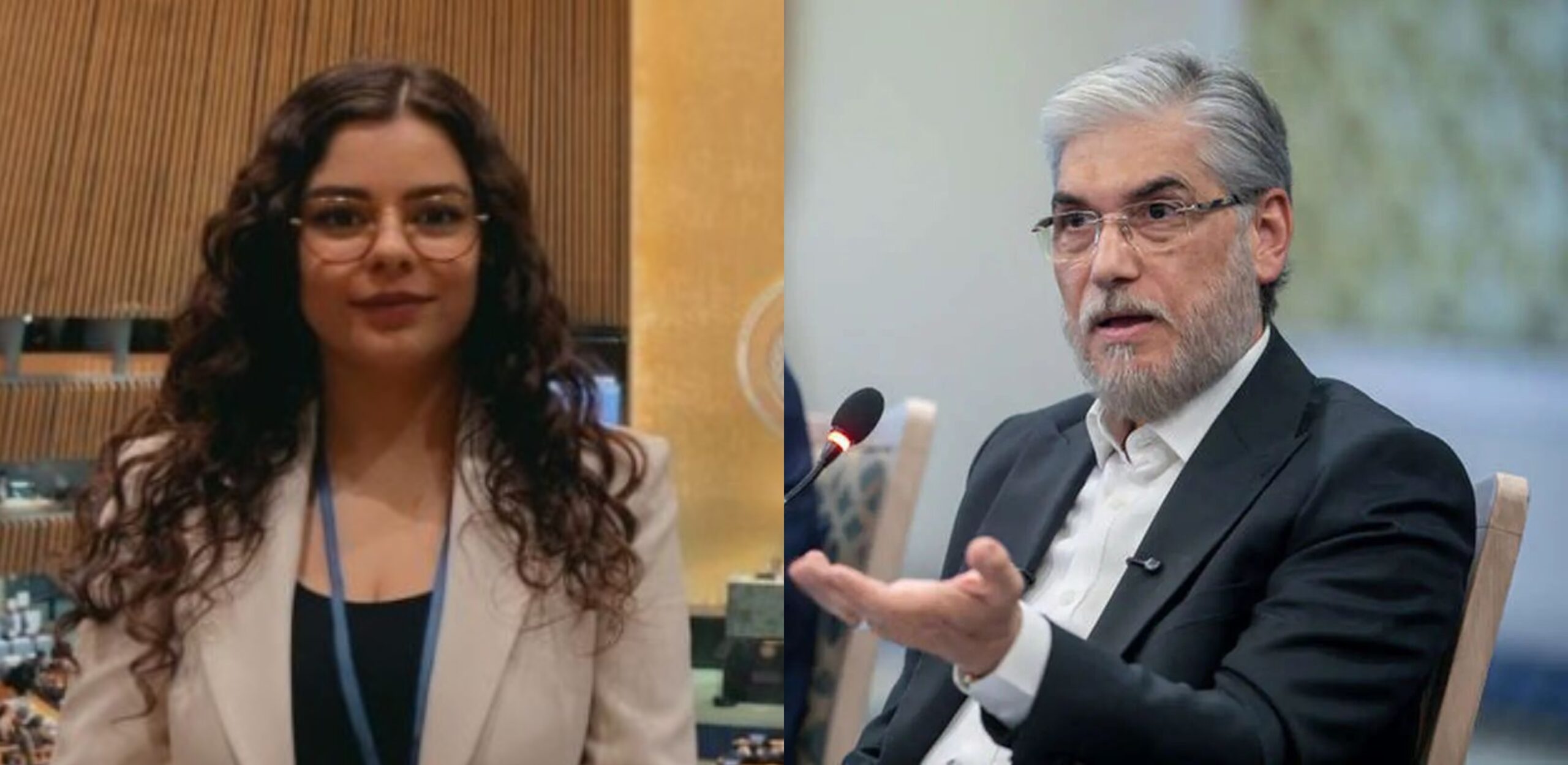
These words were spoken to Globalinfo.az by Turkan Bozkurt, a southern human rights defender living in Canada and deputy director of the IPEK Center.
“I do not observe this from the outside. As a southern Azerbaijani, I know that there a child on the first day of school has to leave their mother tongue at the door and go inside. Millions of children who speak Azerbaijani Turkish at home, who hear lullabies and fairy tales in this language, come face to face with a completely different language in the classroom. At school neither the textbook nor the lesson is in their own language, and the situation is no different in higher education. Yet even Iran’s own constitution opens the way for literature in regional languages to be taught in schools. But this article has remained on paper for decades. Although President Pezeshkian touched on this issue in the election campaign, later even the proposal for a mere two hours of teaching of mother-tongue literature in parliament, and that as a voluntary lesson, was not accepted, and the government’s representative stood on the side of those who opposed it,” Bozkurt said.
She said that in Iran girls are forced to cover themselves starting from primary school:
“Neither a pupil who wants to keep her head uncovered nor a female teacher has the right to make that choice. The whole world watched what happened in recent years to young women who protested against this compulsion. If the minister who says that clothing should not be an obstacle to education had first applied this principle in his own country, his words would sound more convincing.
The problem does not end with clothing alone. According to Iran’s own official figures, hundreds of thousands of children are left out of school every year, and those in the most vulnerable situation in this regard are girls from poor families, especially in remote regions. In some regions, girls make up the vast majority of children left out of school. Poverty, early marriage and the absence of a girls’ school in the village cut their path to education short.”
She noted that religious freedom in Iran is a separately painful topic:
“Young people from Baha’i (the Baha’i faith – ed.) families, even if they achieve high results in the entrance exam, are not admitted to university purely because of their faith, and those who somehow get in are often expelled after a while. That is, in Iran whether a girl receives an education depends, before her clothing, on her language, her faith and her family’s means.”

According to Bozkurt, Iranian officials themselves do not hide that this call is in fact not about education:
“The Supreme Leader’s adviser on international affairs, Ali Akbar Velayati, linked the school clothing issue directly to Azerbaijan’s foreign relations, and even called into question the holding of the Organisation of Islamic Cooperation summit in Baku in 2027.
At the same time, one of the Iranian MPs writes to the speaker of the Milli Majlis citing international human rights documents. Yet the relevant UN committee has recommended that Iran ensure that minorities receive education in their mother tongue, and UN special rapporteurs have repeatedly expressed concern about this.
The Convention on the Rights of the Child, to which Iran is a party, also recognises the right of children belonging to minorities to use their own language. But Tehran ignores all this. Remembering international law only against a neighbour and forgetting it in one’s own home shows that this issue is not legal but political.
Whipping up an internal discussion in another country through religious sentiment and turning it into a tool of pressure in foreign policy benefits neither those girls nor relations between the two peoples.
Therefore my most sincere recommendation to Iranian officials is this: before offering educational freedom to others, let them give that freedom in their own country to children who want to study in their mother tongue, to girls who do not want to cover themselves, and to young people turned back from the university gate because of their faith. And let them first explain to our compatriots in the South in which language they will teach the girls they have invited.”
Gulnar Salimova
Globalinfo.az
Istanbul
Read also