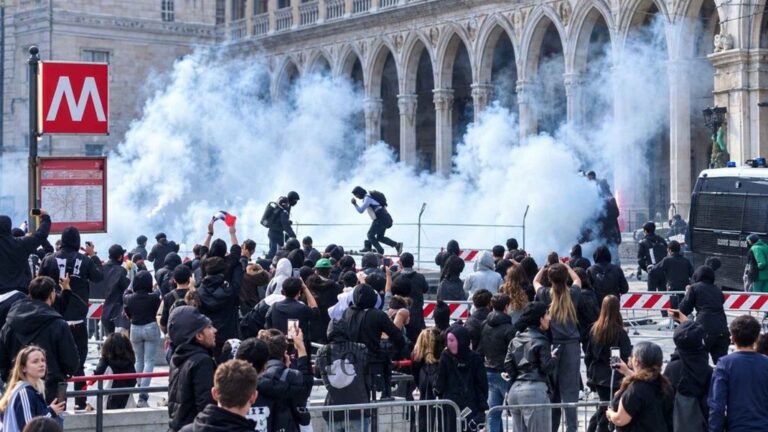
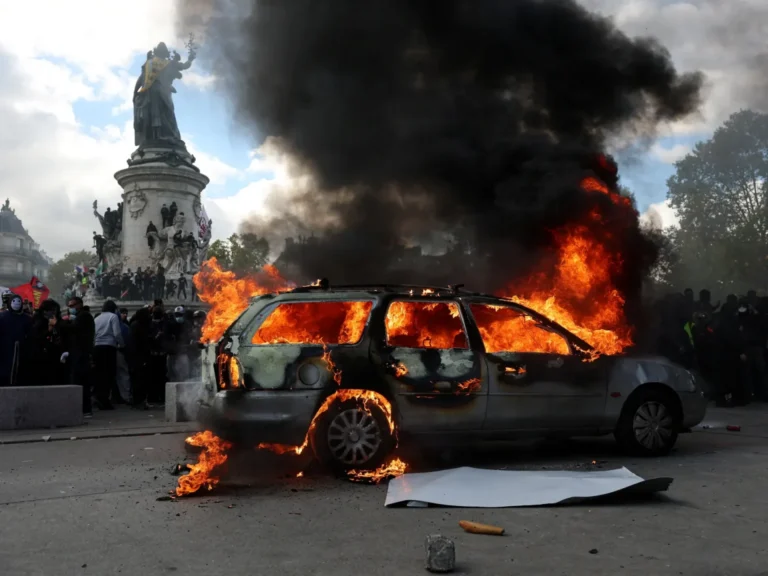
Large-scale protests took place in France and Germany on 31 October. In France, schoolchildren, students, trade unions and various public groups protested against social problems, the rising cost of living and the government’s policies. In Germany, young people took to the streets against problems in education, price rises, climate issues and the possible return of compulsory military service.
Could these protests turn into a new wave of discontent in Europe? How realistic is it that the actions will continue and expand further?
Political commentator Ali Mustafayev told Globalinfo.az that the problems accumulated during Macron’s time in power in France are now manifesting themselves in the form of protests:
“These protests could spread to other European countries as well. Because recently European countries have been cutting social spending to a certain extent. Military security issues are forcing governments to allocate more funds to this area. And this could lead to a reduction in the resources allocated to the social sphere and to growing discontent.


Ali Mustafayev
On the other hand, the possibility that the interests of certain political groups lie behind the protests is not ruled out. There is currently a certain rivalry and political struggle between the globalist forces in power in Europe and President Donald Trump and right-wing political forces in Europe. I believe this confrontation also affects the processes under way.”
The political analyst said these processes are shaping a new political situation in Europe:
“Presidential elections will be held in France next year, while in Germany there is still time before the next parliamentary elections. Nevertheless, certain discontent also exists inside Germany. It seems to me that over time the tension will ease and the sides will reach a certain compromise. However, despite all this, Europe’s political landscape is changing.”
Safura Bannayeva
Globalinfo.az
Read also