
The United States Department of the Treasury’s imposition of new sanctions on Iran-linked individuals and entities on October 15 has once again brought relations between Washington and Tehran into focus. Questions remain over how the move will affect Iran’s political and economic situation, as well as the prospects for diplomatic dialogue between the two countries. The possible impact on geopolitical developments in the Middle East and relations among regional powers is also drawing attention, as the sanctions increase pressure on Iranian officials.
Against the backdrop of the United States Department of the Treasury imposing new sanctions on Iran-linked individuals and entities on October 15, how could this move affect the Iranian government politically and economically? Could sanctions against Iranian diplomats further heighten tensions in U.S.-Iran relations and limit diplomatic dialogue between the sides? What are the possible implications of this step for geopolitical developments in the region?
Speaking to Globalinfo.az, Doctor of Philosophy in Political Science and political analyst Shabnam Hasanova said new U.S. sanctions targeting the aviation sector were leading to the elimination of international flight routes:
“Under such conditions, Iranians are losing both considerable time and money. For example, at the end of September, a flight from Tehran to Dubai took less than 2 hours, with ticket prices ranging from 100-200 dollars. Now, the same journey takes up to 18 hours and costs more than a thousand dollars. Undoubtedly, the current change is occurring as the United States once again targets Iranian airlines with sanctions. The sanctions are becoming increasingly stringent. As a result, direct flights between Iran and the United Arab Emirates, as well as several other countries, have been suspended. The European Union has imposed sanctions on 27 airlines operating in Iran. Countries such as the United Arab Emirates and Georgia have suspended services for Iranian flights. All this is happening against the backdrop of the U.S.-Israel-Iran war.”
In the political analyst’s view, this war is not limited to affecting the countries in question, but is also causing large-scale disruptions to international air links:
“Flights to some countries, including China and Russia, continue despite the latest U.S. measures. However, restoring suspended routes will require negotiations with other governments.
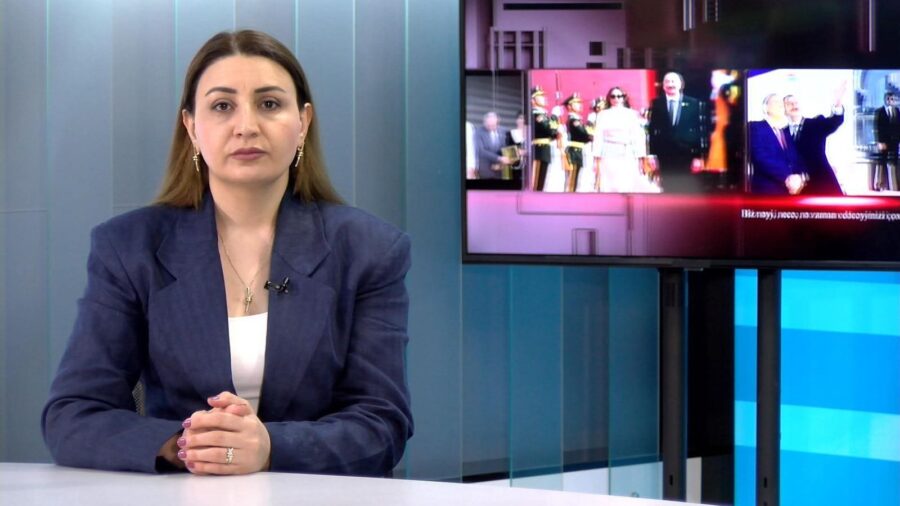
Shabnam Hasanova
On the other hand, Iranians are transferring their money abroad to evade U.S. sanctions. This is because sanctions imposed over the years have severely restricted Iran’s access to the global financial system. Alternative currency exchanges are now preferred. Although there are private arrangements in some cases, they also raise issues of trust and confidence, creating new problems.
We see that cryptocurrencies are an alternative, but they are certainly not immune to risk. This is because major cryptocurrency platforms in Iran have also been sanctioned. These include Nobitex, Valex, Bitpin and Ramzinex. Delays have also emerged in import operations. Meanwhile, the Iranian rial is losing value. As a result, Iran is facing a financial crisis. Restricted access to the international banking system complicates payments. Currency issues create an additional financial burden. Trade and logistics problems are increasing. In other words, the transport and delivery of goods are being delayed. The depreciation of the Iranian rial reduces the viability of business deals. There is also geopolitical uncertainty. War, new sanctions and internet disruptions undermine the reliability of alternative systems.”
Turan Rzayev
Globalinfo.az

