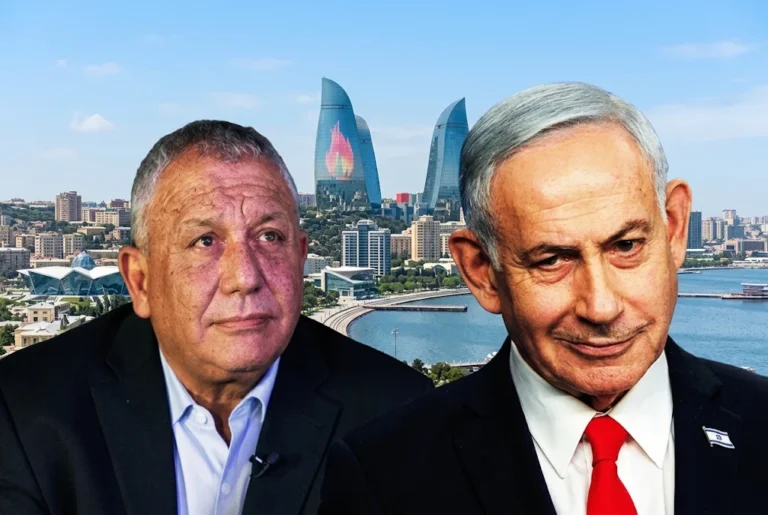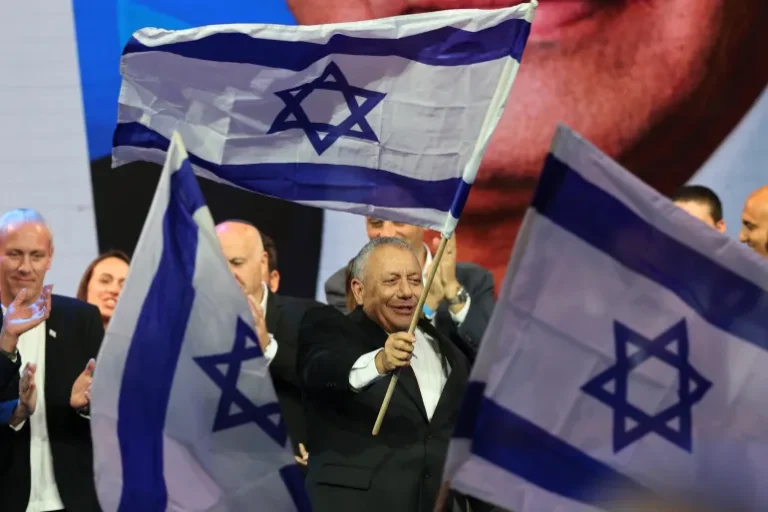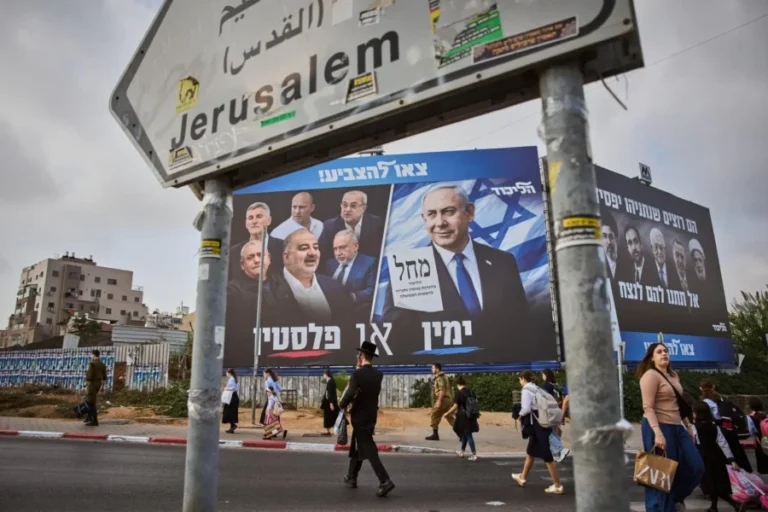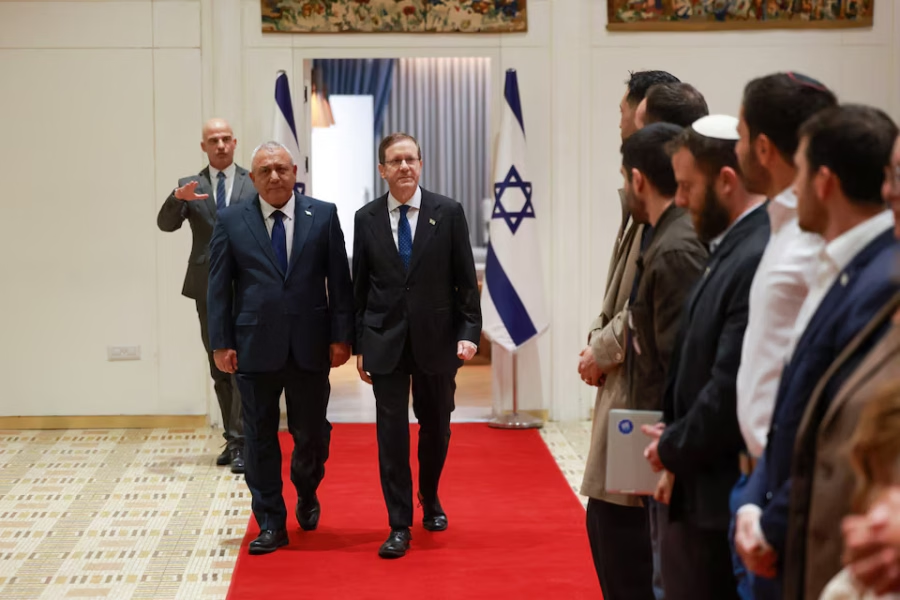
Israeli President Isaac Herzog has given the mandate to form a new government to opposition leader Gadi Eisenkot, head of the “Yashar” party. The decision comes after no political bloc secured the majority needed to form a government in the Knesset following parliamentary elections held on October 27.
Eisenkot’s main task is to form a new coalition to replace the Netanyahu-led government and secure the support of at least 61 members of parliament.
Speaking to Globalinfo.az, political analyst Mahammad Asadullazade said Eisenkot had become the leading candidate to form a government after securing the support of 67 members of parliament:
“I believe he faces quite serious political and diplomatic tasks. Eisenkot’s main challenge is to overcome the heavy political legacy left by Benjamin Netanyahu and set out a new approach to Israel’s regional policy. I believe the new government may make certain changes regarding Gaza, Palestine and Hezbollah. Naturally, it does not appear realistic for Israel to seriously depart from its strategic security line or take steps towards recognising a Palestinian state. It is clear that this would face serious political resistance within Israel.
Nevertheless, I believe Eisenkot will place less emphasis on the use of military force and greater emphasis on diplomatic means than Netanyahu. One of his main tasks will be to restore Israel’s international image, improve the humanitarian situation in Gaza, create conditions for the work of international humanitarian organisations, and take practical steps to end the ongoing bloody confrontation in the region.”

Mahammad Asadullazade
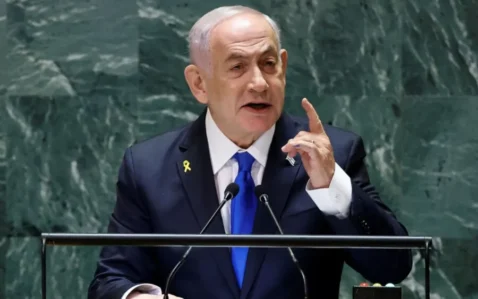
The political analyst said Israel had entered a period of serious crisis in recent years, both for itself and for the Middle East as a whole:
“This crisis has also negatively affected Israel’s international relations, particularly its ties with Western countries. If Eisenkot can pursue a realistic policy to resolve these problems, his chances of gaining the support of the international community and the West will increase.
Certain differences may also emerge in relations with US President Donald Trump. However, I believe the Trump administration may view Eisenkot’s rise to power as a more pragmatic option than Netanyahu. This is because Netanyahu sought to deepen military escalation over Iran and push Washington towards tougher steps. Eisenkot’s preference for diplomatic mechanisms in resolving regional problems may also align with the interests of the US administration.
I believe the formation of a new government in Israel could lead to certain political changes in the Middle East. Nevertheless, to assess Eisenkot’s actual policy, it is necessary to wait for his government programme, coalition-building process and the steps he will take during the first 100 days after taking office. Only then will it be possible to more objectively assess whether he pursues a political course different from that of the Netanyahu era.”
Turan Rzayev
Globalinfo.az
Read also