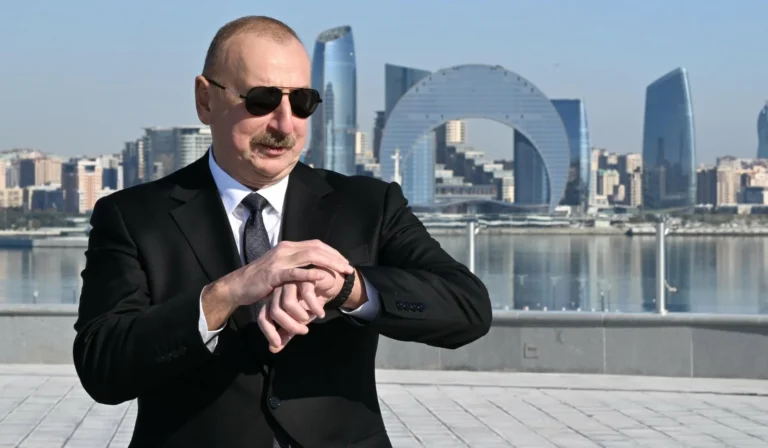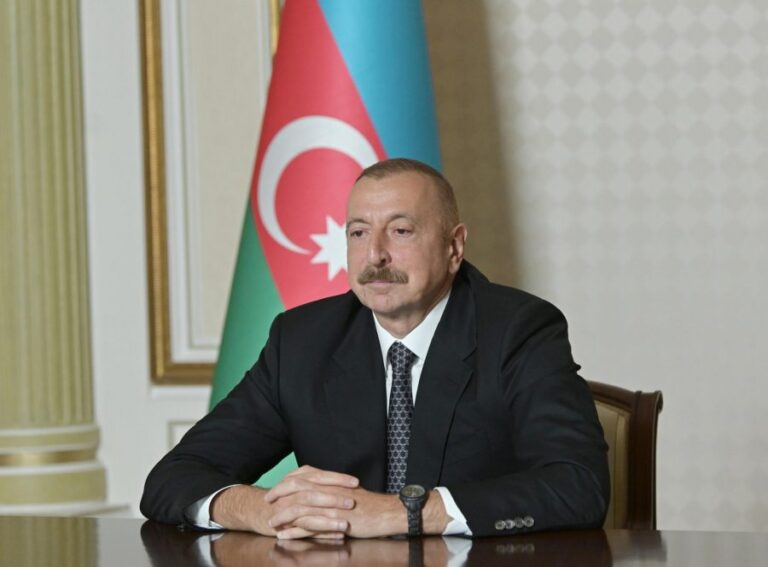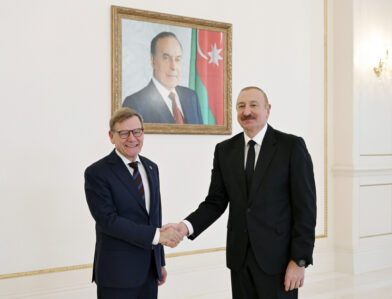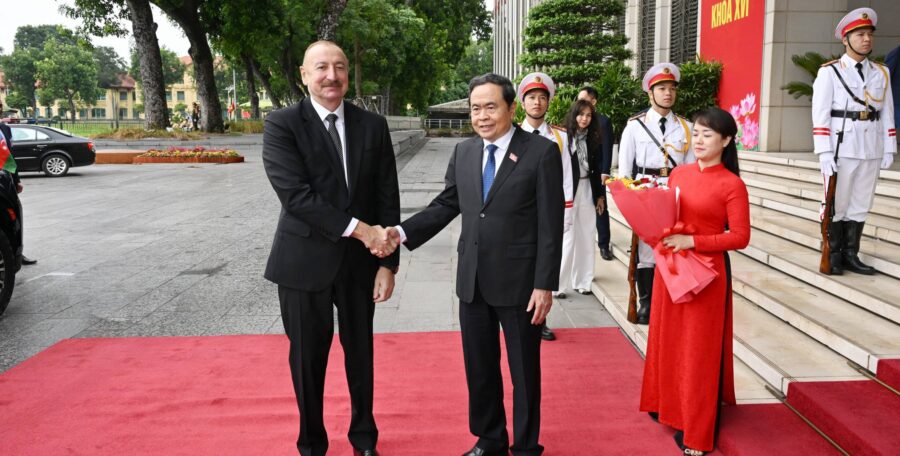
President Ilham Aliyev is on an official visit to Vietnam. The head of state’s visit is noteworthy at the present juncture.
The president’s visit to Vietnam is not accidental. It is taking place at the invitation of official Hanoi. To Lam, General Secretary of the Central Committee of the Communist Party of Vietnam, invited President Ilham Aliyev to visit his country during his trip to Azerbaijan on 7 May 2025. The current official visit, running from 19 to 21 November, is the realisation of that very invitation.
Although Azerbaijan and Vietnam are geographically far apart, they have deep-rooted and cordial relations in historical terms. The foundation of friendly relations between the two countries was laid back in the 1950s. The 1959 visit of Vietnam’s historic leader Ho Chi Minh to Baku was an important stage in the development of ties between the two peoples. During that visit, Azerbaijan’s rich experience in the oil industry drew the interest of the Vietnamese side. In the following years, Azerbaijani specialists took part in developing Vietnam’s oil and gas industry, while thousands of young Vietnamese studied in Azerbaijan and mastered various professions.
Baku-Hanoi relations
The national leader Heydar Aliyev played a special role in the development of these relations. In 1983, Heydar Aliyev, then first deputy chairman of the USSR Council of Ministers, led a delegation on an official visit to Vietnam. The eight-day visit covered various regions of the country, from Hanoi to Ho Chi Minh City. Economic, scientific, technical and cultural cooperation was discussed during the visit. Heydar Aliyev’s visit to the Pha Lai Thermal Power Plant and the attention paid to the development of Vietnam’s energy potential are concrete examples of the cooperation of that period.
This tradition of friendship was continued after Azerbaijan restored its independence. Diplomatic relations between the two countries were established on 23 September 1992. President Ilham Aliyev’s state visit to Vietnam in 2014 and the visit of To Lam, General Secretary of the Central Committee of the Communist Party of Vietnam, to Azerbaijan in 2025 marked new stages in the development of relations. In particular, the signing in 2025 of a Joint Statement on the establishment of a strategic partnership between the two countries formalised the transformation of historic friendship into modern political and economic cooperation.
I believe that President Ilham Aliyev’s visit to Vietnam is significant in terms of consolidating with concrete projects the relations that rose to the level of strategic partnership in 2025. The representation at the visit of officials responsible for the economy, energy, defence, transport and other sectors also shows that a broad cooperation agenda exists.
Economic ties
Trade turnover between the two countries exceeded 150 million dollars in 2025. Nevertheless, given the economic potential, the opportunities to increase this figure are quite broad. Vietnam’s production and export capacity, and Azerbaijan’s energy resources and favourable transit position, create new areas of economic cooperation between the parties. The interest of Vietnamese companies in construction, infrastructure and renewable energy projects in Azerbaijan is also noteworthy in this regard.
Energy is one of the traditional pillars of the relations. The contributions of Azerbaijani specialists to the development of Vietnam’s oil industry in the Soviet era continue today through SOCAR–PetroVietnam cooperation. A memorandum signed in 2025 provides for expanding ties in the development of oil and gas fields, technical services and the training of specialists. Alongside this, there are also prospects for cooperation in green energy.
Transport and logistics are also an important area. Azerbaijan’s capabilities along the Middle Corridor and the North-South routes could create an alternative route for delivering Vietnamese goods to European markets. The sixfold increase in Vietnam-related transit cargo carried through Azerbaijan’s territory in the first nine months of 2026, to more than 8,000 tonnes, shows that the potential in this area is beginning to be realised.
On the political plane, the parties are brought together by a shared approach to the principles of sovereignty and territorial integrity, as well as by cooperation on international platforms. The traditions formed over decades in humanitarian ties, education and culture also constitute a solid foundation for the relations.
In conclusion, the main goal of the visit is to turn historic friendship and political trust into broader economic cooperation. The real result of the strategic partnership will be measured by increased trade, the implementation of investment projects and the expansion of transport and energy ties.

Turan Rzayev
Globalinfo.az political writer
Read also