The World Health Organization (WHO) has issued an urgent appeal to the international community ahead of World Antimicrobial Resistance Awareness Week, observed from 18 to 24 November. The organisation said that if no action is taken, 39 million people could die over the next 25 years as bacteria become increasingly resistant to antibiotics.
What is this threat? What should we pay attention to?
Globalinfo.az was told by nephrologist Elnur Farajov that the WHO’s appeal aims to draw attention to one of the most serious health problems facing humanity:
“Antimicrobial resistance means that some bacterial infections we once treated easily with antibiotics no longer respond to those medicines. As a result, treating an ordinary infection becomes more difficult, hospital stays are prolonged, and the risk of complications and death increases. Resistance to antibiotics develops in bacteria, not in the human body. In other words, it is not the person who becomes accustomed to the antibiotic, but the bacteria.”
According to the nephrologist, the problem is not limited to infectious diseases:
“Many areas of modern medicine, including surgery, cancer treatment, intensive care and organ transplantation, depend on the availability of effective antibiotics. For example, patients who have undergone kidney transplants are given drugs that suppress the immune system. In such patients, infections caused by antibiotic-resistant bacteria can pose a particularly serious threat.”

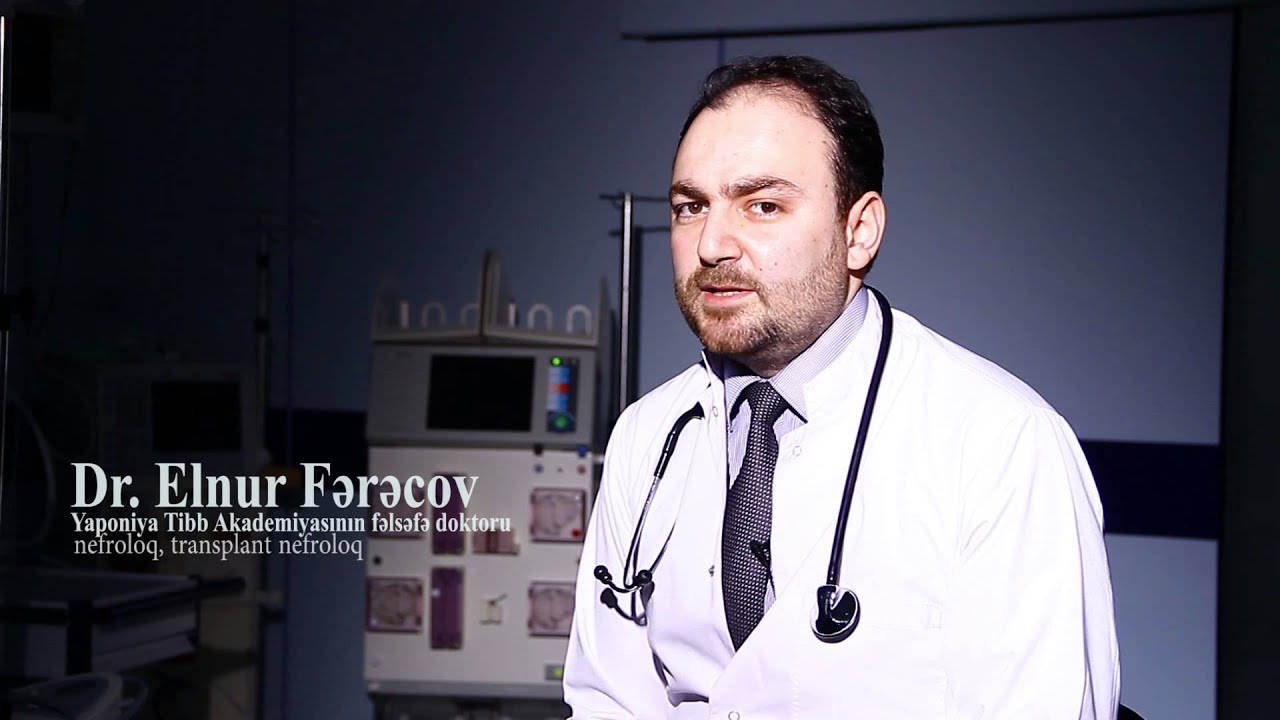
Farajov believes that the forecast of 39 million deaths does not mean that all of these people will inevitably die:
“This is a scientific model-based forecast of deaths that could be directly linked to antibiotic-resistant bacterial infections over the next 25 years if current trends continue. So what should we do to prevent this threat? First of all, we must learn to use antibiotics correctly. Unfortunately, people sometimes take antibiotics even for the common cold, flu and other viral infections. However, antibiotics do not work against viruses. Antibiotics should be used only when genuinely needed, on a doctor’s prescription, at the correct dose and for the appropriate duration.”
Elnur Farajov said another important issue is strengthening infection control in hospitals:
“Before prescribing antibiotics, bacteriological tests and antibiotic susceptibility testing should be carried out where possible. According to WHO data for 2026, antibiotic resistance is observed in approximately one in every six laboratory-confirmed bacterial infections worldwide. This shows that the threat is already real.”
Antibiotics are among the greatest achievements of modern medicine. However, if we do not use them properly, we may risk losing the effectiveness of these medicines for future generations.”
Zaira Akifgizi
Globalinfo.az
Read also