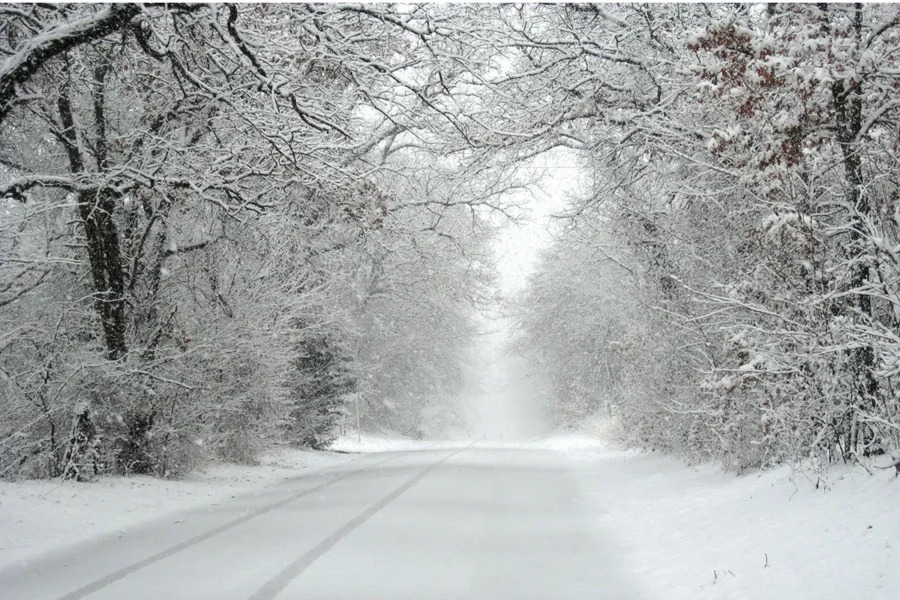
“The impact of the El Nino climate phenomenon does not guarantee that this winter in Russia will be much warmer than normal. On the contrary, some atmospheric processes could cause severe frosts in individual regions of the country.”
Globalinfo.az reports that Darya Gushchina, a professor at the Department of Meteorology and Climatology of the Faculty of Geography at Moscow State University, made the remarks.
According to the expert, there is a statistical link between El Nino and mild winter conditions in Eurasia. However, other atmospheric processes may weaken this effect and even cause temperatures to fall in some areas.
Gushchina cited sudden stratospheric warming (SSW) recorded in November as one of the possible effects of the current El Nino period. She said the process could create conditions for the formation of blocking anticyclones. As a result, severe frosts could occur, particularly in Western and Eastern Siberia. The specialist did not rule out a recurrence of such an atmospheric phenomenon in Russia this winter.
In addition, forecasts by some North American meteorological models indicate that negative temperature anomalies may be recorded in Russia in December. Thus, the combination of several atmospheric factors may weaken the warming effect of El Nino.
The climatologist attributed this autumn’s relatively warm weather not to El Nino but to the prolonged dominance of blocking anticyclones. In her view, at least 50 years of statistical data are needed to confirm El Nino’s role in the mild autumn. However, the available indicators do not confirm a clear link between the two phenomena.
El Nino is a climate phenomenon accompanied by periodic rises in sea surface temperatures in the equatorial Pacific Ocean. The process can contribute to rising global temperatures and to more frequent floods, droughts and other extreme weather events in different parts of the world.
Safura Banniyeva
Globalinfo.az