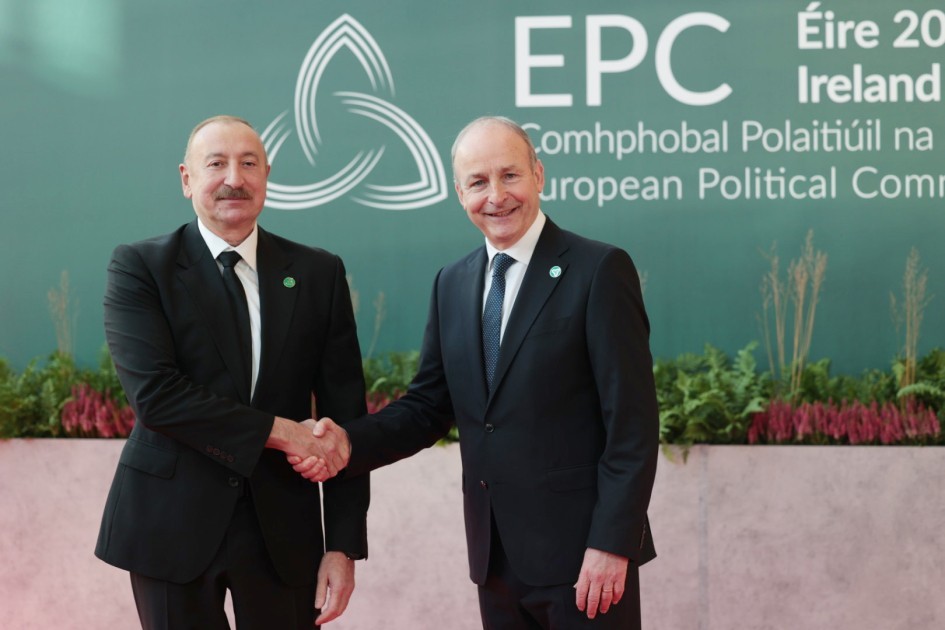
President Ilham Aliyev’s participation in the 9th Summit of the European Political Community (EPC) held in Dublin, the capital of Ireland, on November 12 is of great importance for strengthening Azerbaijan’s positions in Europe’s political, economic and security architecture. The results of the summit show that Azerbaijan is no longer merely an energy supplier and transit country for Europe, but an important partner in regional stability, strategic connectivity and multilateral diplomacy.
Held under the motto “Europe – strong, secure and connected”, the meeting’s agenda was dominated by energy security, economic competitiveness, innovation, transport connectivity and regional security. The official information of the Council of the European Union also identified these areas as priorities for the continent’s future resilience. The large-scale projects Azerbaijan has already implemented in these fields turned the Dublin summit into a platform of special political significance for Baku.
Azerbaijan’s growing diplomatic influence and a new stage in relations with Europe
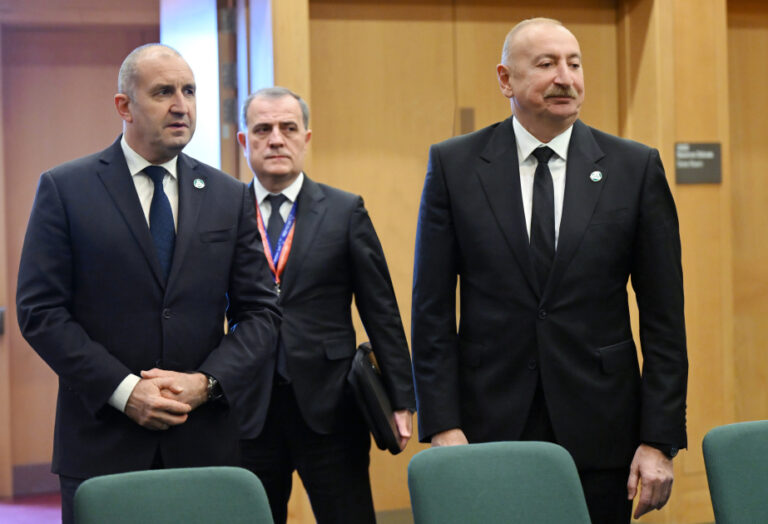
President Ilham Aliyev’s numerous high-level meetings within the framework of the Dublin summit are a practical manifestation of the growth of Azerbaijan’s international political weight. Contacts with Ukrainian President Volodymyr Zelensky, Moldovan President Maia Sandu, Armenian Prime Minister Nikol Pashinyan, Bulgarian Prime Minister Rumen Radev, Greek Prime Minister Kyriakos Mitsotakis, Czech Prime Minister Andrej Babiš, Romanian President Nicușor Dan, Lithuanian President Gitanas Nausėda, President of the European Council António Costa and British Prime Minister Andy Burnham demonstrate the broad geography of Azerbaijan’s relations with European states.
An important feature of this diplomatic activity is that the contacts are not merely protocol in nature, but are based on concrete political and economic interests. European states approach relations with Azerbaijan through the prism of energy supply, regional security, the diversification of transport networks and new investment opportunities.
The high-level meetings President Ilham Aliyev has held in Davos, Munich and other international platforms also show that this process is of a sustained nature. The fact that a number of contacts were organised at the initiative of the other side can be assessed as an indicator of Baku’s diplomatic capabilities and of growing interest in direct dialogue with the Azerbaijani leadership.
Over the past two years, the intensive contacts with Azerbaijan of EU High Representative Kaja Kallas, Enlargement Commissioner Marta Kos, President of the EU Council António Costa and other high-ranking representatives of the European Commission demonstrate the development of relations at the institutional level.
In Dublin, António Costa’s invitation to President Ilham Aliyev to visit the European Union is a concrete indicator of the importance attached to continuing this dialogue.
The exchange of the Joint Declaration on Strategic Partnership with the United Kingdom within the framework of the summit is a separate political outcome. The fact that relations based on more than thirty years of energy cooperation also cover areas such as artificial intelligence, high technologies, renewable energy and investment shows that Azerbaijan’s partnership model has expanded qualitatively.
Energy security and transport corridors: the foundations of Azerbaijan’s geoeconomic strength
The agenda of the Dublin summit directly resonates with the strategic advantages that determine Azerbaijan’s international significance. Particularly against the backdrop of Europe’s efforts to diversify its energy sources and supply routes, Azerbaijan comes to the fore as a reliable and long-term partner.
According to the data President Ilham Aliyev announced at the round table held within the framework of the summit, Azerbaijan has increased gas supplies to the European Union from 8 billion cubic metres to 13 billion cubic metres a year since 2022. Currently, our country supplies natural gas to 10 EU member states. The head of state also specifically emphasised the importance of expanding the transmission capacity of the Southern Gas Corridor.
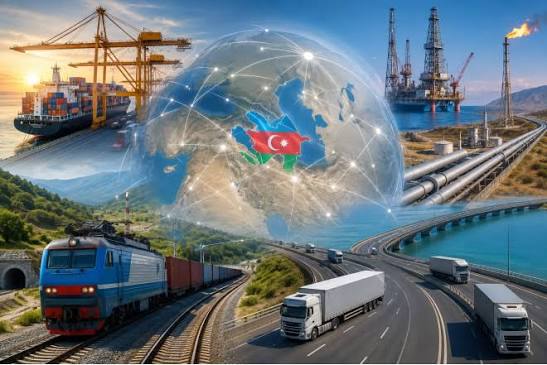
These figures show that the Azerbaijan-EU energy partnership has moved from the strategic memorandum signed in 2022 to concrete results. At the same time, along with new production projects, infrastructure investments, long-term contracts and financing mechanisms are also of decisive importance for future growth.
Azerbaijan’s advantage is not limited to traditional energy resources alone. The Caspian’s wind energy potential, solar power plants, green energy corridors with Central Asia and the project for an electric cable along the bottom of the Black Sea could turn the country into a participant in Europe’s future energy transformation.
At the same time, the Middle Corridor, the East-West and North-South routes strengthen Azerbaijan’s role in the Eurasian transport system. The development of these routes means not only an increase in transit revenues, but also the consolidation of the country’s position in international trade chains.
The discussion at the Dublin meeting with António Costa of the assessment of the Nakhchivan railway project, the development of the Middle Corridor and the export of renewable energy to the European market shows that Azerbaijan’s strategic projects already occupy a place on the concrete cooperation agenda of European institutions.
Peace and security in the South Caucasus: the political results of regional initiatives
One of the important directions of Azerbaijan’s participation within the framework of the European Political Community is the presentation at the international level of the new geopolitical realities taking shape in the South Caucasus. President Ilham Aliyev’s participation in the summits held in Prague in 2022, in Moldova in 2023, in the United Kingdom in 2024 and in Tirana and Copenhagen in 2025 is an indicator of consistent diplomatic activity in this direction.
The essence of this process is that, after ensuring its territorial integrity and sovereignty, Azerbaijan directed the main focus of the regional agenda towards peace, economic integration and the restoration of communication links.
The meeting between President Ilham Aliyev and Armenian Prime Minister Nikol Pashinyan at the Dublin summit demonstrates the continuity of this policy. The leaders discussed the peace process on the basis of the agreements reached in Washington on 8 August 2025, the delimitation of borders, economic and trade relations, as well as the railway and road components of the TRIPP project.
According to official information, the volume of cargo transported from Azerbaijan to Armenia has reached 105 thousand tonnes. Cooperation on the interconnection of electricity grids and the management of transboundary water resources was also among the important directions of the negotiations.
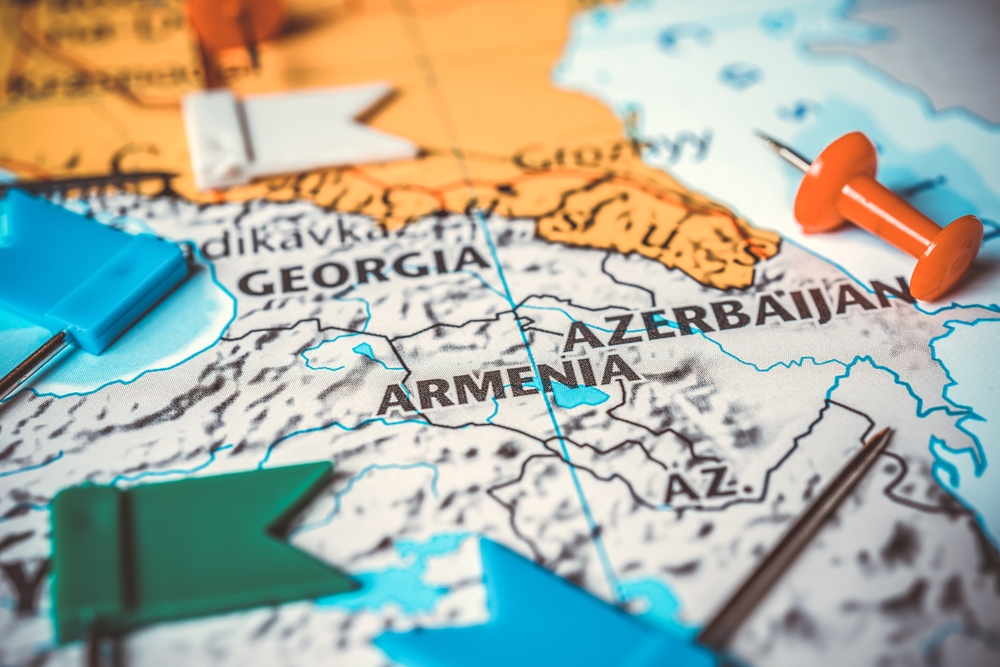
This point is of particular importance: Azerbaijan demonstrates that peace in the region can be sustainable not only through political agreements, but also through the formation of economic mutual interests.
The realisation of TRIPP and other connectivity projects could create opportunities for expanding transport links between the main part of Azerbaijan and Nakhchivan, for the development of regional trade and for a closer integration of the South Caucasus into international transit networks.
At the same time, Azerbaijan’s humanitarian aid to Ukraine and its contribution to the energy security of Moldova and Bulgaria show that Baku approaches the concept of regional security not only from military-political, but also from economic and humanitarian dimensions.
The fact that the European Political Community is based on equal dialogue among states creates an additional advantage for Azerbaijan in conveying its national interests directly to European leaders without depending on intermediaries.
Baku-2028: a strategic stage in Azerbaijan’s multilateral diplomacy
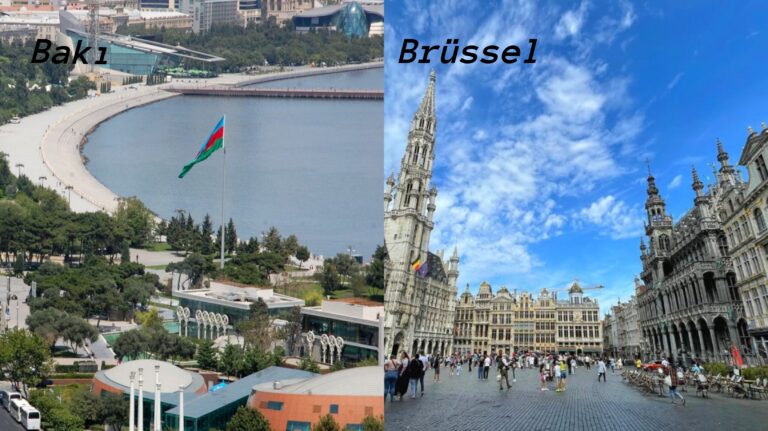
Azerbaijan’s hosting of the Summit of the European Political Community in May 2028 is one of the important results of the strengthening of the country’s international diplomatic position.
President Ilham Aliyev, joining the 8th summit held in Yerevan on May 4 by video link, announced that Azerbaijan’s proposal to host the event in 2028 had been accepted. The head of state noted that Armenia also supported Azerbaijan’s candidacy and assessed this as an indicator of the formation of peace in the region.
The significance of the Baku summit is not limited to hosting a prestigious international event. This meeting will give Azerbaijan the opportunity to play a more active role in the discussion of Europe’s political and security agenda, to form new economic partnerships and to present its regional initiatives at a high level.
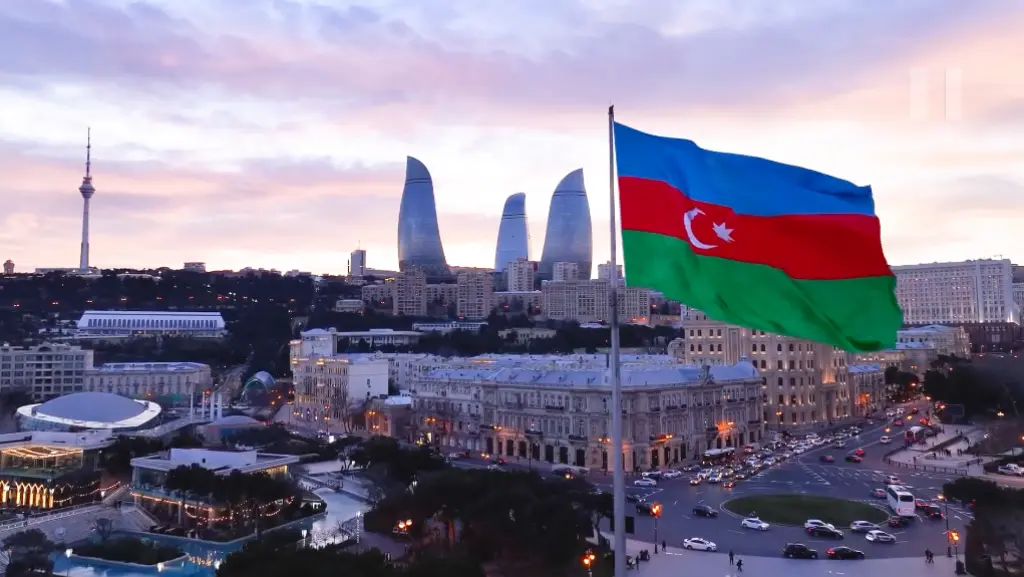
One of Azerbaijan’s advantages is that its foreign policy is not limited to the European direction alone. Relations developing with Central Asian states, the Organization of Turkic States, the Islamic world and the CIS space strengthen Baku’s role as a connector between various geopolitical and economic spaces.
This multi-vector diplomacy widens Azerbaijan’s room for manoeuvre in international relations, limits the country’s dependence on individual power centres and creates conditions for building partnerships based on national interests.
The gathering of European leaders in Baku in 2028 will also be the next demonstration of the international hosting experience and diplomatic capabilities Azerbaijan has gained in recent years.
The main strategic outcome of the Dublin summit is that the transition to a new qualitative stage in Azerbaijan’s relations with Europe has become clearer. The independent and multi-vector foreign policy pursued under President Ilham Aliyev has turned Azerbaijan into an important participant in energy security, Eurasian transport links and the peace process in the South Caucasus. For Baku, the main advantage is that these opportunities serve the protection of national interests, the strengthening of economic potential and the increase of the country’s political weight in international decision-making processes.
APA
Read also