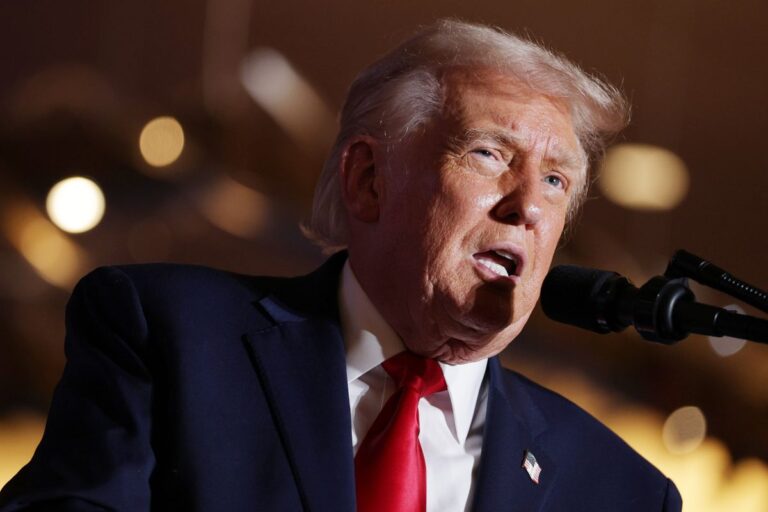
US President Donald Trump has said the conflict with Iran is over and that Washington has won. He said he does not want to launch new military strikes on Iran in the future.
Stressing that the US intends to achieve a complete victory, Trump said it will take Iran many years to restore its destroyed infrastructure.
Do these statements by Trump on Iran signal a possible softening of Washington’s policy toward Tehran, or are they another message of pressure on Iran? To what extent does the US desire to achieve a complete victory over Iran increase the risk of a renewed military confrontation in the region?
Speaking to Globalinfo.az, MP Elchin Mirzabeyli said that Donald Trump’s latest statements on Iran contain two points that at first glance appear contradictory:
“On the one hand, he says the US has won the war and that there is no need for new military operations; on the other hand, he stresses that Washington intends to achieve a complete victory. His statement that Iran will need 25 years to restore its destroyed infrastructure is no coincidence either. In essence, while demonstrating the results of the military operations, this is a message that the long-term strategy of pressure on Tehran will continue.
I believe that this change in Trump’s rhetoric should not be assessed as the US retreating from its Iran policy. At the current stage, Washington is taking into account the additional political, economic and geopolitical costs that continuing military operations could entail. In particular, the impact on world energy markets of the situation in the Strait of Hormuz, the efforts of regional countries to end the war, and growing anti-war discontent within the US are factors limiting the White House’s room for manoeuvre. At the same time, the maintenance of the military blockade and the keeping of forces ready for new operations show that this is not about halting the policy of pressure.
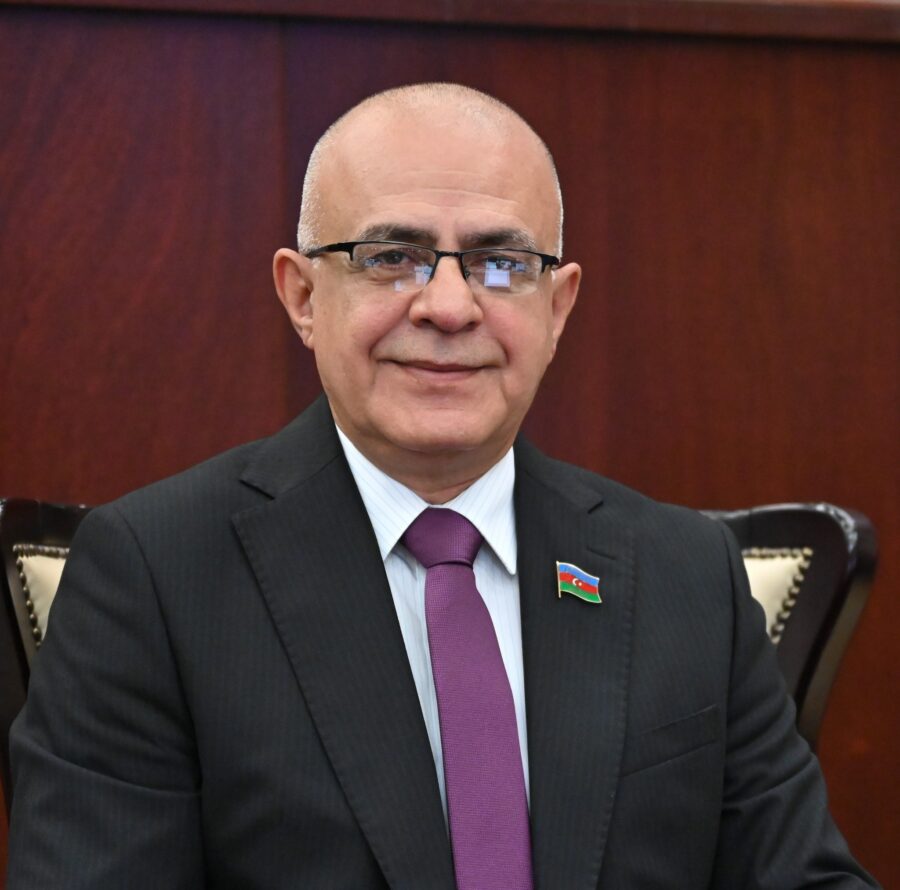
Elchin Mirzabeyli
On the other hand, the US claim to achieve a complete victory over Iran itself creates quite serious risks. Because an attempt to determine the political outcome of a war through the use of military force could strengthen the opposing side’s will to resist and narrow the room for diplomatic compromise. An approach aimed at completely neutralising Iran’s state and security institutions, its military potential and its regional influence creates the ground for new confrontations. In such a situation, the possibility that any local incident could turn into a wider-scale military escalation cannot be ruled out.
One point should also be taken into account here: gaining military superiority does not yet mean winning a political victory. It is possible to inflict serious damage on a state’s military infrastructure and to limit its capacity to resist, but this does not mean that the country’s political will and its ability to influence regional processes automatically disappear.
In my opinion, although Trump’s statements indicate the existence of a certain political will toward ending the war, they give no grounds for saying that the US’s strategic goals regarding Iran have changed. It looks more like Washington, while reducing the intensity of military operations, is trying to consolidate the advantage it has gained through economic, political and diplomatic pressure.”
Turan Rzayev
Globalinfo.az
Read also