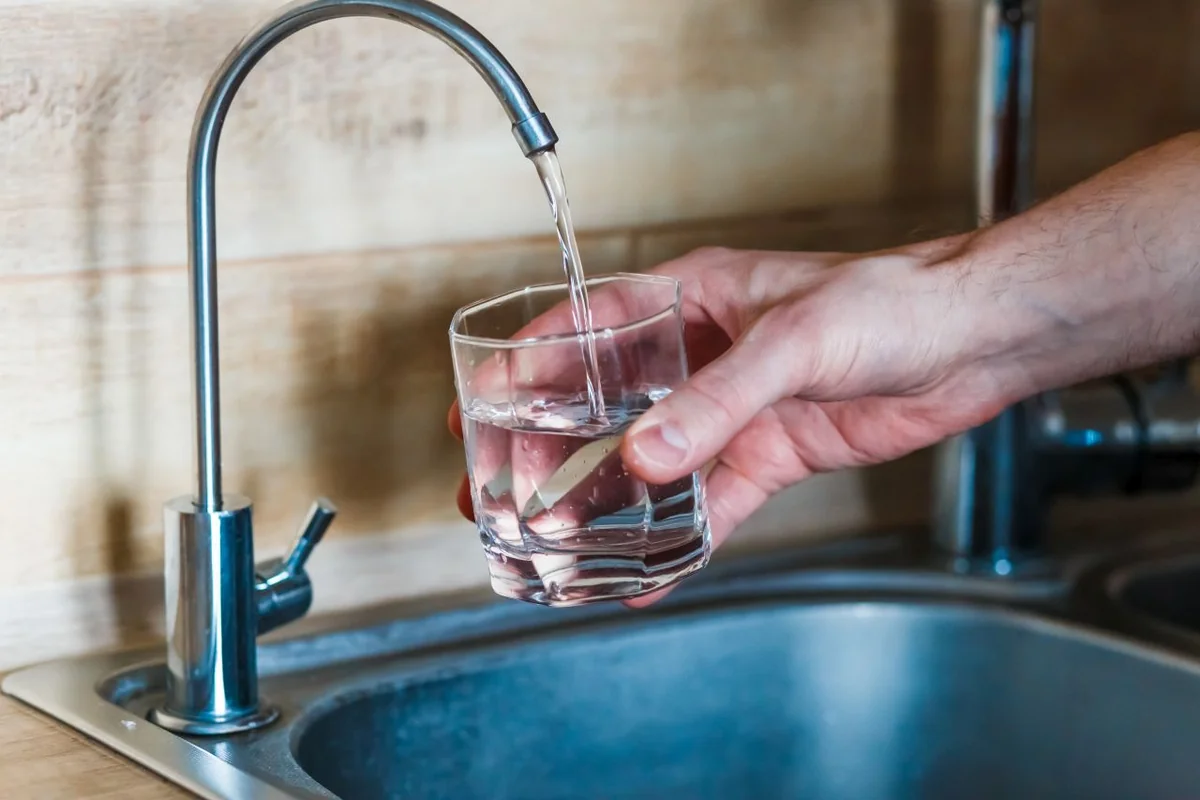
In the city of Tokat in northern Turkey, around 5,000 residents have sought treatment at local hospitals over the past three days with complaints of nausea, stomach pain and diarrhea. Experts have taken drinking water samples and sent them to Ankara to determine the source of the complaints. Against the backdrop of this incident, claims are also being made on the local segment of social media in Azerbaijan about water quality and the health problems that can result from using contaminated water.
What dangers can contaminated drinking water pose? How is water quality monitored in Azerbaijan?
Speaking to Globalinfo.az, ecologist Jamshid Bakhtiyar said that water being clear, colorless and odorless does not mean it is clean and safe:
“It is incorrect to determine whether water is fit for drinking based on its appearance, taste and smell. This is because water may contain microorganisms and chemical substances invisible to the eye that pose a threat to human health. Bacteria such as Escherichia coli (E.coli) can enter water through sewage, animal waste and contaminated soil. Certain viruses that cause hepatitis and acute intestinal infections, as well as parasites such as giardia, are spread through water, leading to various diseases. In addition, water may contain heavy metals such as lead, arsenic and mercury, as well as nitrates, nitrites, pesticides and other chemical substances. These contaminants can enter water from natural sources, agriculture, industrial waste and sewage leaks. High concentrations of nitrates and nitrites in particular pose a danger to infants and young children. Excessive levels of certain minerals and salts in water, as well as naturally occurring substances such as fluoride and arsenic, also pose health risks.”
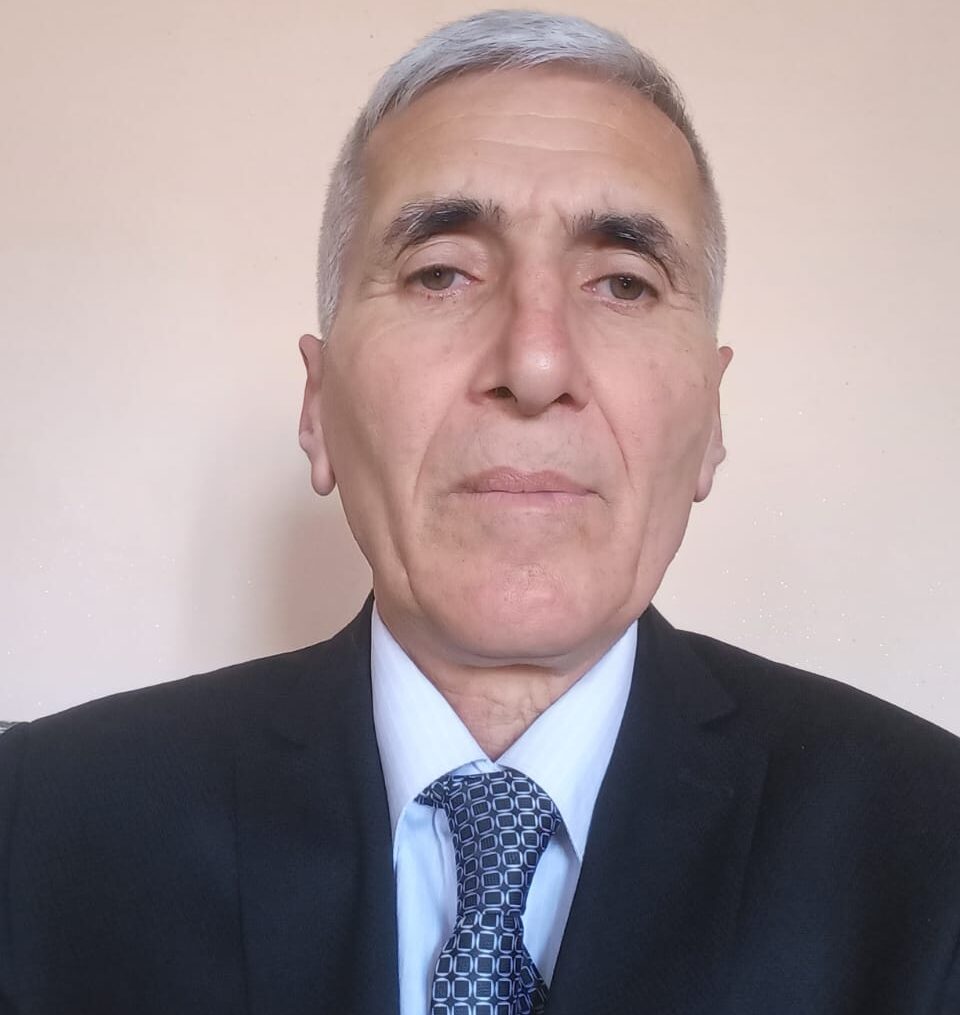
Jamshid Bakhtiyar
The ecologist noted that spring, well and tap water each carry their own contamination risks:

“Even cold, clear spring water flowing down from the mountains cannot be considered completely safe. Livestock grazing upstream of the spring, the presence of homes and sewage systems, as well as heavy rains, can cause microbiological contamination of the water. In some areas, the passage of water through underground geological layers also affects its composition. Well water can also become contaminated if the well is not properly built, if its cover and walls are damaged, or if there are sources of wastewater nearby. Wells located near riverbanks are particularly at risk of wastewater seeping in from various sources. For this reason, whether well water is fit for drinking must be determined through laboratory analysis.
Tap water, which is treated and disinfected in centralized water supply systems, is generally intended for drinking. However, malfunctions in the water supply system, pipe corrosion, accidents and old pipes in homes can degrade water quality and cause harmful substances such as lead to enter it.”
The expert noted that water safety cannot be ensured based on appearance alone:
“The quality of the water being used must be checked through official laboratory analysis and assessed based on expert opinion. Boiling water helps destroy most disease-causing bacteria, viruses and other microorganisms it contains. However, this method does not rid water of all hazards. Boiling does not remove heavy metals, nitrates, pesticides and many other chemical pollutants from water. On the contrary, as part of the water evaporates, the concentration of some dissolved substances may increase. Therefore, boiling water does not guarantee that it is safe to drink in all cases.”
Leman Imran
Globalinfo.az
Həmçinin oxuyun