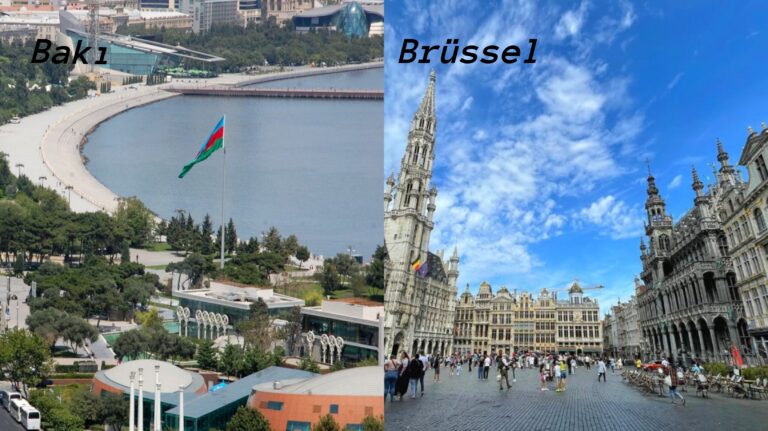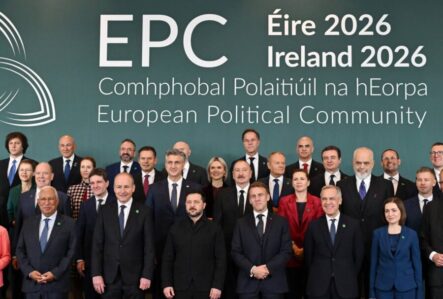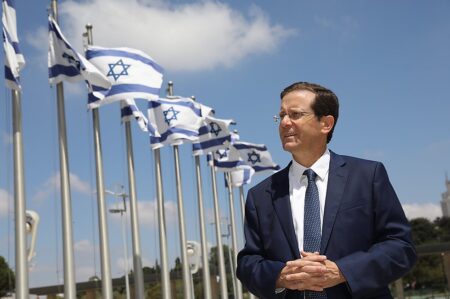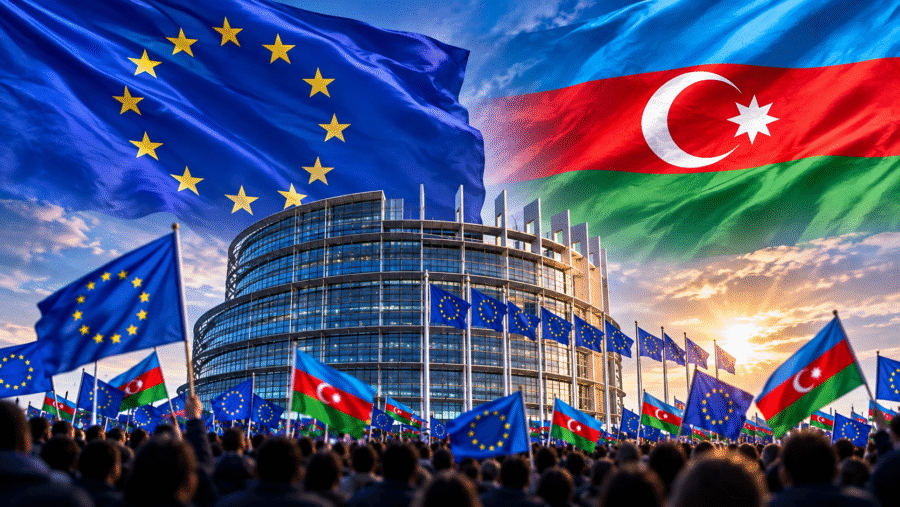
Hikmet Hajiyev, Assistant to the President of Azerbaijan and Head of the Foreign Policy Affairs Department of the Presidential Administration, has met with senior officials of the Council of the European Union.
What positive developments could we see in Azerbaijan-European Union relations? More broadly, what changes could these ties bring to the lives of Azerbaijani citizens in areas such as visas, education and the economy?
Globalinfo.az was told by Shabnam Hasanova, PhD in political science and political analyst, that it would not be right to assess the development of Azerbaijan-European Union relations solely by the intensity of diplomatic meetings:
“First of all, it should be noted that these relations could manifest themselves in several areas. These include political relations and the signing of new partnership agreements, visa issues and new opportunities that could arise for Azerbaijani citizens, changes in education, new prospects for students and young people, the creation of new jobs, investment and the development of the business sector, cooperation in energy and transport, as well as security and regional stability.
The increase in the number of meetings held in recent days shows that efforts are being made to adapt cooperation to geopolitical and geoeconomic realities. If the goal is results-oriented work, this could primarily expand investment opportunities for European companies in Azerbaijan. The implementation of new economic projects could be accompanied by job creation, which would mean increased business ties and export opportunities. The integration of all these factors into technology and innovation could, alongside expanded cooperation, pave the way for the application of modern methods and approaches.
Undoubtedly, when discussing the visa regime, the first issue is the further simplification of procedures for reviewing visa applications. This could be beneficial in terms of expanding opportunities for students, researchers, businesspeople and people working in various sectors. Certain difficulties exist in the documentation and application process. Addressing these difficulties through the introduction of digital services would both increase transparency and prevent delays.
As for a visa-free regime, this is undoubtedly an issue that requires real steps by both sides. In other words, it involves both a political and legal process. I believe it is far too early to expect any steps towards visa abolition at the current stage.”
The political analyst said that dual-degree programmes between Azerbaijani and European universities could be further intensified in the field of education:
“This could also be reflected in the expansion of scholarship programmes. Conducting research based on modern technologies would undoubtedly lead to the training of qualified personnel in line with labour market requirements.
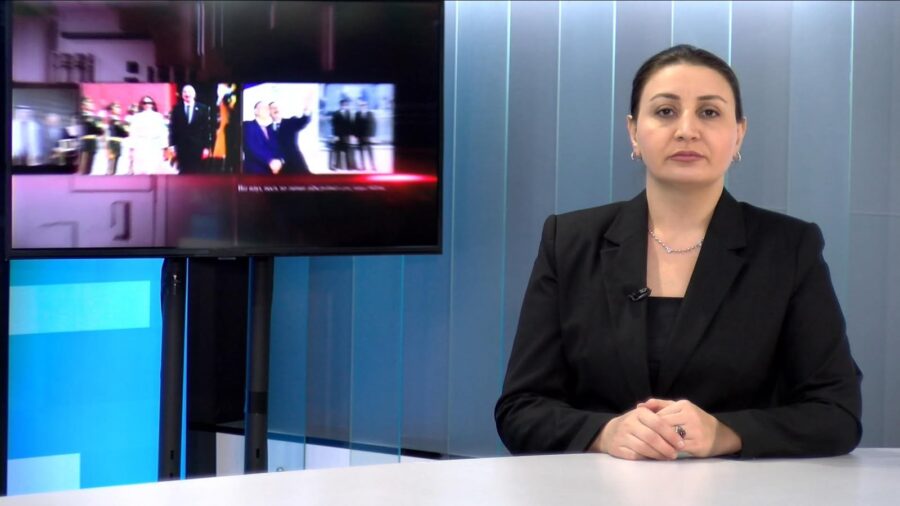
Shabnam Hasanova
Opportunities could expand for European companies to invest in production, logistics, agriculture and services in Azerbaijan. This could also create new prospects for the development of small and medium-sized enterprises. Expanding partnership ties and increasing export opportunities are, I believe, in the interests of both sides. The opening of new production facilities would undoubtedly mean the creation of skilled jobs.
The energy sector is the most important strategic area of our relations. Azerbaijan is not viewed merely as an energy supplier. Our country is also an important partner in developing transport and economic links between Europe and Central Asia. The Southern Gas Corridor, the Middle Corridor, green energy and the Black Sea submarine power cable are different areas of our relations. The prospect of delivering Central Asia’s green energy to European markets promises broad opportunities for the parties.”
Hasanova noted that security and regional stability should not be overlooked either:
“Because cooperation between Azerbaijan and the European Union is not limited to economic interests. It concerns cybersecurity, the joint fight against digital threats, humanitarian mine-clearance activities, security issues in the context of regional conflicts, as well as the joint fight against terrorism and transnational organised crime.
From this perspective, Azerbaijan is not merely an energy partner for Europe. In shaping its relations with Europe, Azerbaijan openly and resolutely asserts its national interests and the principles of its independent foreign policy. This means that we safeguard our political and economic priorities while cooperating with international partners.
The future success of relations between Baku and Brussels, I believe, will depend more on moving to a practical stage than on political statements and meetings. If this happens, real changes could occur in Baku-Brussels relations.”
Turan Rzayev
Globalinfo.az
Read also