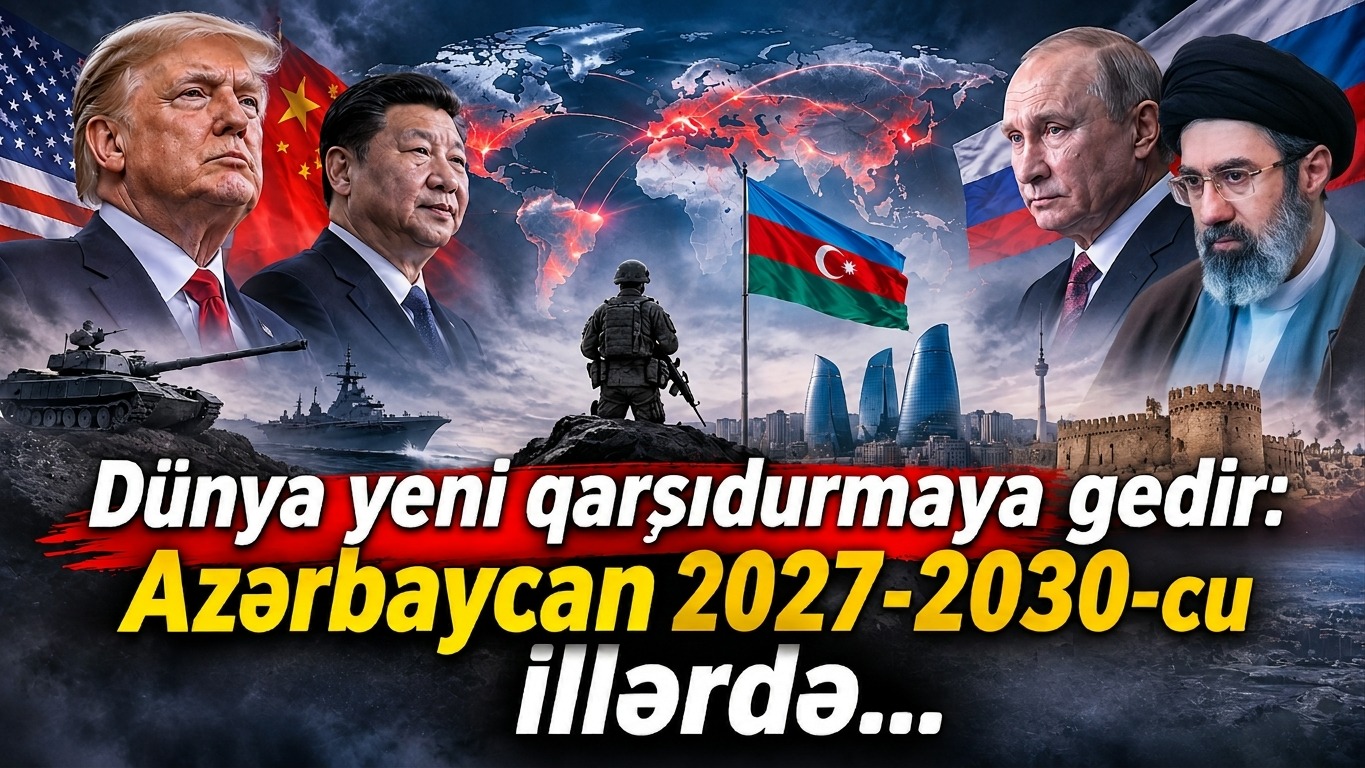
“As of 2026, world politics is going through a period in which competition between great powers is intensifying, traditional alliance relations are being reassessed and regional security crises have a direct impact on the global economic system. Economic and technological competition between the US and China, the Russia-Ukraine war, conflicts in the Middle East, security issues related to Iran and political processes in Europe are the main factors shaping the future of the international system.”
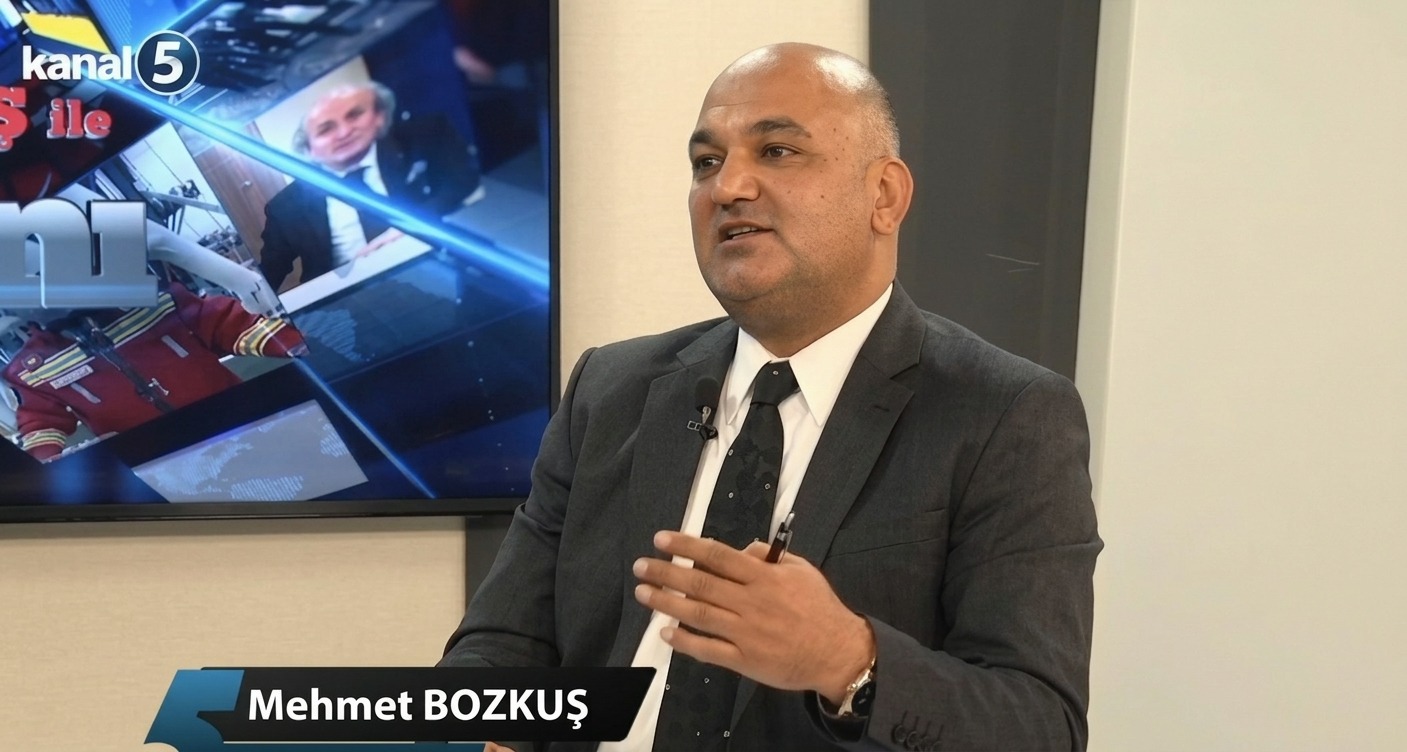
These words were spoken to Globalinfo.az by Turkish strategist and political commentator Dr. Mehmet Bozkuş.
The expert said that the common feature of these processes is that the global power struggle is not waged by military means alone. According to him, energy resources, financial systems, the most critical technologies, transport corridors, information infrastructures and public opinion are becoming increasingly important in strategic competition between states.
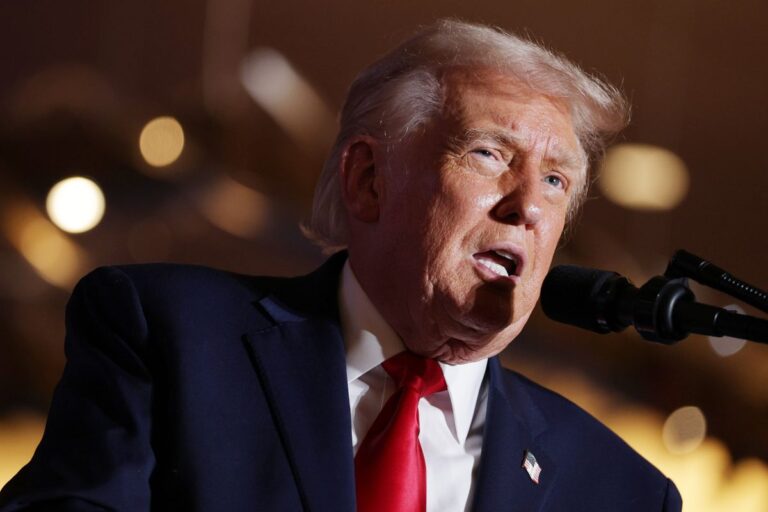
The political commentator said that the midterm elections in the US are a significant event that could affect Washington’s domestic political balance and its foreign policy decision-making process:
“The distribution of power in Congress could affect defence budgets, foreign aid, sanctions policies and the scope of the executive branch’s activity. However, it would not be correct to think that election results in the US will directly and automatically bring about a change in South Caucasus policy. Washington’s regional approach is shaped by broader strategic priorities linked to the security of Russia, Iran, China and Europe.
Political processes in Israel, in turn, are one of the important factors affecting the security architecture of the Middle East. Israel’s policy toward Iran, Gaza, Lebanon and Syria could affect regional stability as well as energy markets and international diplomacy.”
Bozkuş noted that the possibility of the tension between Iran and the US and Israel turning into a large-scale military conflict creates significant security risks for the South Caucasus:
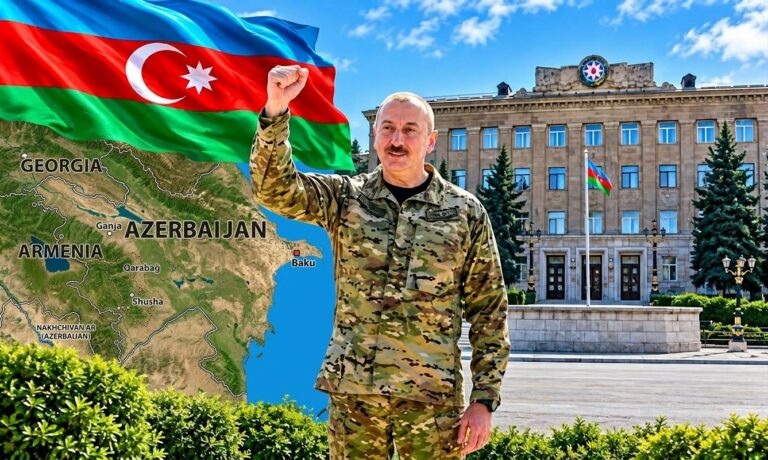
“Military escalation around Iran could affect Azerbaijan’s border security, energy and transport links in the Caspian basin, the investment climate and international trade costs. In this process, Azerbaijan’s strategic priority is to avoid becoming a direct party to regional conflicts while protecting national security, to continue security cooperation with Turkey and to maintain balance in diplomatic relations with various power centres.
The emergence of new security partnerships and alliances in the Middle East is also important in terms of the balance of forces in Eurasia. In addition, the development of defence, energy and economic cooperation between Turkey, the Gulf countries and South Asian countries is a trend that could affect the future of strategic relations in Eurasia.”
The political scientist said that political protests in Europe, economic problems, migration debates and disputes over defence spending are affecting the European Union’s foreign policy priorities:
“Europe’s need to diversify its energy supply increases the strategic importance of the Caspian basin. Azerbaijan’s energy reserves and the energy links running through Turkey to Europe have major geoeconomic significance in this context.
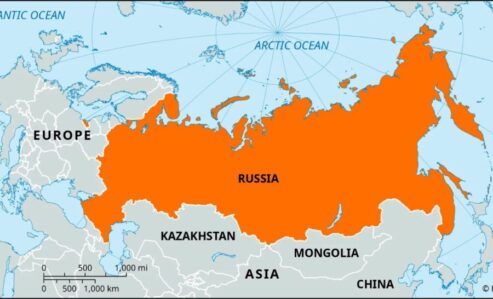
The future of the Russia-Ukraine war is also one of the determining factors for the South Caucasus. Freezing the war through a ceasefire or halting military operations for a long period could change Russia’s regional diplomatic priorities. Such a development could allow Moscow to again allocate more diplomatic resources to the South Caucasus. However, a halt to military operations does not mean that all the problems in the European security architecture will be eliminated.”
Bozkuş said that in the future Azerbaijan’s success in foreign policy will depend on its ability to correctly assess competition between great powers, protect its national interests and diversify its economic dependencies:
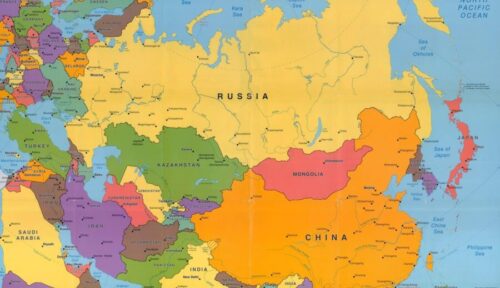
“In 2027-2030, the future of the South Caucasus will be shaped by the course of the peace process between Azerbaijan and Armenia, Turkey’s regional influence, Russia’s strategic position, Iran’s security policy and the geoeconomic competition between the US and China for Eurasia.
Despite progress in the peace process in certain areas, the continuation of political mistrust could lead to managed regional competition. In such circumstances, it will be important for Azerbaijan to pursue multi-vector diplomacy, diversify its economic relations and carefully manage security risks. Tension in the field of regional security could lead to higher defence and transport costs and a more fragile investment climate. Therefore, Azerbaijan must strengthen diplomatic stability and increase its economic resilience while maintaining its military deterrence.”
Gülnar Səlimova
Globalinfo.az
Istanbul
Read also