“After the Iraqi government resolved its confrontation with Kataib Hezbollah in Babylon through a mutual agreement, there is now activity in two main directions.”
Globalinfo.az reports that political analyst Kenan Rovshanoglu made the remarks.
The analyst said the Iraqi government first announced that the borders would henceforth be protected not by the army but by border service forces (border police):
“At the same time, the army will leave major cities and will be deployed mainly on city outskirts and in barracks. This will allow the police and security service to ensure stability, while the army will have time for training.
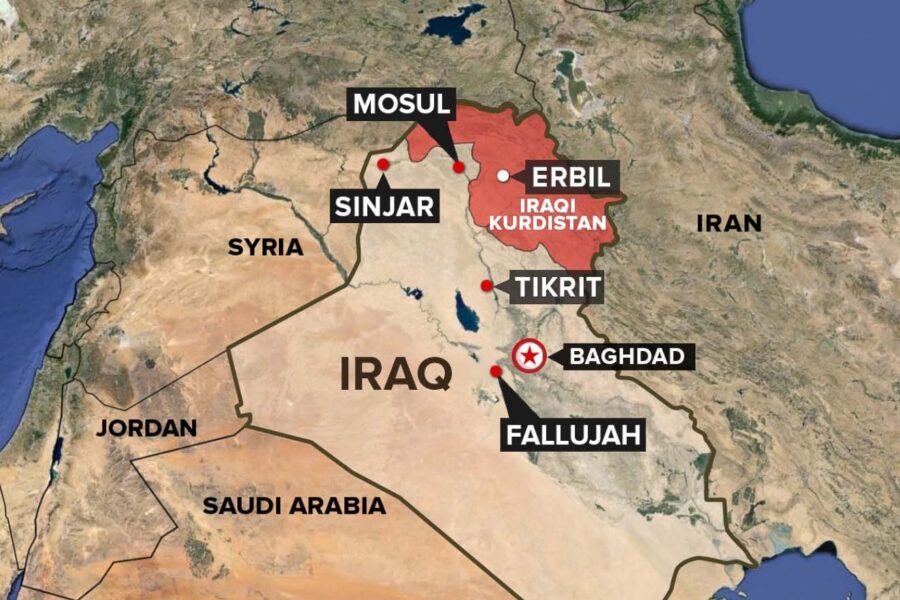
Second, border protection in the Kurdistan autonomous region will be transferred to the relevant institutions of the Iraqi state. In other words, the border will be guarded by Iraq’s central government, with no forces from the Kurdistan autonomous region present.
But this was not all: the head of Iraq’s border crossings authority was dismissed, along with the Kirkuk operations commander, the Kirkuk police chief and the commander of the energy police brigade.
Iraq began transporting its oil through Turkey after a 12-year hiatus. Moreover, it is currently transported through Syrian territory to the port of Baniyas, while a pipeline is being built through Jordan.
But more importantly, the Development Road project will begin operating in 2028. By then, Iraq’s central government wants to weaken Kurdish influence over the territory and, most importantly, prevent oil theft. Iraq’s central government says more than $300 billion in oil revenue has been stolen over the past more than 10 years. Of course, mainly by the Kurdistan autonomous region, meaning the Barzani family. Baghdad is now using this issue to pressure Erbil, strengthening its control over oil sales and the territory.
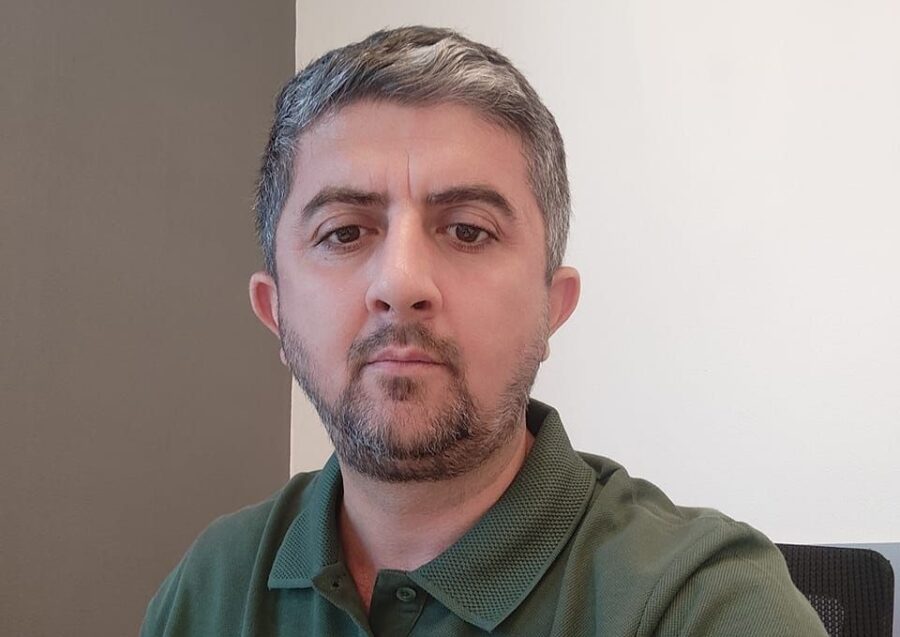
Kenan Rovshanoglu
US Ambassador and representative for Iraq Tom Barrack, as in Syria, supported the Kurdish operation in Iraq.
One aspect of this operation is to strengthen the Iraqi state and turn it into one of the main centres of power in the region.
Prime Minister Ali Zeydi is seeking to use the situation to show that the operation against armed groups is not one-sided — that is, not directed only against Shiite armed groups — but also targets other groups, and that its aim is to strengthen Iraq’s central authority.
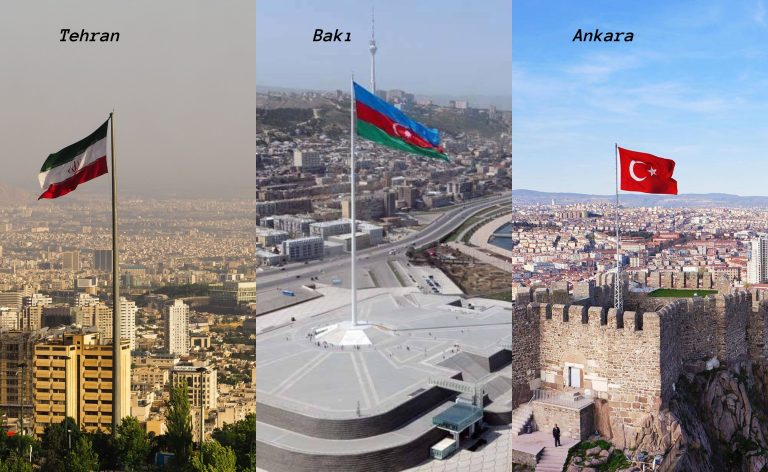
It is interesting to see what Turkey’s response will be. Ankara cooperates with the Barzanis. However, it should not be forgotten that when Masoud Barzani held an independence referendum in 2017, Iran and Turkey joined forces to support Iraq’s use of military force against the Kurds.
Incidentally, last week the Talabani family, the second main military-political force in the Kurdistan autonomous region, turned against the Barzanis and effectively divided the autonomous region. This, in a sense, strengthens Baghdad’s hand.
But what is more interesting is that the Talabanis were considered close to Iran. However, it appears that the system of relations there has now changed.”
Turan Rzayev
Globalinfo.az
Read also