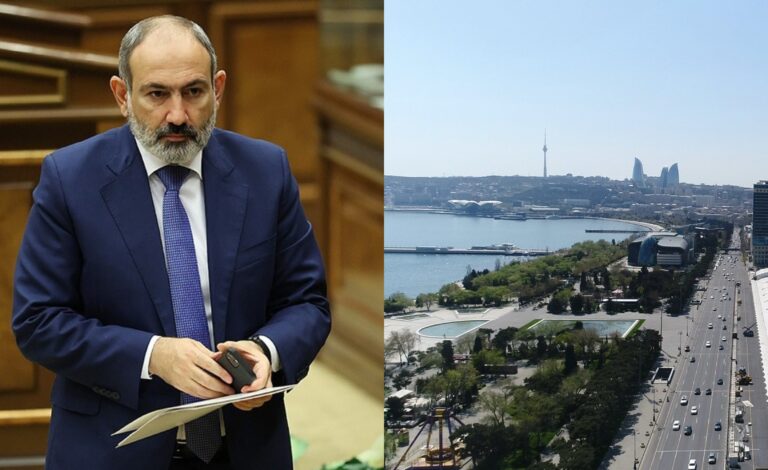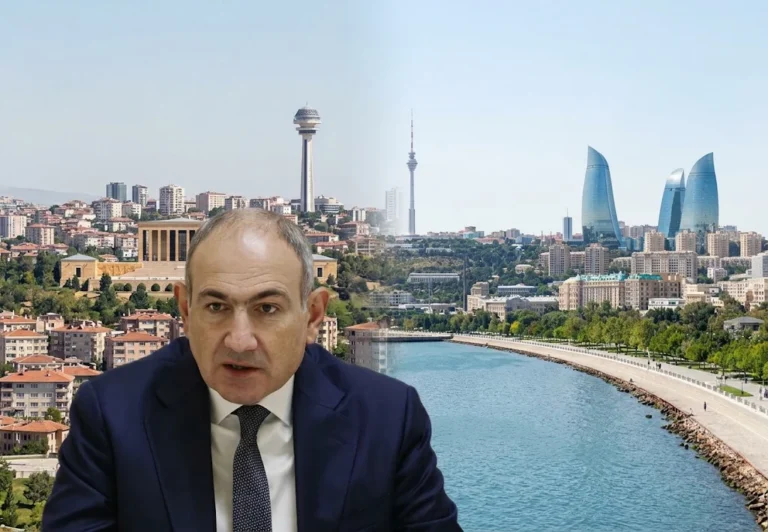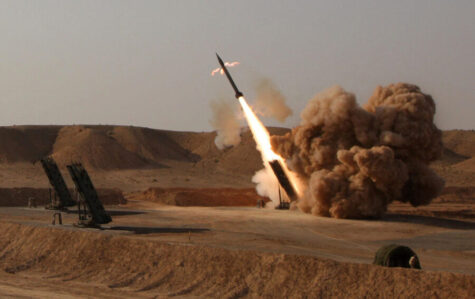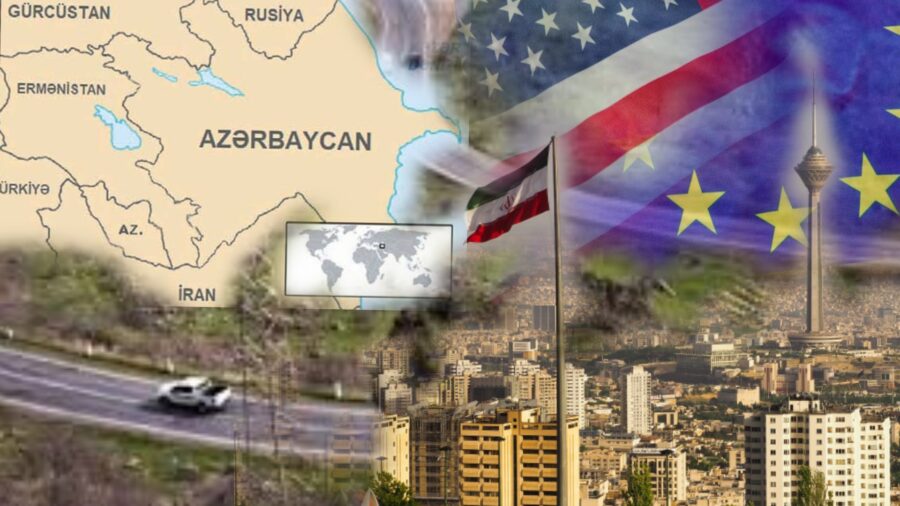
Discussions on opening the Zangezur corridor have intensified again. Iran opposes the process. Some claims suggest that Armenia will delay the opening of the corridor at Russia’s request.
At the same time, Armenia’s opposition is expected to oppose the new draft Constitution, meaning that the changes may not take place. Overall, the current situation gives the impression that the signing of a peace treaty between Azerbaijan and Armenia still does not appear realistic. The main reason cited is the limited ability of the Armenian authorities to amend the Constitution.
How should these developments be interpreted? Where is the situation in the region heading?
Speaking to Globalinfo.az, political analyst Ayten Gurbanova said that the new geopolitical realities emerging in the South Caucasus are intensifying competition for political and economic influence in the region:
“From this perspective, the creation of a transport link in the Zangezur direction is not only about restoring communications between Azerbaijan and Armenia, but also a strategic issue affecting the regional balance of power. Iran’s ‘concerns’, Russia’s attempt to preserve its positions and Armenia’s domestic political problems add to the complexity of this process. For Azerbaijan, the Zangezur link primarily means ensuring unhindered transport communication between the main part of the country and Nakhchivan, expanding direct connectivity with Türkiye and increasing the potential of the Middle Corridor. Therefore, the project is of particular importance in terms of Azerbaijan’s long-term national and economic interests.
Iran’s position is mainly related to regional security and the geopolitical balance. Iran is closely monitoring the expansion of US influence in the region. Its main concern is linked less to the creation of the transport link than to the route’s management and security mechanisms. Russia, meanwhile, may view Armenia’s rapprochement with the West and US involvement in the TRIPP project as a challenge to its traditional influence in the region.

Ayten Gurbanova
Undoubtedly, one of the main political and legal obstacles to the peace process concerns Armenia’s Constitution. According to Azerbaijan’s position, the reference to the Declaration of Independence in the Constitution’s preamble and the territorial claims reflected in that document conflict with future peace relations. Armenian Prime Minister Nikol Pashinyan’s presentation of a new draft Constitution may be regarded as a step towards resolving this issue. However, the adoption of the draft depends on Armenia’s domestic political situation. The ruling party’s lack of the required two-thirds majority and opposition resistance make holding a referendum difficult. Thus, the constitutional issue has become one of the main subjects of both Armenia’s foreign policy course and domestic political struggle. However, it would be wrong to regard the current difficulties as a halt to the peace process. The initialling of the text of the peace treaty shows that the negotiations have reached a certain stage. However, for the document to be signed, Armenia must fulfil the political and legal commitments it has undertaken.
The opening of transport communications and the signing of a peace treaty are interconnected processes, but they require separate mechanisms. Thus, the current competition in the South Caucasus can be described as a struggle to influence the region’s future political and economic model. Iran is seeking to advance its security interests, Russia its traditional influence, and the United States to expand its participation in economic and transport cooperation. Azerbaijan’s main goal is to ensure a reliable transport link with Nakhchivan and achieve the normalisation of relations with Armenia on the basis of international law. Ultimately, the Zangezur issue is of strategic importance for strengthening Azerbaijan’s regional positions and shaping a new model of cooperation in the South Caucasus. Lasting peace depends not on political statements, but on the elimination of territorial claims, respect for states’ sovereignty and the genuine implementation of mutual commitments.”
Turan Rzayev
Globalinfo.az
Read also