“Russia’s leadership continues to state that Europe needs a new security architecture. In response, the European Union says that the North Atlantic Treaty Organization (NATO) is the sole framework for its security and that this system is functioning successfully. European politicians have so far rejected Russia’s demands. However, it is impossible to ignore or avoid discussing the issue of a new security architecture for Europe. This is because the situation has changed significantly from year to year.”
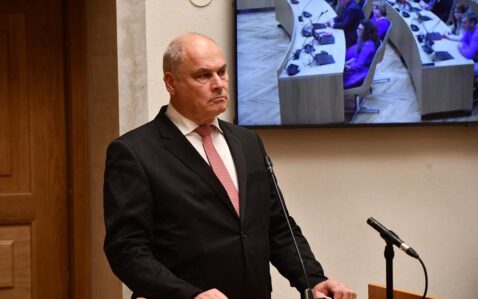
Globalinfo.az reports that this was stated by Artak Zakaryan, a member of the executive body of the Republican Party of Armenia.
He noted that the issue of creating a new security system in Europe is linked more to the United States’ position than to Russia’s wishes:
“Over approximately 80 years, regardless of whether the US president was a Democrat or a Republican, Washington has given unconditional support to NATO. Now, however, that support has become one of the main issues in US domestic political disputes.
Europeans can no longer rely on the United States, even after President Donald Trump leaves office. No one can guarantee that the next president will not also view NATO with scepticism. Given this situation and Russia’s demands, Europe will sooner or later have to form a new security system that is as independent from the United States as possible. In my view, several fundamental provisions will be of particular importance for such a system.”
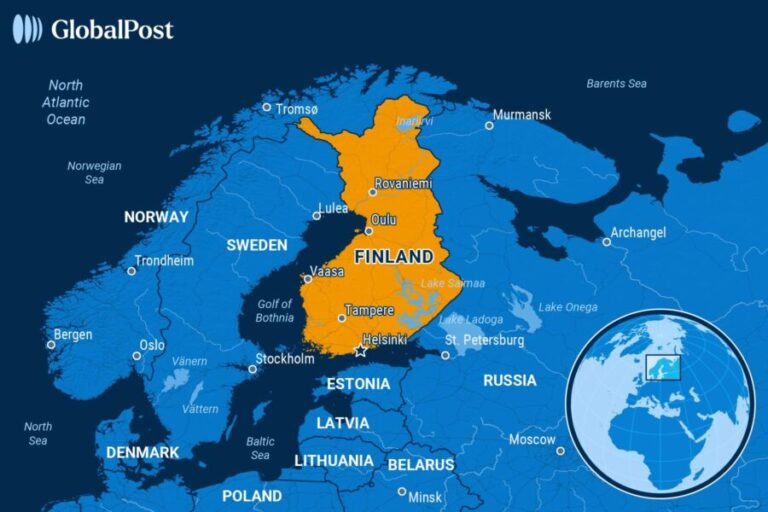
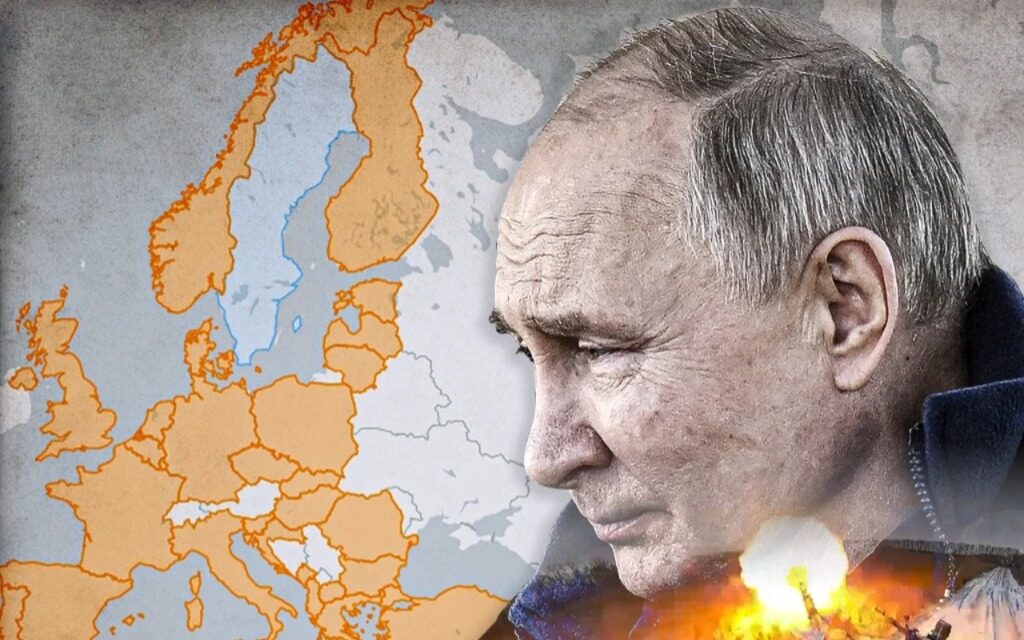
Zakaryan said the first point is the creation of a unified defence line stretching from northern Europe (conditionally, from Norway) to the Black Sea:
“Clearly, it is more expedient to fight along a single front rather than on several fronts. A unified defence line, together with a European strategy of conducting war on different fronts at the same time, could significantly limit the capabilities and defence potential of its adversary. I do not rule out that Europe’s new security architecture will be based precisely on this principle in the future.
The second provision, contrary to Russia’s demand, will be Europe’s attempt to include Ukraine in its new security architecture. Despite being militarily exhausted and suffering major losses, Ukraine currently has the most battle-experienced army in the European region. In addition, Ukraine has an established military-industrial complex, which is now of strategic importance for Europe.
For Europe’s security, it is important both to reduce military-technological dependence on the United States and to develop its own production capabilities. Ukraine can make a significant contribution in this regard. Moreover, Ukraine’s geographical position is such that it can pose a threat to Russia at any time.”
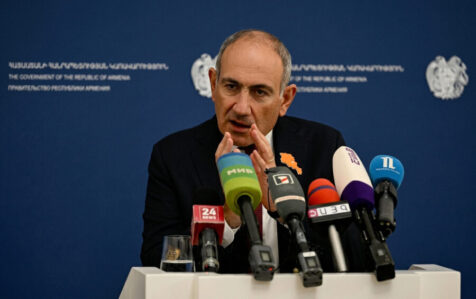
The Armenian politician said that the third important issue in Europe’s new security architecture is leadership:
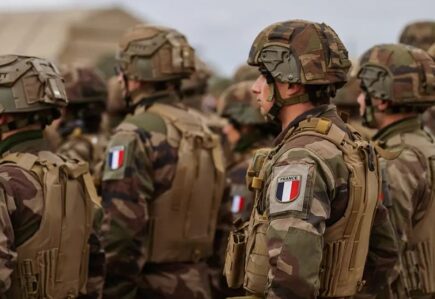
“At first glance, it appears that after the Americans, the major powers – the United Kingdom, France and Germany – will assume the leadership role in Europe’s security sphere. However, because they are geographically far from Russia, these countries will not take security threats as seriously as Eastern European states do.
This does not mean that these countries will refuse to support their eastern neighbours. Nevertheless, I believe that leadership in shaping the new security architecture will shift eastward.
The Scandinavian countries, the Baltic states, as well as Poland and Ukraine, will play the leading role. Geographically, these countries are located on the front line of Europe’s defence front. Therefore, they will gain the right to guide other countries or at least demand certain steps from them.
In addition, the combined population of these countries exceeds 100 million, while their overall economic potential has significant indicators compared with countries in the Eurasian region.
Of course, Russia clearly understands these threats. It understands these issues even better than many European politicians. Clearly, once the war in Ukraine ends, Europeans and Ukrainians will immediately begin cooperating to create a pan-European security system. This is precisely why official Moscow demands that NATO return to its 1997 borders and that Ukraine stay away from the idea of joining the alliance.”
Artuk added that regardless of the extent to which Russia accepts this system, the creation of a new security architecture in Europe is becoming inevitable:
“Clearly, there will be no place for Armenia in either the old or the new security system. We do not have many options for a new security mechanism. We must begin thinking now about restoring the security environment that existed and functioned before 2018, and reassessing military-political commitments.”
Aliyar Khalil
Globalinfo.az
Read also