India’s Foreign Minister Subrahmanyam Jaishankar has visited Azerbaijan. During the visit he first met President Ilham Aliyev and then Azerbaijani Foreign Minister Jeyhun Bayramov.
India is one of the few countries whose relations with Azerbaijan have never been truly warm and where serious differences exist. There are main reasons for this.
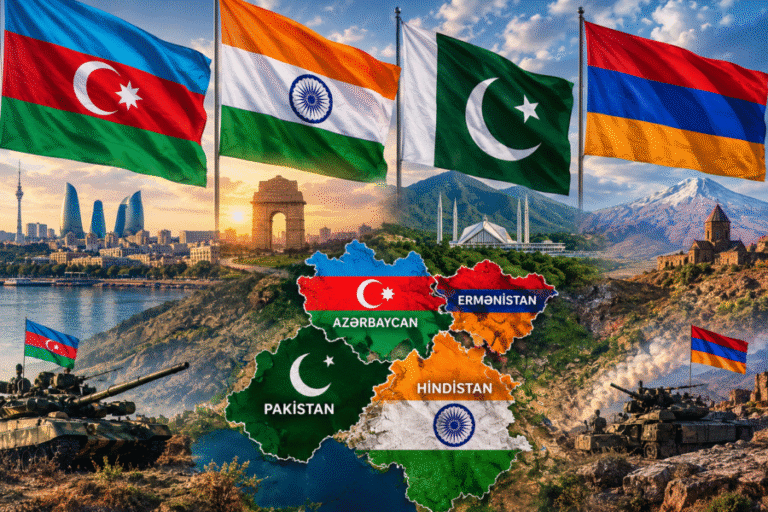
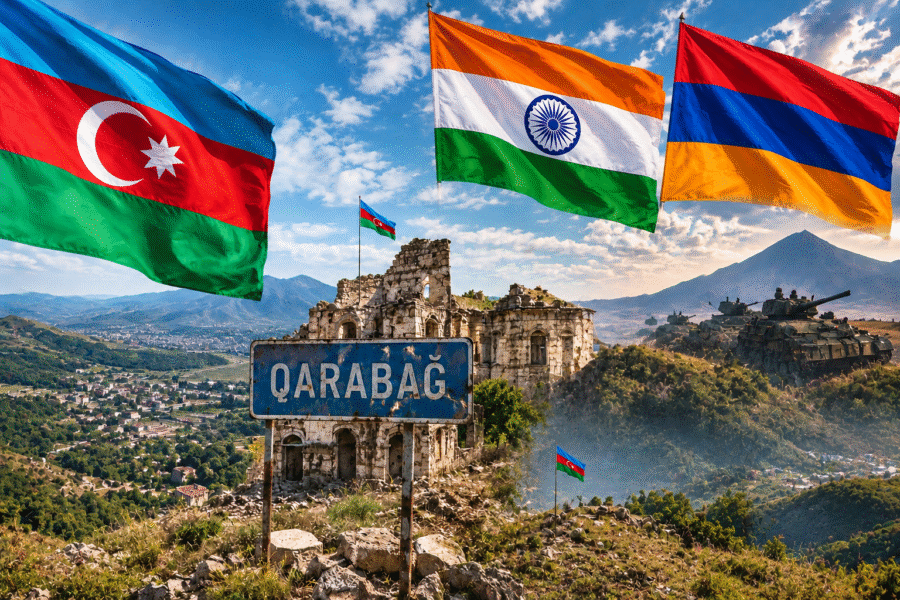
First, India is one of Armenia’s main arms suppliers, both during the occupation period and now. Official Baku has always regarded this as a threat to its security and regional interests.
Second, Azerbaijan has a strategic partnership and allied relations with Pakistan, one of India’s main rivals. Official Baku has repeatedly expressed support for Pakistan’s position on the Kashmir conflict. These factors have been among the main reasons holding back the development of relations between Baku and Delhi.
However, over the past 30 years, and especially over the last six years, much has changed in the region and in the system of international relations. Azerbaijan has liberated its lands from occupation, a peace agenda has taken shape in the South Caucasus, and constructive negotiations are under way to normalise relations with Armenia. In addition, official Baku plays the role of an important transit hub on both the North-South and the East-West transport corridors. At the same time, Azerbaijan has in recent years managed to attract the attention of global powers with its energy policy. In other words, the growth of Baku’s international political weight has not escaped Delhi’s attention either.
It is no coincidence that Azerbaijani Foreign Minister Jeyhun Bayramov, at a press briefing in Baku with his Indian counterpart Subrahmanyam Jaishankar, specifically stressed the existence of differences between the two countries.
Bayramov said: “In recent years there have been differences of opinion between the two countries on a number of issues. This inevitably affected both bilateral relations and issues of international cooperation. Today we discussed all these issues in a very open and detailed manner. I believe this will create a foundation for the development of bilateral relations.”
It is important that Bayramov specifically noted this point. It shows that Azerbaijan has not forgotten the previous differences but is ready to open a new page in relations. In my view, one of the most successful aspects of Azerbaijan’s foreign policy is precisely this: Baku is always able to pursue an open-door policy for cooperation and partnership. While protecting its national interests, our country also considers opportunities for mutually beneficial cooperation.
A new stage in relations
India is a state with great economic and political potential. Keeping relations with such a country tense does not serve Baku’s interests. At the same time, although Azerbaijan is a relatively small country for India in terms of territory and population, it is a state with a certain weight in international politics, broad transit opportunities and energy potential. The overlap of the two countries’ interests in certain areas in recent years makes cooperation both necessary and real.
It is no coincidence that India and Azerbaijan have agreed to expand investment cooperation in other areas as well as in the oil industry and energy. The talks discussed the development of bilateral ties with particular attention to trade, investment and energy.
Indian companies have long been operating in Azerbaijan. In this regard, new investment by these companies in our country and their participation in the reconstruction and construction process in Azerbaijan’s territories liberated from occupation could be useful for Baku. Of course, the scale of this cooperation will depend on specific investment decisions and the mutual interests of the parties.
One of the notable moments of the visit was Indian Foreign Minister Subrahmanyam Jaishankar’s invitation to Jeyhun Bayramov to visit India. It is not excluded that the Azerbaijani foreign minister will accept this invitation. After all, contacts and the development of relations with a country as large as India cannot be concluded with a single meeting. On the contrary, this visit can be the beginning of discussing the existing differences between the two countries, building mutual trust and identifying new areas of cooperation.
Turan Rzayev
Political writer for Globalinfo.az
Read also