Hasan Oktay, head of the Caucasus Strategic Studies Center (KAFKASSAM) and a Turkish political analyst, made an interesting remark in a statement to Globalinfo.az. He claimed that official Baku’s stance regarding amendments to Armenia’s constitution contradicts Turkey’s call for unconditional peace. He believes that another underlying factor in recent tensions within Azerbaijan–Turkey relations, initiated by Israel, stems from disagreements between Turkey and Azerbaijan on the trilateral peace issue.
Globalinfo.az sought the views of Turkish experts regarding these claims. Speaking to our website, Turkish international relations expert İsmail Cingöz stated that there is no fundamental disagreement between Turkey and Azerbaijan regarding peace with Armenia:
“Both countries attach importance to removing references to territorial claims in Armenia’s constitutional documents. Armenian allegations regarding the events of 1915 are also a significant sensitivity for Turkey. Ankara is conducting the normalization process with Armenia in coordination with Baku and linking it to the Azerbaijan-Armenia peace process. Therefore, there is no concrete evidence supporting claims that a strategic disagreement exists between Turkey and Azerbaijan, or that Israel is using this to influence relations. Furthermore, rivalry among regional actors should not be confused with the shared strategic interests of the two countries.”
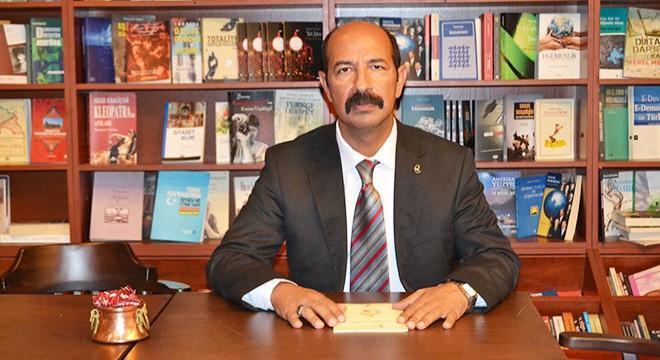
İsmail Cingöz
Retired Turkish Rear Admiral Prof. Dr. Cihat Yaycı also stated that he disagreed with the view that Turkey and Azerbaijan hold conflicting positions in the peace process.
According to him, Turkey’s support for peace does not mean disregarding fraternal Azerbaijan’s justified concerns regarding its sovereignty and territorial integrity:
“My view on this matter is not new. I stated this years ago: a lasting peace treaty cannot be reached without resolving the issues within the constitutional framework that form the basis of Armenia’s territorial claims against Turkey and Azerbaijan. I also stated clearly that the concept of ‘Greater Armenia‘ referencing the Declaration of Independence in the preamble of the constitution must be abandoned, and the depiction of Mount Ağrı, which lies within the sovereign borders of the Republic of Turkey, must be removed from Armenia’s state coat of arms. I maintain this position today.
Armenia must also cease using ‘genocide’ claims as a tool of political pressure and hostility against Turkey. Research on historical matters should be conducted through archives, documents, and scholarly studies. The mindset that constantly turns the past into an instrument for creating enmity must be abandoned.”
The expert stated that peace requires unequivocal respect for the borders, sovereignty, and territorial integrity of neighbors:
“This will must be reflected in constitutional arrangements, state symbols, and official discourse. Legal guarantees must be established to prevent a treaty signed today from being reopened for negotiation tomorrow by another administration.
Pashinyan’s parliamentary support and the political balance within his country may affect how and when constitutional amendments are implemented. However, domestic political difficulties do not eliminate the legitimate concerns of neighbouring states. The responsibility to take the steps required for peace lies with the government of Armenia.
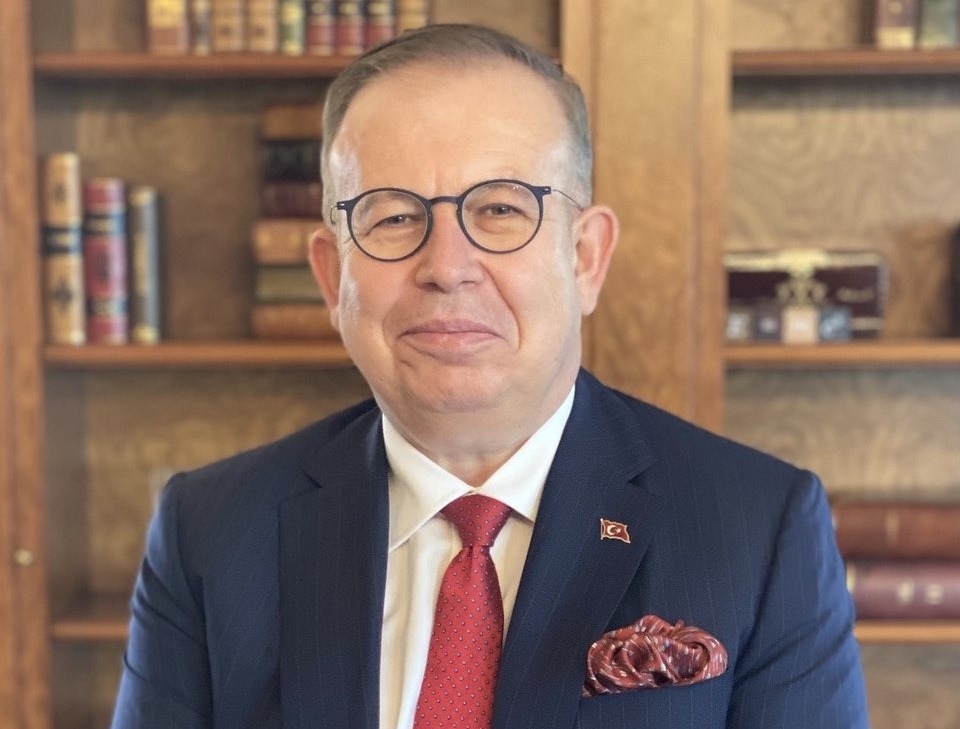
Cihat Yaycı
I believe that Turkey shares this fundamental sensitivity with fraternal Azerbaijan. Therefore, I do not consider it right to present Turkey’s call for peace as a position opposed to Baku’s demand for constitutional amendments. Supporting peace and demanding the guarantees that will ensure lasting peace are complementary.”
Yaycı noted that concrete evidence is required when making claims that Israel or any other actor is causing tension in Turkish-Azerbaijani relations:
“Likewise, one cannot conclude that a strategic disagreement exists between Ankara and Baku based on differences between the ‘3+3’ format and other diplomatic initiatives. I do not think it is right to define the brotherhood between Turkey and Azerbaijan through the lens of third countries. We are one nation, two states. Our shared will, solidified by the Shusha Declaration, is also a firm foundation for lasting peace in the region.
My position is clear: the constitutional elements forming the basis of territorial claims against Turkey and Azerbaijan must be eliminated, state symbols perpetuating this concept must be changed, and policies creating hostility toward Turkey based on historical claims must be abandoned. Lasting peace is possible only through the unequivocal mutual recognition of sovereignty and existing borders.”
Gulnar Salimova
Globalinfo.az
Istanbul
Read also