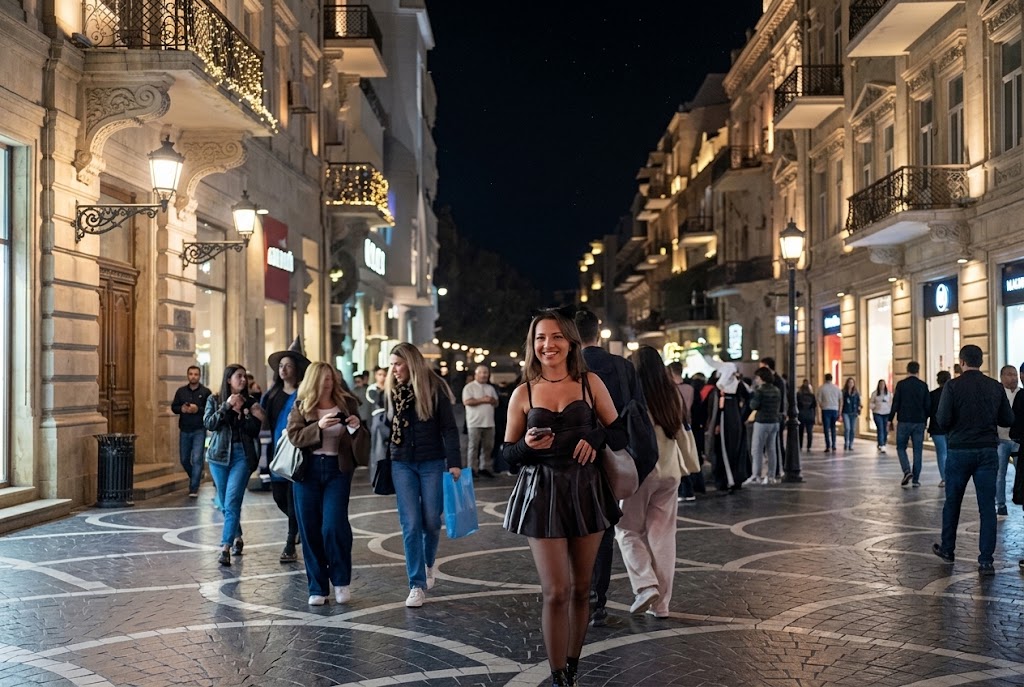
Every year on October 31, the streets of cities around the world take on a strange appearance: shop windows display frightening faces carved from pumpkins, artificial spider webs hang on doors, and vampires, witches, skeletons, zombies and other fantastical characters appear on the streets. Children knock on doors for sweets, adults attend costume parties, and restaurants and entertainment venues prepare special programmes. Interestingly, the vast majority of those who take part do not know the true history of Halloween, why it is celebrated specifically on October 31, or how the pumpkin became the holiday’s main symbol.
An even more intriguing question is how this ritual, once associated with the spirits of the dead, the arrival of winter and supernatural forces, became one of the modern world’s biggest commercial and entertainment events. Moreover, why has it begun to attract interest in countries such as Saudi Arabia and Azerbaijan, where it does not traditionally belong?
An examination of Halloween’s history shows that it is not simply about scary costumes and pumpkins. The holiday is a complex phenomenon that has changed over millennia under the influence of religion, folklore, migration, economics and popular culture.
Halloween’s roots can be traced to the seasonal ritual of the ancient Celtic peoples known as Samhain (pronounced roughly “Sow-in”). The Celts lived mainly in present-day Ireland, Scotland, Wales and other parts of the British Isles, as well as parts of Western Europe. The cycles of nature held particular importance in their lives. For these farming and livestock-raising peoples, the transition from summer to winter was not merely a change in weather. It also meant the end of the harvest season, the slaughter of some animals, and the beginning of the cold and dark period.
Samhain marked precisely this transition. During the ritual, which fell between late October and early November, the Celts believed that the boundary between the world of the living and the realm of spirits weakened. According to their beliefs, the spirits of the dead, as well as various supernatural beings, could return to the world inhabited by people on that night.
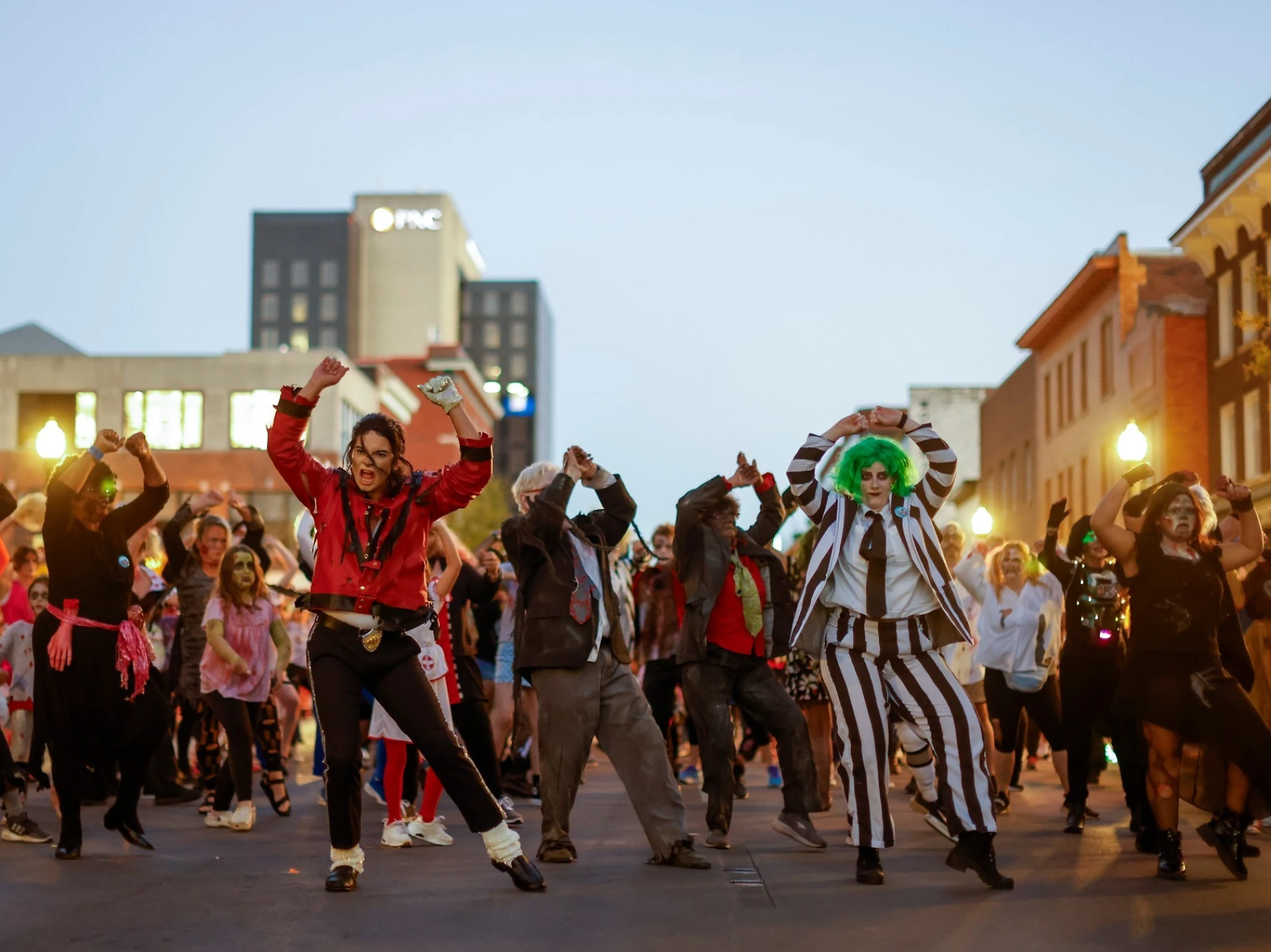
To protect themselves from these forces, people lit large bonfires, wore various masks, used clothing made from animal skins and offered food sacrifices. There is an interesting detail here: ancient people did not wear frightening costumes simply for entertainment. According to belief, if a person resembled spirits, they might not recognise them and leave them alone.
Thus, the roots of the masquerade tradition, now one of Halloween’s best-known features, lie in fear and the desire to protect oneself from supernatural forces.
The origin of the word Halloween is also interesting.
The word derives from the English phrase “All Hallows’ Eve”. It means “the evening before All Saints’ Day”. In the Christian tradition, November 1 is All Saints’ Day, when all saints are commemorated. The preceding evening was called All Hallows’ Eve. Over time, the phrase was shortened to Halloween.
This creates a historical paradox: Halloween’s ancient roots are linked to pre-Christian Celtic beliefs, but the Christian tradition played an important role in shaping its modern name.
In the 7th and 8th centuries, ceremonies commemorating saints became established in the Western Christian world around November 1. November 2 later became known as All Souls’ Day, when the spirits of the dead are commemorated. Modern Halloween is impossible to imagine without pumpkins. Interestingly, however, the main lantern in ancient Halloween traditions was not made from a pumpkin. Behind this symbol lies an Irish folklore tale about “Stingy Jack”.
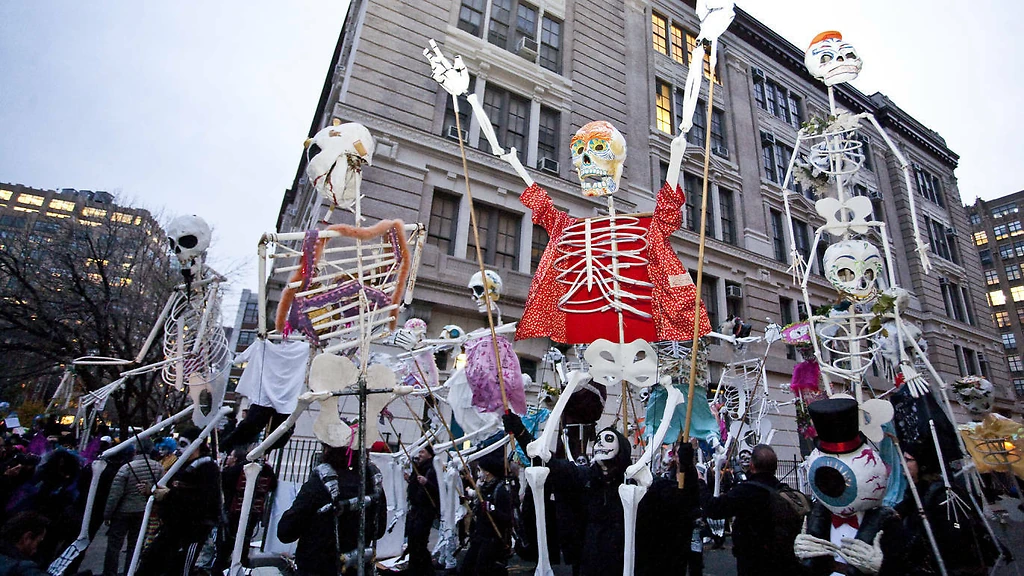
According to legend, a cunning man named Jack tricks the devil several times. After he dies, he is accepted into neither heaven nor hell. As a result, his spirit is condemned to wander in darkness. He is given an ember to light his way, and Jack places it inside a hollowed-out turnip. Inspired by this legend, the Irish and Scots hollowed out turnips and other root vegetables and placed candles inside them. The aim was to create frightening symbols and ward off evil spirits.
When Irish immigrants moved to America in the 19th century, they brought this tradition with them. In the United States, it was more convenient to use pumpkins, which were larger, softer and easier to carve than turnips. Thus, the pumpkin became Halloween’s main symbol
One of the key turning points in Halloween’s global popularity came in the 19th century. As a result of the Great Famine in Ireland in the 1840s, hundreds of thousands of people emigrated to the United States. They brought with them not only their belongings, but also their folklore, holidays and traditions.
As a result, Halloween began to spread through American society.
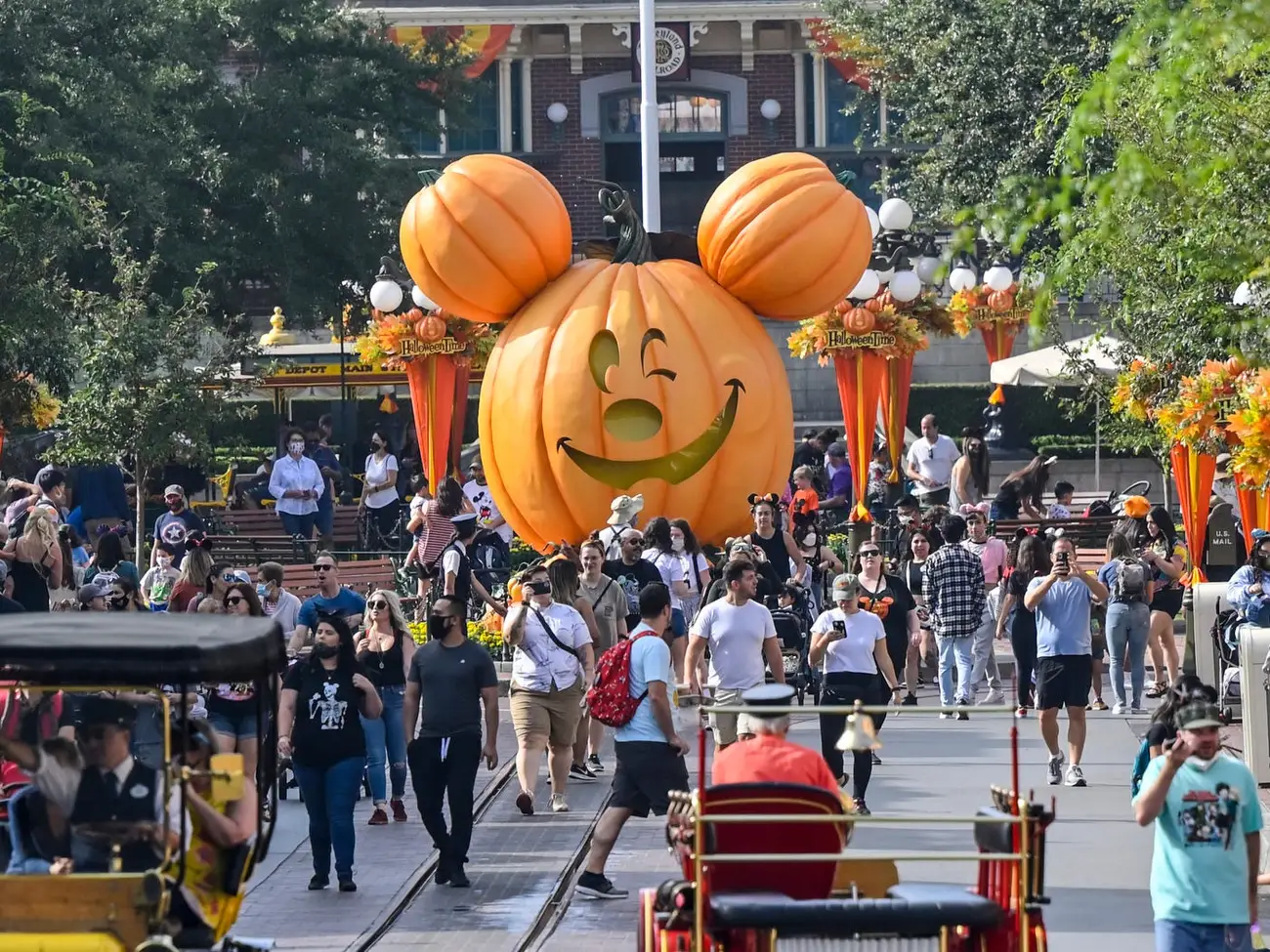
However, it took several more decades for it to take its current form. Although the holiday’s frightening and mystical aspects were initially more prominent, in the 20th century it began to take on the character of family and children’s entertainment.
Halloween’s popularity grew rapidly, especially after World War II. During the war, sugar shortages made it difficult to hand out sweets. After the war, both the economic situation improved and suburban settlements expanded. It became easier for children to go from house to house collecting sweets.
This tradition became known as “Trick or Treat”. It can be translated roughly as “Give me sweets, or I’ll play a trick on you.”
There is another interesting point here: Halloween’s commercialisation played an important role in weakening its frightening essence and turning it into an entertainment product.
Costume manufacturers, confectionery companies, film studios, restaurants, amusement parks and shopping centres turned the holiday into a major market.
American films and television series made Halloween a familiar cultural phenomenon for people in countries around the world. Many people now celebrate it not for religious or historical reasons, but to portray characters they have seen in films, have fun with friends and experience a different atmosphere.
Saudi Arabia is particularly interesting as an example when discussing Halloween. For a long time, the country was one of the societies where public life was strictly regulated by religious rules and the open celebration of non-Islamic holidays was not widespread.

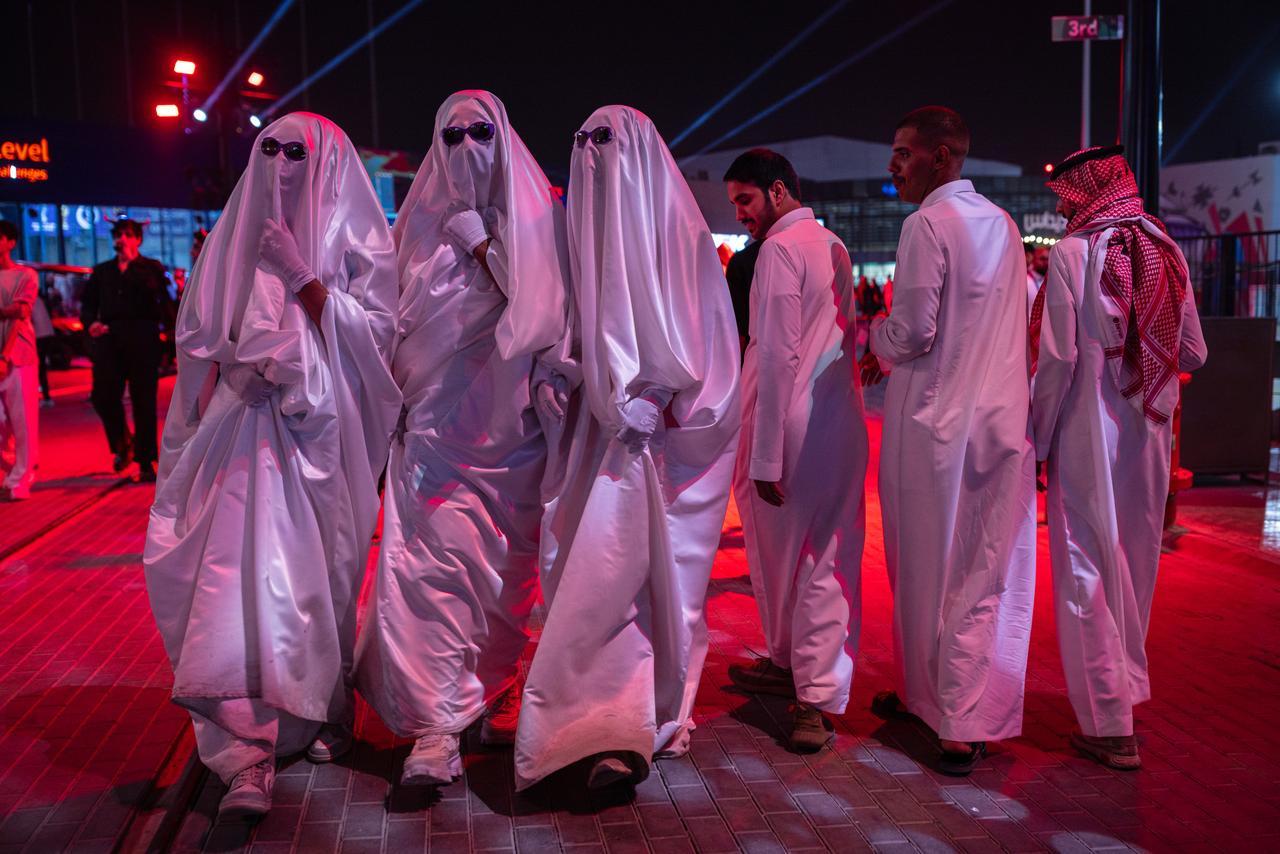
However, in recent years, the development of the entertainment industry, investment in the tourism sector and changes in public life have created conditions for a shift in attitudes towards events of foreign origin such as Halloween.
It is enough to look back at 2018 to understand this change.
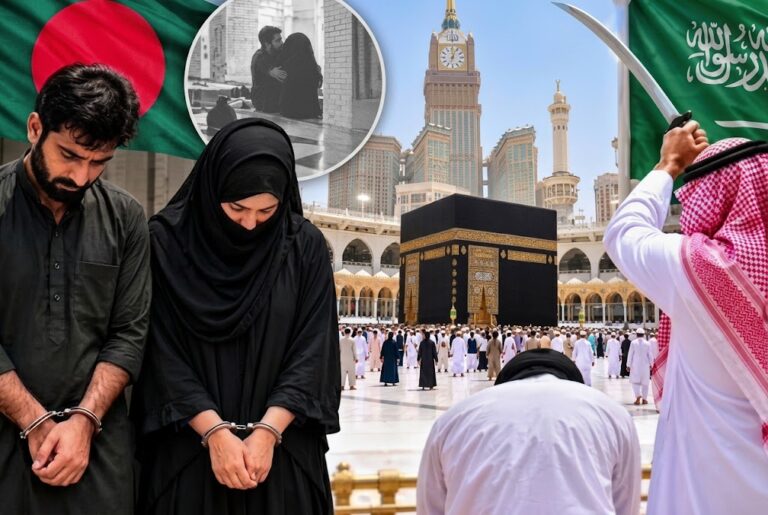
In October of that year, police broke up a private Halloween party in Riyadh. Several foreigners who attended the event were detained, and the incident sparked wide discussion both within the country and in international media. The reason was not only that Halloween was considered religiously controversial: police were also investigating an unauthorised event, noise and breaches of public order.
The incident showed that Halloween was still a subject of social and religious debate in Saudi Arabia. However, the picture began to change just a few years later.
The Scary Weekend event held in Riyadh in October 2022 was one notable example. Participants who arrived in scary costumes at the Boulevard entertainment venue in the Saudi Arabian capital were offered free entry under special conditions. The event was not intended only for foreigners; local residents also attended in costumes.
In a report dated October 30, 2022, Arab News described the event as one dedicated to entertainment and creativity, where people living in the Kingdom and local participants displayed their unusual outfits.
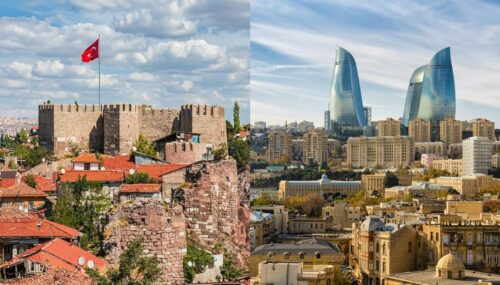
Azerbaijan’s experience with Halloween differs in some respects from that of Saudi Arabia. Here, it is less about religious and public bans and more about globalisation, young people’s interests, social media and the expansion of the entertainment market.
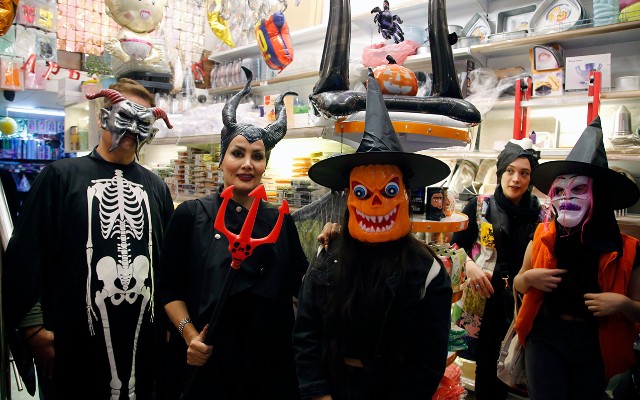
Halloween is not a traditional national holiday in Azerbaijan. There is no reliable historical evidence of its existence in local history as an ancient ritual connected with Samhain or All Hallows’ Eve.
Nevertheless, interest in Halloween has been observed to grow in recent years, particularly in Baku.
Many people first encountered Halloween characters not in real life, but in Hollywood films, American television series and animations.
For example, Hocus Pocus, Wednesday, The Addams Family and various horror films have introduced Halloween aesthetics to international audiences. Thus, a holiday with certain historical and cultural roots in the United States has also become a familiar visual culture for Azerbaijani youth.
The spread of Halloween among children has also contributed to growing interest. Themed events organised at schools and kindergartens give children an opportunity to wear different costumes, make handicrafts, learn new words in English and have fun. However, it would be inaccurate to say that this trend encompasses all of Azerbaijani society. It is more an interest seen in urban settings, particularly among certain young people and entertainment venues in Baku.
The history of Halloween shows that no cultural tradition remains unchanged forever. As people’s beliefs, lifestyles, economic relations and worldviews change, so do rituals.
Halloween is an example of this process. The Samhain ritual, which the ancient Celts associated with the arrival of winter and which was accompanied by beliefs about the spirit world, gradually merged with Christian traditions, travelled from Europe to America and ultimately became a global entertainment event.
On the other hand, there are also concerns about the impact of the holiday on children’s psychology.
Psychologist Gülnar Orucova told Globalinfo.az that while such celebrations are regarded as normal abroad, there are still people in Azerbaijan who do not consider them normal:
“A child’s brain cannot distinguish reality from illusion, that is, the imaginary. Such images can cause fear and anxiety in children. Violence and aggression are normalised at such events. Giving food and accessories a frightening appearance, for example sausages shaped like severed fingers, may cause children to develop a habit of viewing such images as normal in the future. Children may consider what they see normal and may even try to apply it to their friends. This could lead to tragic consequences for a family.
In my opinion, such celebrations should be banned in Azerbaijan. Shopping centres and restaurant chains attract customers through these events. However, this could have numerous negative consequences in the future. Parents sometimes find it difficult to explain the essence of this holiday to children. Such events can cause emotional sensitivity and anxiety in children. The likelihood of sleep problems, nightmares and a tendency towards violence increases. A child does not think like an adult and believes they can repeat everything they see.”

Gülnar Orucova
The psychologist noted that parents should be careful, should not take their children to such events and should not decorate their faces and bodies in frightening images:
“Children can be taken to different places for entertainment. They should be shown nature, taken to book presentations and enabled to participate in events that will contribute to their development. Otherwise, it would be wrong to expect compassion in the future from children who take part in such celebrations. Their sense of compassion may weaken or even disappear.”
Safura Bənnayeva
Globalinfo.az
Read also