Citric acid, which is widely used in kitchens, is not actually made from lemons.
Globalinfo.az reports that Healthline has published an investigation on the matter.
According to the information, scientists found a cheaper method of producing citric acid in the early 20th century.
The substance was previously obtained from citrus fruit juice, but the method was costly, prompting a change in industrial production. Only a very small amount of powder can be obtained from one lemon. If production had continued using this method, citric acid would be sold at a “gold price”.

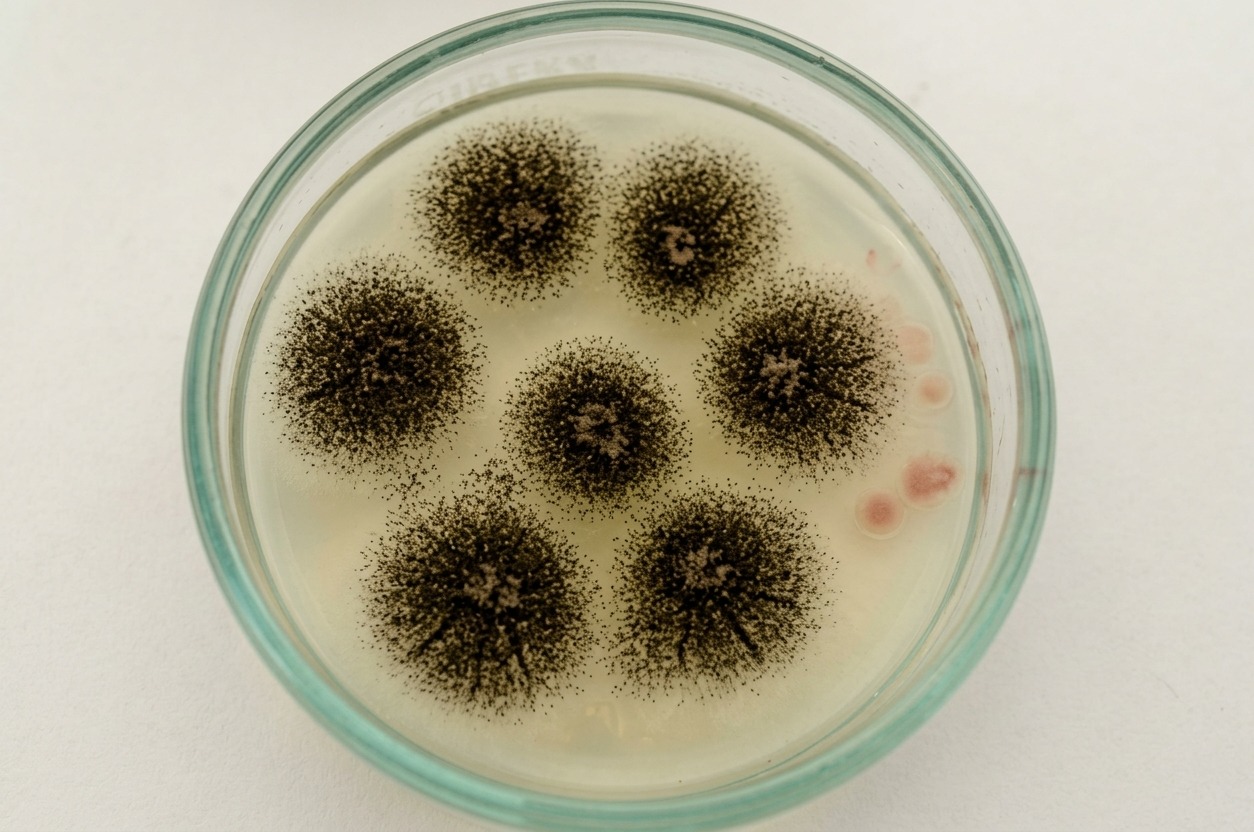
The substance is now produced with the help of a special mold fungus. The fungus is fed a high-carbohydrate mixture and breaks down sugar to produce a liquid. The liquid is then processed in factories and converted into citric acid. This method is significantly cheaper than obtaining the acid from lemons.
Known in the food industry as E330, citric acid is used in sweets, baked goods, sauces, beverages and preserves. It is also used in the production of cleaning and disinfecting products because of its ability to remove scale and deposits.
Citric acid may help improve appetite, support energy metabolism and help the body absorb minerals.
However, excessive consumption of citric acid can damage tooth enamel and cause heartburn and symptoms of gastritis.
Leyla Alisoy
Globalinfo.az
Read also