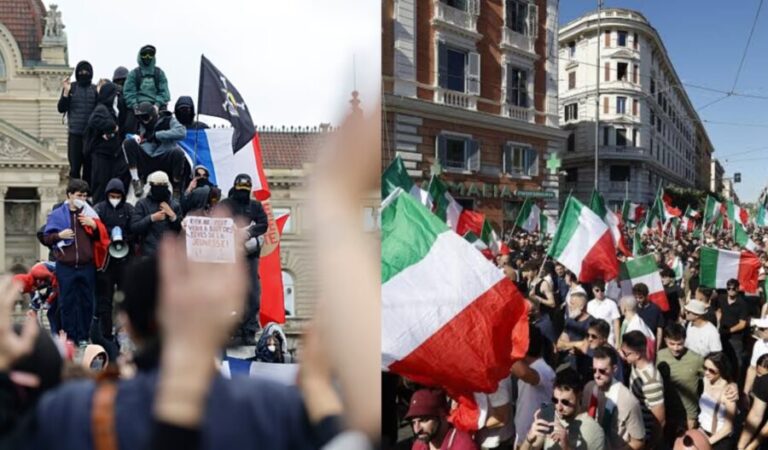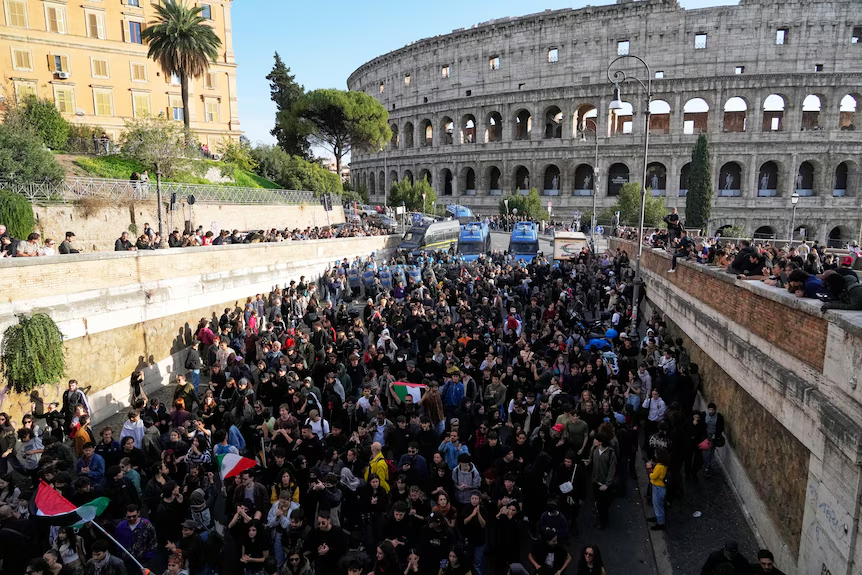
“In France, political fragmentation, problems with government stability, budget deficits and growing social discontent are calling the effectiveness of state governance into question, which is why protests in the country have not subsided today. In Germany, meanwhile, the industrial model long considered Europe’s economic locomotive is facing energy costs, competition with China, technological lag and the pressure of demographic ageing. In both countries, it is evident that traditional political forces are struggling to respond to society’s changing demands. As a result, against the backdrop of what is happening today in Germany and France, the positions of alternative and populist political forces are strengthening.”
These remarks were made to Globalinfo.az by political commentator Tamilla Gulami.
The political commentator noted that the current picture shows that the US factor also lies behind these processes:
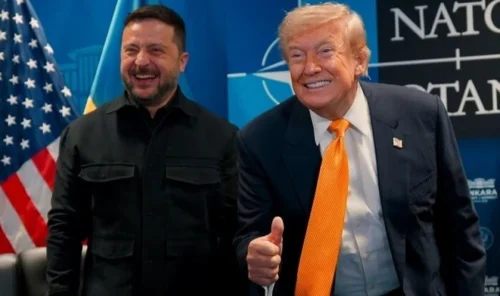
“It is no secret to anyone that Europe is heavily dependent on Washington in terms of security. On the one hand, the United States demands that European countries increase defense spending; on the other, it protects its own military industry’s dominance in the European market. As a result, a significant portion of the funds Europe allocates to defense flows into the American economy and military industry. Washington’s shift toward making global competition with China its main priority is also forcing Europe to think more independently about its own security.
Another aspect of the issue is the crisis of representation in democracy. Although elections are held, a growing segment of society believes that political decisions do not reflect the real public will. This is weakening trust in democratic institutions.
In fact, Europe’s problem is not merely aging, but its inability to keep pace with a rapidly changing world. Europe has not entirely lost its economic, technological and intellectual potential, but it is struggling to turn that potential into unified geopolitical power.”
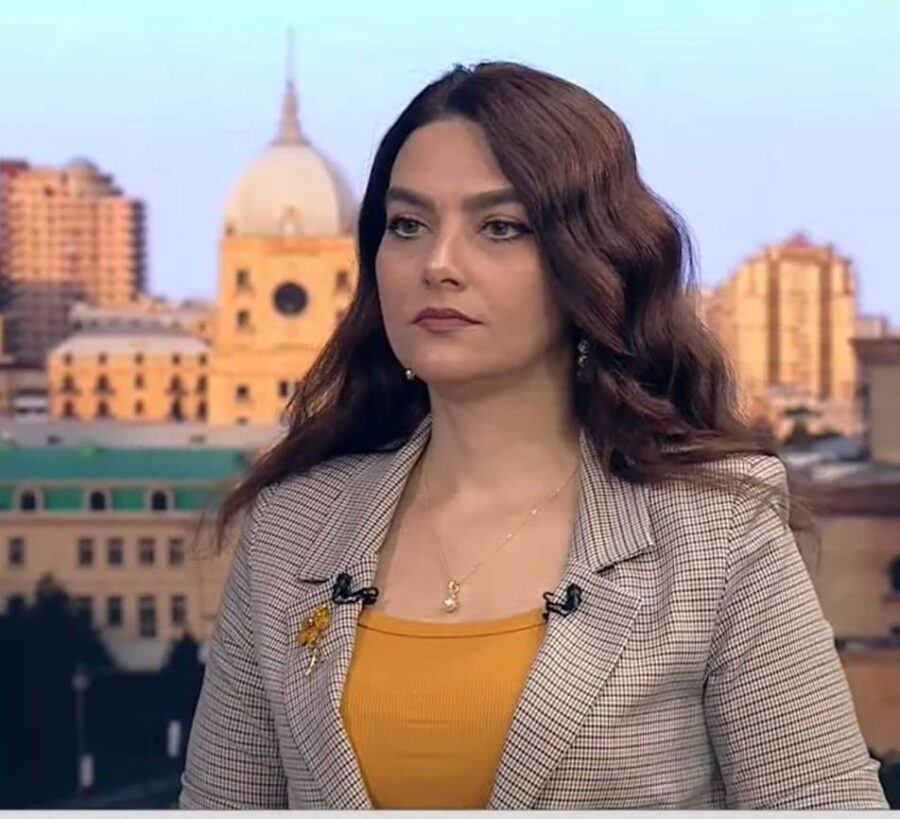
Tamilla Gulami
The political commentator noted that today there are contradictions between the position of the political elite and voters’ expectations on economic policy, migration, security, energy, the war in Ukraine, and relations with the United States:
“This situation has created conditions for the rise of populist and radical political forces. Because when traditional political parties fail to address society’s discontent, alternative forces turn that discontent into political capital. Nevertheless, the same process is not unfolding in every European country, and it is not entirely logical to link the rise of populist forces solely to a decline in democracy. This is also the result of a crisis of representation, social discontent and declining trust in the political system. Because preserving democracy requires not only the existence of institutions, but also their accountability to society. But let us not forget that the continent still possesses strong universities, scientific centers, industrial traditions and highly skilled human capital. The problem lies in being able to turn this potential into economic and geopolitical results.
The main choice facing Europe today is whether to continue its dependence on the United States or to become an independent center of political, economic and military power. Europe’s current crisis is, first and foremost, a test of its ability to independently determine its own future.
This test will determine not only the future of France and Germany, but the future balance of power of the entire Western world.”
Turan Rzayev
Globalinfo.az
Read also