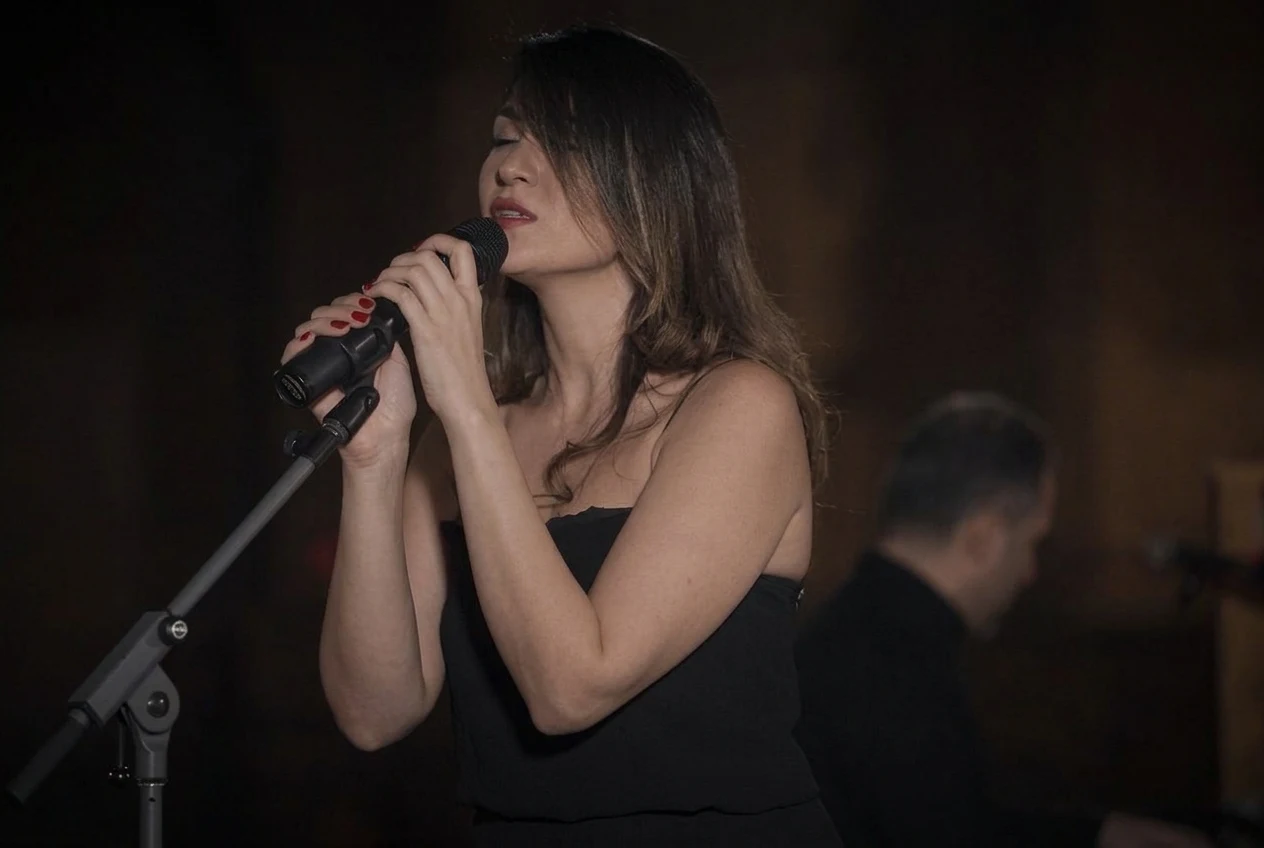
Restrictions in Iran on women’s dress and artistic activity have once again sparked international debate. Two years ago, 29-year-old Iranian singer Parastoo Ahmadi was sentenced to 74 lashes over a “Caravanserai Concert” she staged and posted online. The ruling by a court in Qom was carried out on November 23, and four male musicians who accompanied her were handed the same punishment. The case concerns a concert filmed in December 2024, in which Ahmadi performed without a hijab alongside male musicians. The performance drew millions of views on YouTube, and as a result the artists were also banned from engaging in musical activity and from leaving the country for two years.
Doesn’t sentencing someone to such punishment over their clothing and musical activity violate international human rights norms? What legal and practical steps can international organizations take regarding the enforcement of such rulings? What does this case reveal about artistic and creative freedom? To what extent do harsh punishments silence artists — or do they, on the contrary, help them reach a wider audience?
Human rights defender Novella Jafaroglu told Globalinfo.az that this is an extremely harsh and unacceptable punishment:

Novella Jafaroglu
“If these individuals appeal to international organizations, they may receive some support. However, since Iran’s judicial system operates under the control of the current regime, I do not think this will produce serious results. As human rights defenders, we can bring this matter to the attention of international human rights organizations and act jointly on this front. This is not the first such case. We can call on the international community to urge states to pressure Iran in order to put an end to such actions and help free people from this situation.”
Aydin Khan Abilov, chairman of the New Writers and Artists Public Union and a writer-culturologist, said that every state has its own laws, prohibitions, and standards regarding art, lifestyle, and freedom of speech and expression:
“Being a well-known artist, having talent, or wishing to convey one’s ideas to society through art does not exempt a person from the obligation to comply with that country’s laws. Otherwise, it can lead to problems with official authorities. In many countries around the world, especially in the former USSR and the socialist bloc, a dissident movement existed. Dissidents expressed their views against the political system through the language of art — sometimes Aesopian language, sometimes sharp criticism. Nevertheless, taking into account the existing rules and the regime’s demands, they tried to convey their positions to society using figurative expressions, hidden meanings, and subtextual philosophical, political and social messages. Unfortunately, awareness of this subject is low in Azerbaijan and in many countries around the world. People sometimes consider doing whatever they want to be freedom. But freedom only corresponds to the concept of liberty when it remains within intellectual, aesthetic and ethical boundaries. The situation regarding women’s rights and freedoms in Iran is more complex. For example, women have greater opportunities than men to gain rights and property in divorce.”
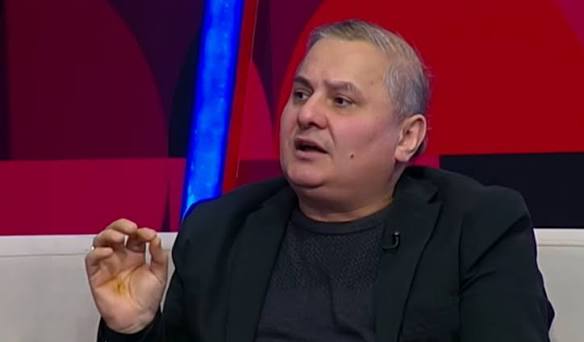
Aydin Khan Abilov

The union chairman noted that this was a pre-planned concert:
“The performers should have known what consequences such a step could lead to. Even before this, artists in Iran, including women who appeared in public without headscarves, had faced persecution. Organizing such a concert at a time when state bodies, police and special services were dealing with protesters could provoke a harsh reaction from the Iranian regime. As a result, the performers were punished. Of course, from a human standpoint, such punishment cannot be considered right. We all know that artists should be free. But still, in terms of Iran’s existing legislation, this step was bound to lead to serious legal problems. Imagine if, during the Karabakh war, at a time when we were losing martyrs, some Azerbaijani singer performed Armenian songs, or sang ‘Sari Gelin’ — which belongs to Azerbaijani culture — in Armenian. It is not hard to imagine how society would react. When the world-famous Qoqush performed Armenian music abroad, it was also met with serious protest in Azerbaijan at the time. Even when an Armenian song that spread from Turkey became popular in Azerbaijan for a while, young people who performed that piece faced public condemnation.
Now a similar event is taking place in another country, and we tend to disregard that country’s rules and regulations. How fair is that? However talented Ms. Parastoo may be, and even though I consider her one of the fine examples of Iranian music, I do not accept this step of hers. I believe such conduct is not right. At least until the existing legislation and public opinion change, artists need to be more careful about such matters.”
The culturologist added that some singers in Azerbaijan also perform concerts in revealing attire:
“How would society react if those concerts were held in mosques or in places we consider sacred? From this standpoint, the social and cultural sensitivities of other countries must also be taken into account. Western forces try to pressure and overthrow existing regimes by promoting the freedom of women and men, as well as various behavioral models, thereby encouraging a drift away from national and spiritual values. Unfortunately, some artists fall under these influences without understanding the essence of these processes, ultimately harming themselves, those around them, and their own creative work. Moreover, we are talking about a neighboring country, and these processes could also affect Azerbaijan.
Creativity should be free, but this freedom should not be destructive in nature — it should serve harmony. Creative activity, whether in Iran or in Azerbaijan, should contribute to the development of society and its enrichment in aesthetic, ethical, spiritual, creative and cultural terms. In this regard, creative people, television and mass media, as well as social network users in Azerbaijan too are required to treat ethical rules and national-spiritual values with respect. If such an incident were to occur in our country as well, those involved could face certain social and professional restrictions. True, they would not be flogged, but their media appearances could be limited, they might not be invited to concerts, and people might even refuse to have them perform at their weddings.”
Leman Imran
Globalinfo.az