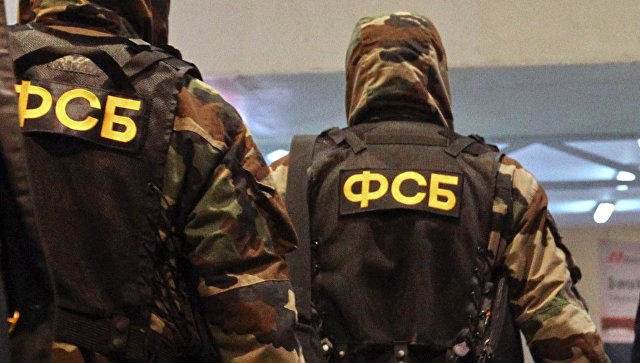
US intelligence agencies have been hit by a cyberattack. According to the information, a cybersecurity incident at the Central Intelligence Agency (CIA) and the Office of the Director of National Intelligence resulted in access being gained to some non-classified information.
Cyberattacks against leaders of various countries and state structures have intensified in recent times. Azerbaijan is facing the same situation as well.
On whose orders and for what purpose could such attacks be organized? What lies behind this “war”?
Speaking to Globalinfo.az, information technology specialist Elvin Hasanov said that attacks on state institutions, intelligence structures, banks, the media and critical infrastructure can often carry a larger strategic purpose:
“It is very hard to say exactly who is behind an attack. In cyberspace, an attacker can hide their tracks, use another country’s server, even deliberately use another group’s tools. So to say that such-and-such a state carried out this attack, it is not enough to look only at the IP address or the programs used. That requires a long-term technical investigation and other information.”
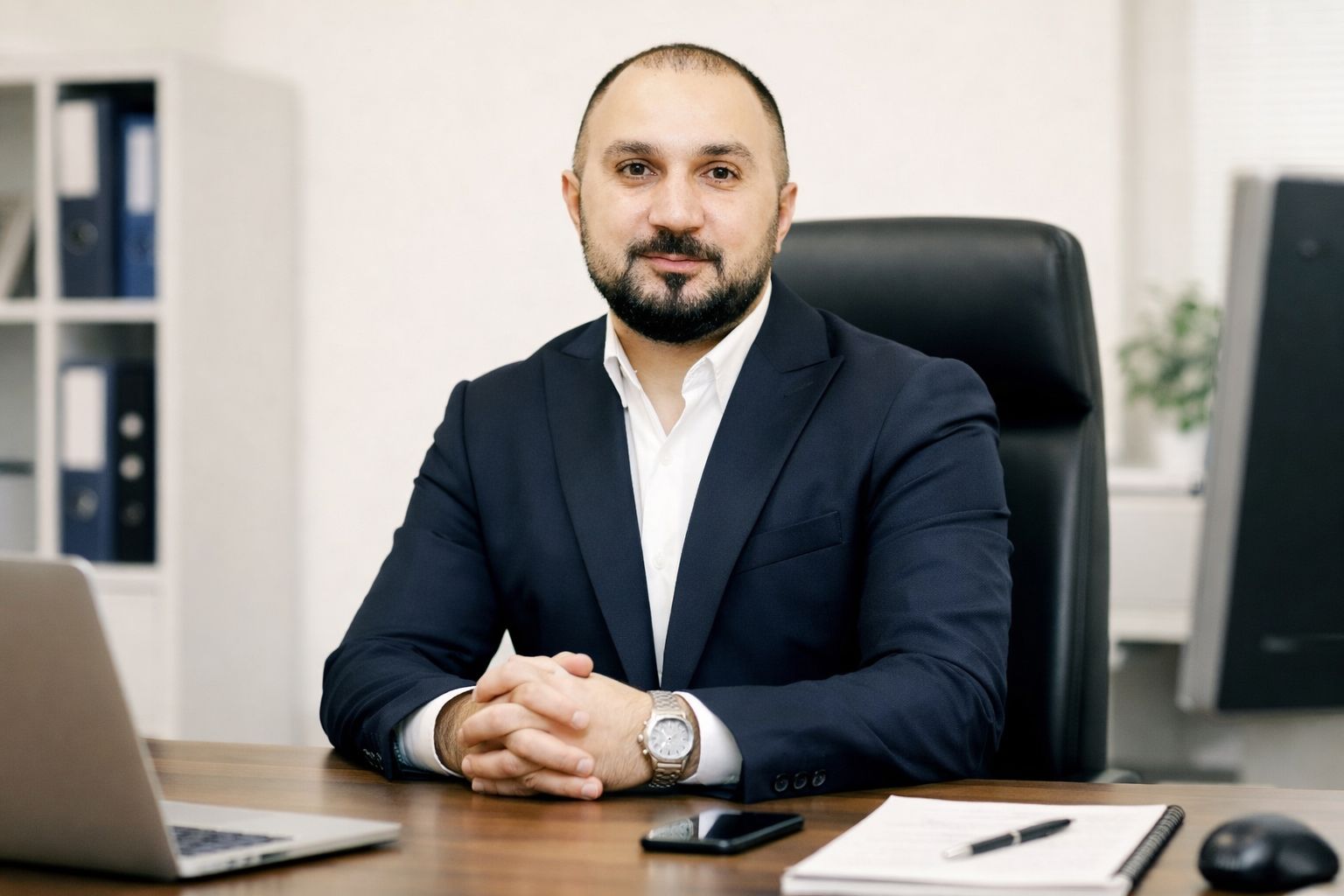
Elvin Hasanov
According to the expert, part of the confrontation between states today is conducted on an invisible plane:
“If previously it was necessary to physically disable the other side’s communications line, today in certain cases this can be done with a cyberattack. The suspension of a public service, a problem in the banking system or media outlets going down can in themselves create a serious psychological and economic impact. Another goal may be not simply stealing information but testing the other side’s reaction. For example, the attacking side sees how many minutes it takes the state system to react, which protection mechanisms are activated, whether there is a backup system and at what stage the attack is stopped. That information itself is also very valuable for the future.”
E. Hasanov noted that sometimes purely financially motivated criminal groups or independent outfits may be behind it:
“Therefore one should not rush to conclusions about the cause and the client. Simply put, the form of war has changed in the modern era. Alongside the tank and the missile, code, servers and data have also become strategic tools. The main point is that states must now treat this risk not as an emergency but as a permanent threat and build their defences accordingly.”
Zaira Akifqizi
Globalinfo.az
Read also