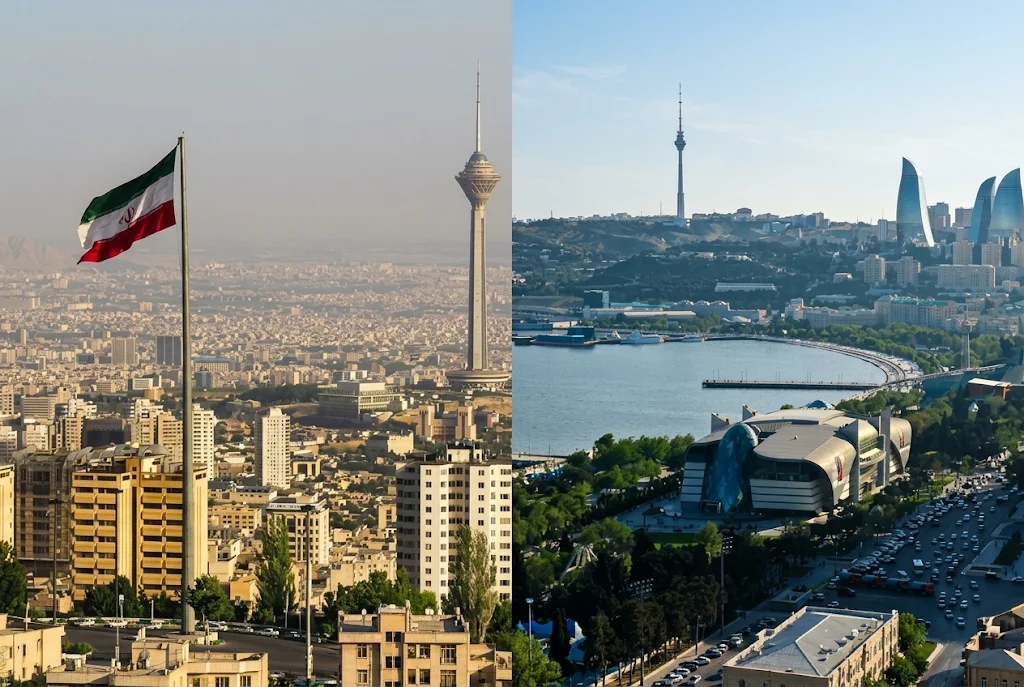
The ongoing war with Iran has dealt a serious economic blow to the Persian Gulf countries. According to forecasts, the damage the conflict has inflicted on the region has exceeded $200 billion, while long-term economic losses could reach $790 billion by 2030.
How will such massive economic damage inflicted on the Persian Gulf countries by the war affect the world economy, particularly the energy market? In what form could these losses affect Azerbaijan’s economy?
Economist Ali Salimov, speaking to Globalinfo.az, said that this damage has already gone beyond the framework of a regional conflict and has become a serious risk for the world economy:
“In particular, the damage to energy infrastructure, the weakening of the tourism sector and the decline in investment activity have a negative impact on the economic development prospects of the Gulf countries. And the consequences of this process are not limited to the parties to the conflict; they are transmitted to other countries through international economic ties and energy supplies. The war’s most serious impact on the world economy manifests itself in the energy market. The Persian Gulf is one of the main centres of world oil and natural gas supply. The strategic importance of the Strait of Hormuz is particularly great in this regard. About a quarter of the oil transported by sea worldwide and a significant share of liquefied natural gas trade pass through this route. Restrictions on shipping in the strait, attacks on energy facilities and damage to export infrastructure increase the danger of a decline in supply on the global market. As a result, sharp volatility in oil and gas prices and rising transport and insurance costs are being observed. And the rise in the price of energy carriers, in turn, will increase costs in various sectors, from industrial production to transport and food, accelerating global inflation.”

Ali Salimov
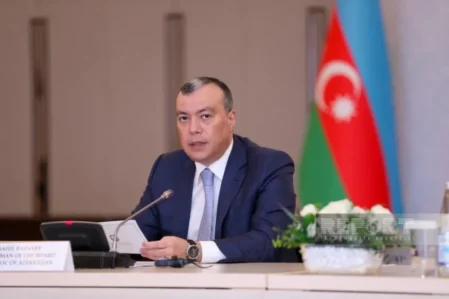
The economist said that the situation that has arisen for Azerbaijan, along with economic opportunities, also creates certain risks:
“First of all, the rise in oil and gas prices on the world market could have a positive effect on the country’s export revenues, the state budget and the balance of payments. Additional revenues from hydrocarbon exports are important for increasing foreign exchange reserves and maintaining macroeconomic stability. At the same time, the growing importance of Europe’s energy security further strengthens Azerbaijan’s role as a reliable energy supplier. However, the advantages created by high energy prices do not eliminate certain risks. The acceleration of global inflation is causing the food, industrial products and technologies Azerbaijan imports to become more expensive. And the increase in security risks in the region could have a negative impact on investment flows, transport and logistics links and trade turnover. In this regard, along with the growth of energy revenues, the uncertainty in the foreign economic environment must also be taken into account.”
A. Salimov noted that the Iran war creates certain opportunities for Azerbaijan in terms of increasing short-term energy revenues:
“But the main strategic goal should be to turn these opportunities into a long-term economic advantage. It is of particular importance to direct the additional revenues towards the development of the non-oil sector, the diversification of exports, the expansion of industrial potential and the strengthening of transit infrastructure. Because in a changing geo-economic environment, Azerbaijan’s sustainable position will depend, along with energy revenues, on how efficiently those revenues are used for the diversification of the economy.”
Laman Imran
Globalinfo.az
Read also