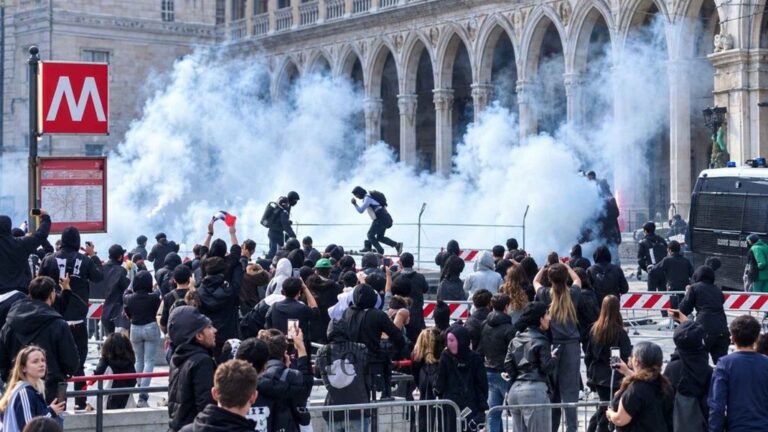
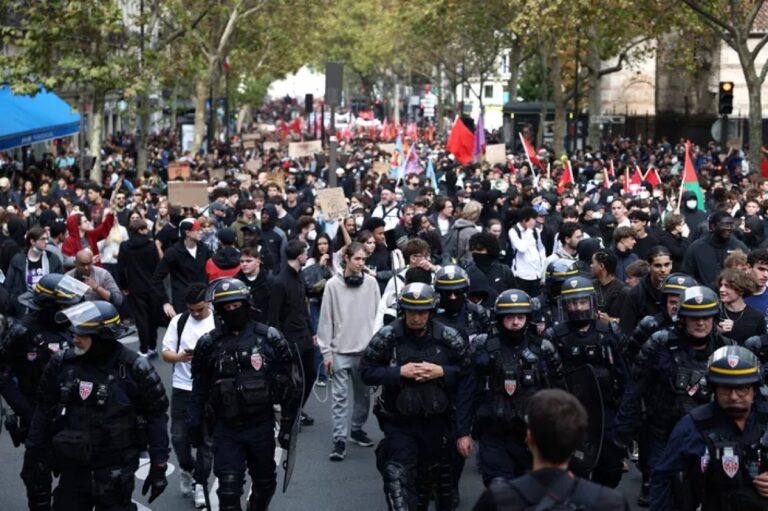
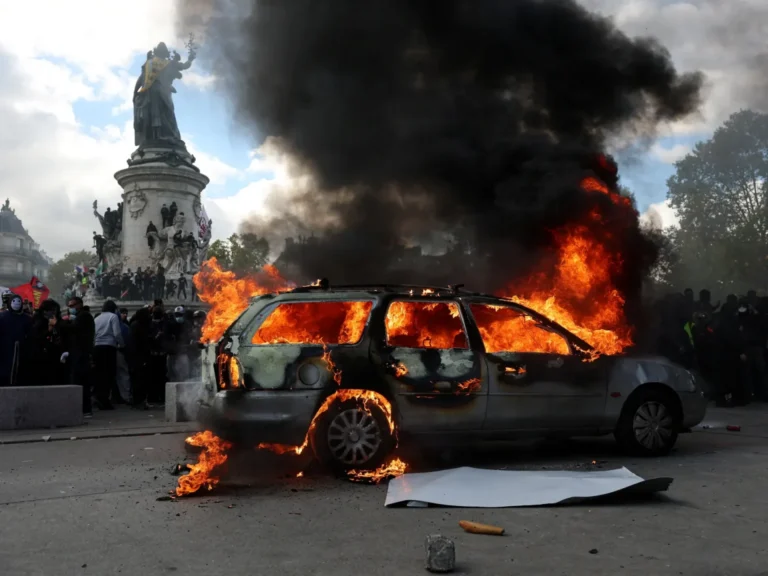
Ongoing protests in France have once again turned the country’s political agenda toward the Macron government. Rising living costs, social inequality and discontent among various groups are strengthening protests against the Macron regime. The phrase “Macron dictatorship,” increasingly heard in society, is further deepening debate about the political situation in the country.
Political analyst Zuriya Garayeva, speaking to Globalinfo.az, said that the socio-economic reforms carried out in France after Macron came to power in 2017 caused serious discontent among various segments of society:
“Although the Macron government took steps to liberalise the labour market, improve the business environment, promote investment and optimise public spending, the social consequences of this policy were not received unanimously. Low- and middle-income groups in particular voiced discontent over rising living costs, weakening purchasing power and changes to the social security system. The ‘Yellow Vests’ movement, which began in 2018 in protest against fuel taxes and later continued with broader social demands, was one of the clearest examples of discontent between the authorities and society. The raising of the retirement age from 62 to 64 in 2023 triggered mass demonstrations in the country. In particular, the adoption of this reform under Article 49.3 of the Constitution without an ordinary vote in parliament further strengthened criticism of the government’s decision-making method.”

Zuriya Garayeva

According to the political analyst, the other side of the issue is that certain results achieved in Macron’s economic policy have not been able to fully meet society’s social expectations:
“Although the unemployment rate declined in the first years of his presidency, growth was again observed in the following period. Rising consumer prices in France, growing public debt and budget constraints have further deepened social discontent. While Macron’s supporters consider the reforms necessary for increasing economic competitiveness and ensuring the sustainability of public finances, critics stress that the social burden is distributed unevenly among different segments of the population. The persistence of discontent, especially among pensioners, students, farmers and working people, shows that socio-political tension in France has taken on a broader character. I believe the current protests are not merely a reaction to individual economic decisions, but also an expression of the distrust that has formed in a certain part of French society toward the Macron government’s methods of governance and social policy.”
Laman Imran
Globalinfo.az
Read also