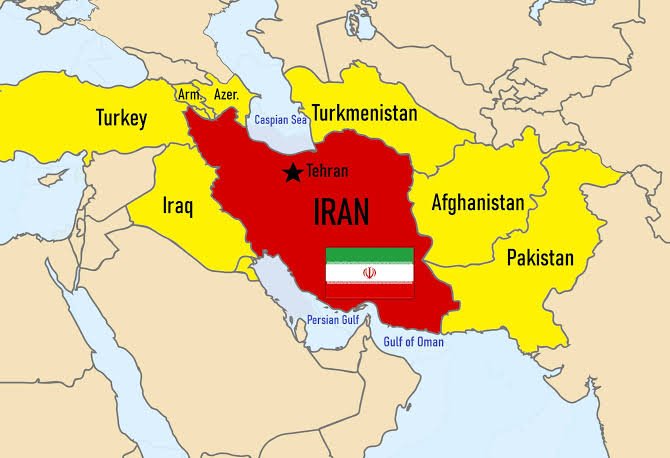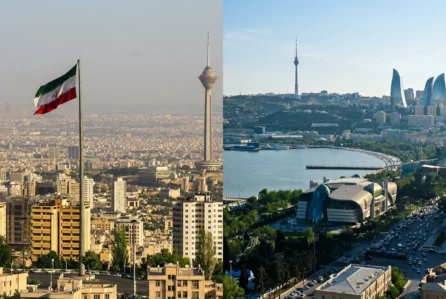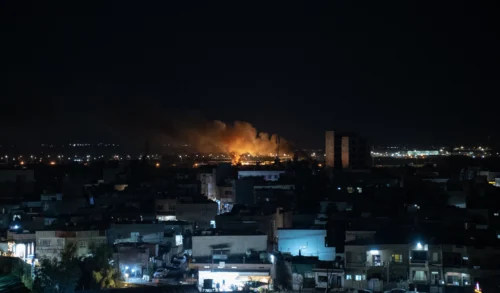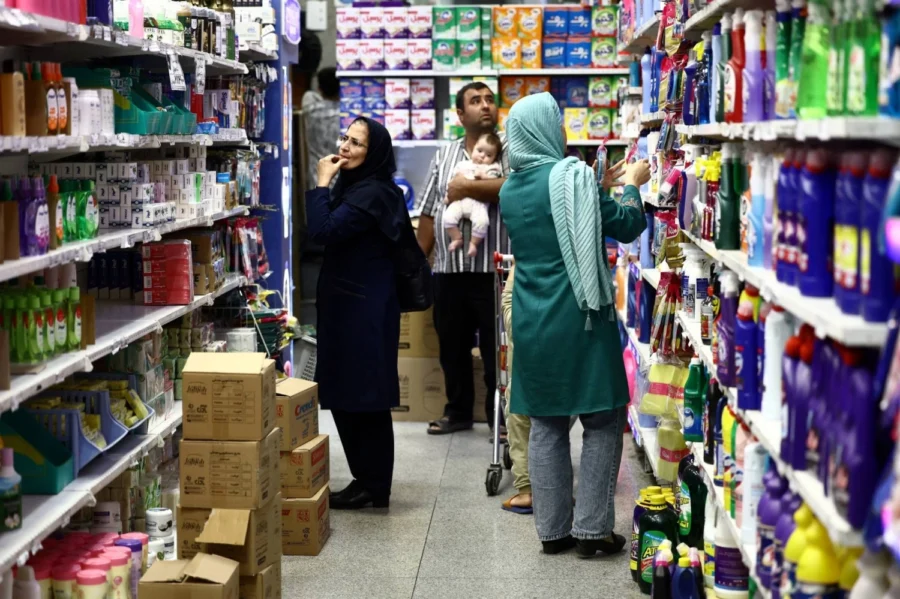
The deepening economic crisis in Iran and the worsening social conditions of the population increase the likelihood of a new wave of protests. Meanwhile, possible military plans by the United States and Israel concerning Tehran are keeping tensions in the region in focus.
Could protests in Iran become widespread, and how realistic is it that the Israel-Iran confrontation could return to a military phase in the near future? What is happening around Tehran?
Political commentator Bakir Hasenbeyli told Globalinfo.az that the emergence of domestic protests in Iran is, in fact, a natural process.
He said inflation has accelerated in the country over the past year and the economic situation has deteriorated significantly:
“Over the past few years, the Iranian rial has lost around 54 times its value. Food prices have risen sharply over the past two years. From July to September alone, food prices increased by around 70.2 percent. There are also serious problems with the payment of pensions and wages in the country. In other words, Iran faces a cash shortage.
At the same time, there are serious problems with capital inflows into the country. Sanctions imposed by the United States, particularly the wide-ranging restrictions, have begun to leave serious marks on Iran’s economy. As a result, people’s purchasing power has fallen significantly. Poll results I came across a few days ago showed that some families cannot even afford to buy meat. They spend their limited funds to ensure that their children at least receive adequate nutrition.
All this shows that we may witness more widespread protests against the theocratic regime in Iran, which is unstable economically and socially, in the coming days.”
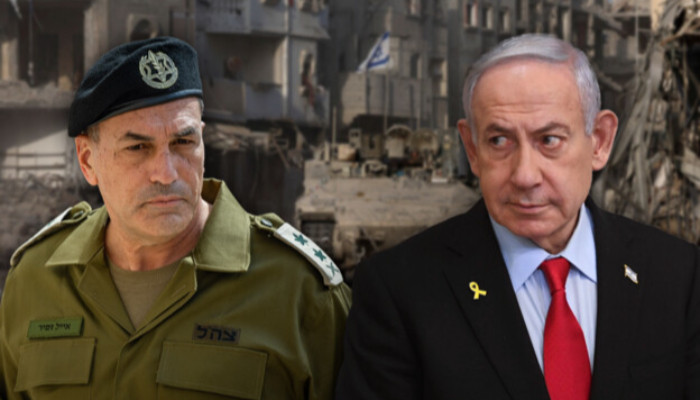
The political commentator also commented on the possibility that the United States and Israel could launch a new military operation against Iran. He said such a scenario does not appear realistic at this stage:
“There are several reasons for this. One is that the final results of the elections held in Israel have not yet been announced. It is possible that the forces that come to power in Israel may, unlike the government of Prime Minister Benjamin Netanyahu, give preference not only to military intervention but also to military-diplomatic means. This could raise the possibility of resolving issues through negotiations.
Nevertheless, regardless of who comes to power in Israel, I do not think they will change the country’s overall policy. We should take into account that the International Crisis Group has reported that there are currently 65 armed conflicts worldwide. Six of these conflicts are in the Middle East, and Israel is directly involved in five of them.”
Bakir Hasenbeyli said Israeli officials involved in the conflicts justify the country’s military and political actions on security grounds:
“There are certain rules in Israel’s system of governance. As you know, Israel is a state without a constitution. Under the political approach that has developed in the country, state security is the main priority both for those in power and for ordinary citizens.

Bakir Hasenbeyli
From this perspective, I do not think a change of government in Israel would alter its attitude towards Iran. Iran is perceived as a country that constantly poses a threat to the Israeli state and people. However, as I noted, the likelihood of this confrontation once again turning into an open military conflict in the near future does not currently appear high.”
The political commentator stressed that the domestic political situation in the United States also affects decisions concerning Iran:
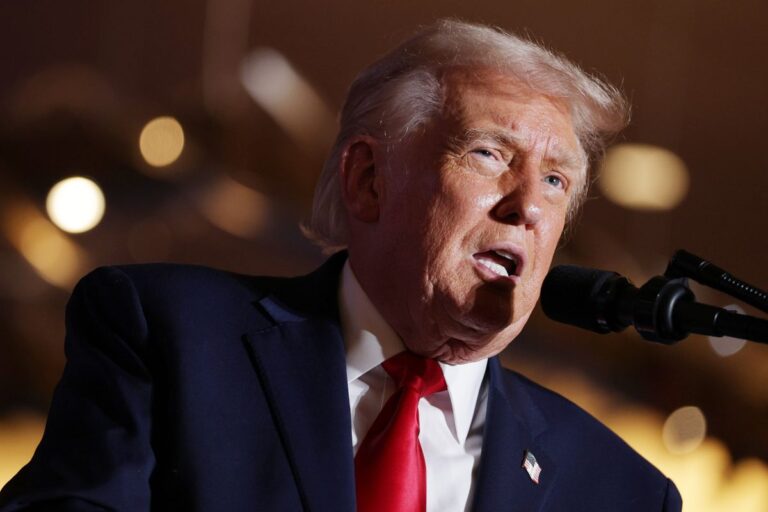
“In his view, the domestic political and economic difficulties facing President Donald Trump’s administration are among the factors making it harder for Washington to begin a new military confrontation. As you know, midterm elections will be held in the United States tomorrow. The Trump administration is expected to face serious problems in elections concerning both the Senate and the House of Representatives. This situation is, in fact, linked to domestic policy in the country. Problems in domestic policy are also reflected in foreign policy.
Today, almost none of the promises made by the Trump administration during the election campaign have been fully fulfilled. For example, how many dollars an ordinary American pays to fill their car’s fuel tank is an important issue. The sharp rise in fuel prices over the past year is linked to developments in the Middle East.
US-Iran relations, the possibility of the closure of the Strait of Hormuz, as well as the Houthis’ growing capacity for control and influence in the Bab el-Mandeb Strait are among the factors affecting fuel prices. All this is creating serious concern and dissatisfaction within the United States. Undoubtedly, this dissatisfaction could also be reflected in election results.
I believe that the policy pursued by Trump is sufficiently purposeful and forward-looking from the perspective of US strategic interests. I consider him one of the boldest and most appropriately chosen presidents to implement the United States’ strategic course.
Undoubtedly, some US citizens do not yet fully understand the long-term consequences of this policy. This is because daily economic and social problems, particularly declining purchasing power, are more pressing for ordinary Americans.
However, I believe Trump will become one of the heads of state who leaves a mark on US history. The serious problems he and his administration face today are not, for now, the main factors that would cause the confrontation with Iran to return to an active military phase.”
Safura Bannaeva
Globalinfo.az
Read also