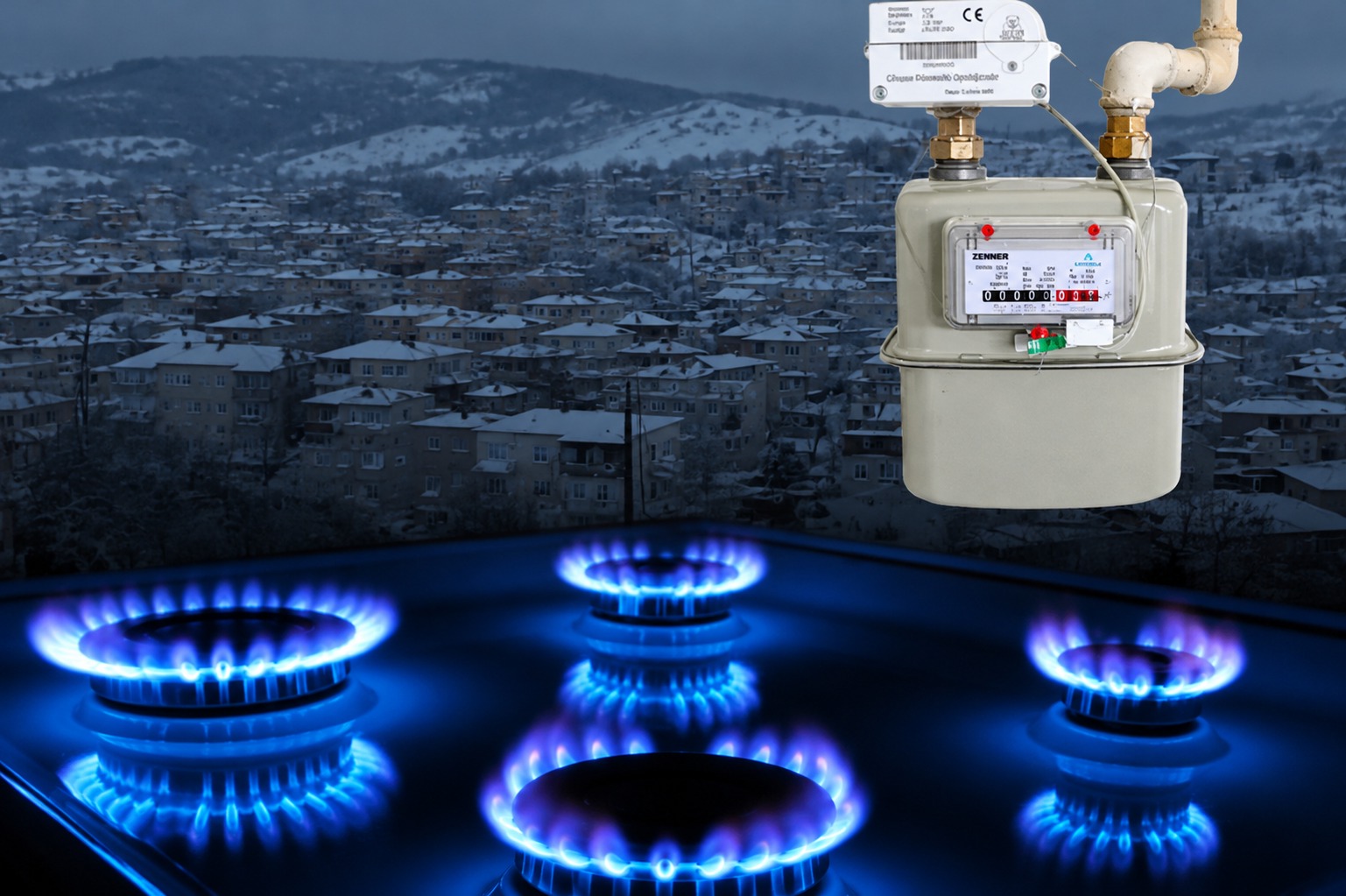
MP Zahid Oruj has proposed applying discounts to utility tariffs for residents of mountainous and border villages. He noted that compared with Baku and Absheron, the climate conditions in the high-mountain villages of Gadabay, Dashkasan, Lerik, Shahbuz and Gusar differ sharply. In some settlements, families are forced to heat their homes for seven to eight months of the year. Zahid Oruj proposes abolishing consumption limits and applying preferential tariffs for those living in harsh climate conditions.
Can the state grant utility discounts in remote villages?
Rasmiyya Sabir (Abdullayeva), head of the “Inclusive Social Development” department at the Institute of Economics of the Ministry of Science and Education, chairwoman of the Public Association of Economists of Turkic States, doctor of economic sciences and professor, told Globalinfo.az that applying discounts on utility tariffs for residents of mountainous and border villages is one of the pressing issues:
“Because climate conditions, living costs and energy demand are not the same in different regions of Azerbaijan. The winter season is longer and harsher, especially in the high-mountain villages of Gadabay, Dashkasan, Lerik, Shahbuz and Gusar districts. Families living in such areas are forced to heat their homes for seven or eight months of the year. This significantly increases their spending on gas and electricity.”
According to the professor, residents of mountainous and harsh-climate areas could be designated as a separate category of consumers:
“Alternatively, it is also possible for a certain portion of utility costs to be compensated by the state. Such an approach would both reduce the social burden on the population and help somewhat soften the differences in living conditions between regions.”

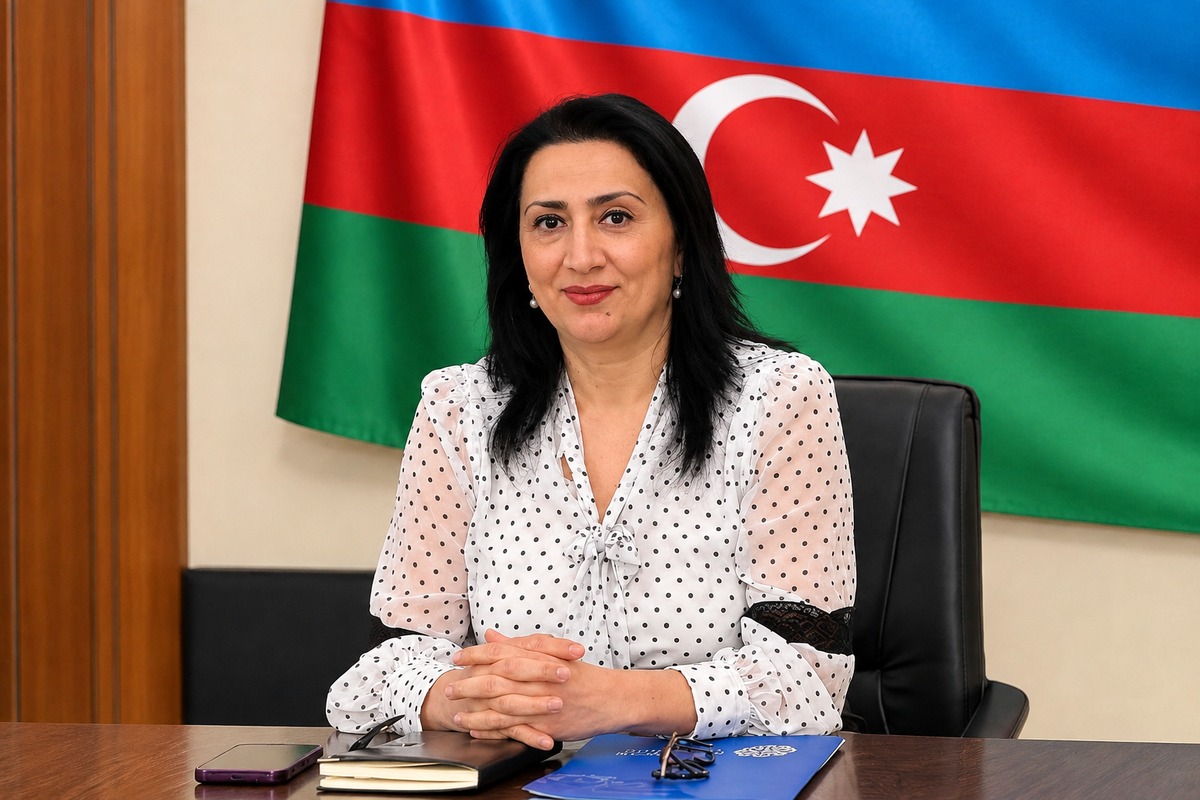
Rasmiyya Sabir
R. Sabir said another important issue is the social protection of teachers and doctors working in remote villages:
“It is true that salary supplements and certain incentive mechanisms exist for those working in mountainous areas. However, additional support measures are needed to eliminate the shortage of personnel in these areas and to prevent specialists from leaving their jobs.
The shortage of teachers and doctors, especially in remote mountain villages, is one of the serious problems. It is not enough to approach the issue only through the prism of utility discounts. There is a need to prepare a separate state incentive program that takes into account the specific socioeconomic characteristics of mountainous and border villages. Within the framework of this program, along with utility subsidies, areas such as improving rural roads, expanding internet and communications services, strengthening healthcare and education infrastructure, providing concessional loans to farmers, and developing local entrepreneurship and tourism should also be covered.”
According to the professor, applying utility discounts in mountainous and border villages is not simply a matter of reducing the population’s daily expenses:
“This should be part of a broader socioeconomic policy linked to accelerating regional development, increasing employment and ensuring that the population remains in their native places of residence. The state must take into account the additional economic burden on people living in these areas and formulate comprehensive support mechanisms to improve their living conditions and ensure the sustainable development of these settlements.”
Zaira Akifgizi
Globalinfo.az
Read also