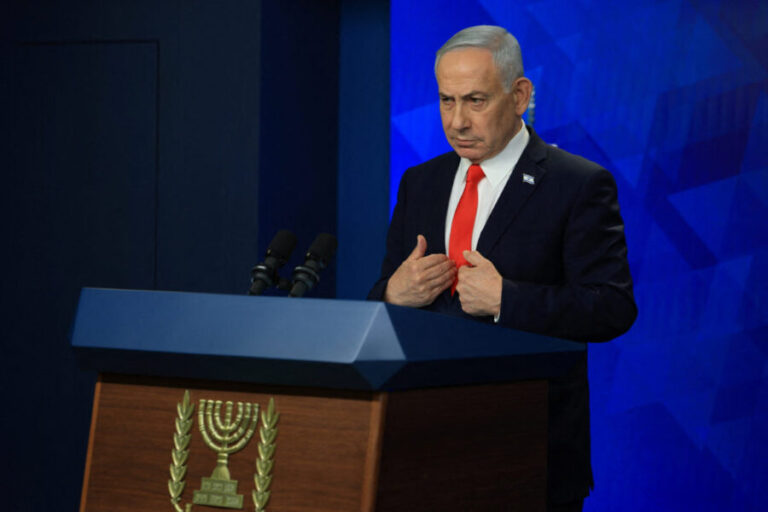
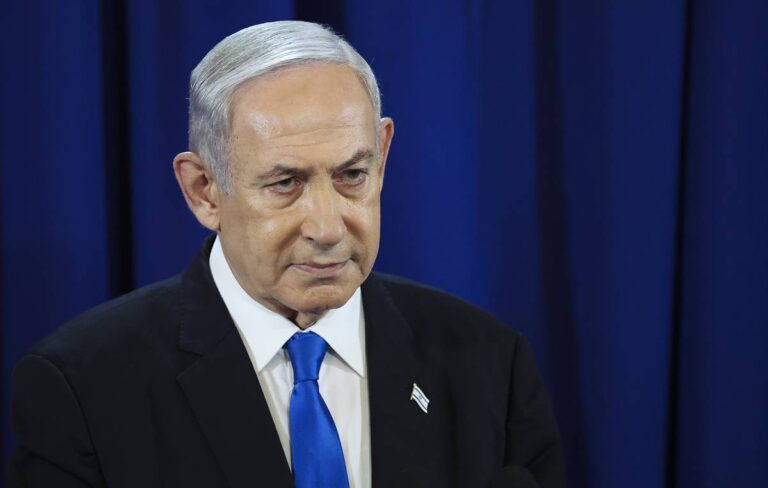
“The parliamentary elections held in Israel have drawn international attention. This is because the results of these elections could have a serious impact on processes in the Middle East.”
These words were spoken to Globalinfo.az by political scientist Oqtay Qasimov while commenting on the results of the elections held for the Knesset in Israel on October 27.
The political scientist said that the entire region has long been waiting to see whether Benjamin Netanyahu, who is currently serving as Israel’s prime minister, will be defeated or victorious:
“Polls show that although his party may come first, it will not be able to form a government on its own. His main rivals in the opposition are former Chief of the General Staff Gadi Eisenkot and former Prime Minister Naftali Bennett. Each of them individually has weak chances of forming a government alone.

The results of the Israeli elections will be officially announced on the 4th of this month. In any case, the Likud Party is running neck and neck with Eisenkot’s party. The party that comes first will be tasked with forming a government. The most difficult issue here is forming a coalition government. Netanyahu has managed to do this many times before. Even if Netanyahu’s party comes second rather than first, his chances of forming a coalition government are not high.
If no party is able to form a government, new elections will be held within 90 days. I believe that although Netanyahu’s chances of forming a government are weaker under the current conditions, this possibility remains on the agenda. This is because Benjamin Netanyahu has great experience and skill in forming coalition governments. That means he could become prime minister again. If the opposition fails to consolidate, this could happen. There are quite a few contradictory aspects here.”
Turan Rzayev
Globalinfo.az
Read also