“After the elections in the United States, the world may become not calmer but, on the contrary, find itself in an unpredictable situation.”
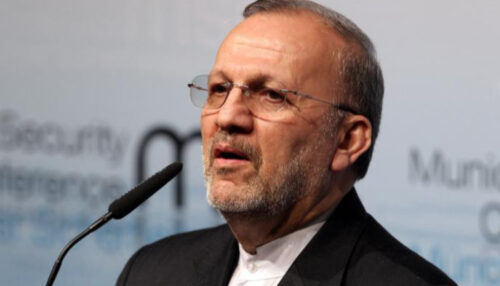
Globalinfo.az reports that this was stated by David Ananyan, former head of Armenia’s State Revenue Committee and a public figure.
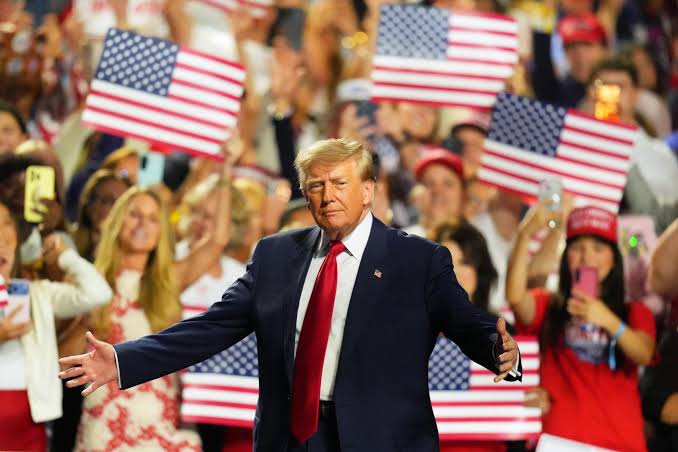
According to a model presented in an October 28 article by The Economist entitled “Will the midterm elections make the world more dangerous?”, the probability of Democrats taking control of the House of Representatives is estimated at 94 percent, while the probability of their taking control of the Senate is 53 percent. However, the main geopolitical question surrounding the November 3 elections is not the numbers but how Donald Trump would react to a possible defeat. A president with limited options in domestic politics may seek a quick success abroad. This could happen through an agreement, pressure or military action,” he said.
Ananyan said attempts to achieve a swift ceasefire on the Russia-Ukraine track could intensify:
“However, a ceasefire and lasting peace are not the same thing. An agreement reached without real security guarantees and a mechanism for imposing sanctions for possible violations could become a pause for preparing for the next war. The opposite scenario is the failure of negotiations and a further deepening of the confrontation. The positions of Ukraine and Europe could also affect these calculations.
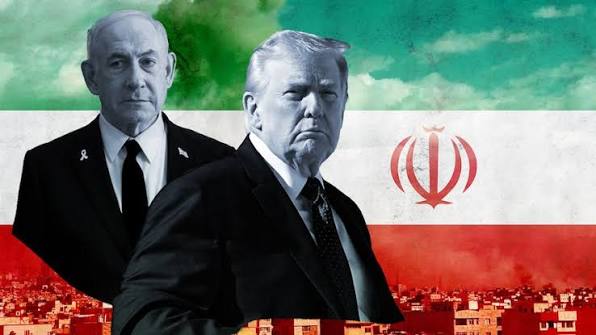
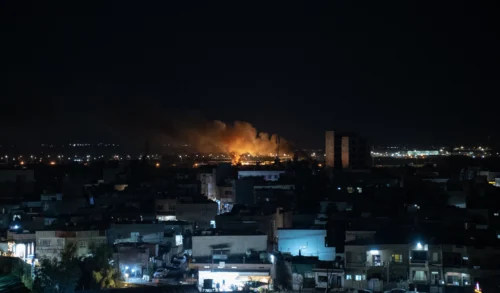
In US-Iran relations, a possible agreement and the use of force do not rule each other out. The article in question discusses new strikes on Iran not as a decision already made, but as a possible scenario. However, a limited strike does not necessarily mean that the consequences will be limited. Retaliatory measures could damage energy infrastructure and communication lines, thereby further expanding the crisis.
These tracks may develop simultaneously. Moreover, reaching agreements with Russia does not mean that US policy towards Iran will necessarily soften. Relations between major powers are not a fixed map of friendship and hostility.”
The public figure said this is not a remote subject of discussion for Armenia:
“Escalation around Iran could affect communication lines in the southern direction, freight transport, energy cooperation and prices. Changes in Russia-West relations could reshape the environment for trade, remittances and sanctions. A shift in major powers’ attention to another direction could also affect the calculations of Turkey and Azerbaijan. A reduction in tensions could create new opportunities. However, new opportunities, of course, do not yet mean security guarantees.
This is precisely where the issue of the current Armenian authorities’ responsibility arises. Cooperating with the United States, maintaining ties with Iran or keeping business relations with Russia is not wrong in itself. What is wrong is presenting any of these as a path to salvation that eliminates all threats.
What will Armenia do if the southern route is closed, tensions arise at the border, or one of its partners changes its priorities? Where are the verifiable and measurable preparedness, alternatives and responsibility?
The authorities’ pathetic and helpless appearance stems not from the country’s small size but from a policy of concealing the difference between promises and real security guarantees. Adventurism can speak even in the language of peace. This happens when a country’s security is built on the hope of others’ unchanging goodwill. Major powers may explain changes in their positions by citing new interests. Armenia, however, cannot justify its lack of preparedness by invoking a new world order.”
Aliyar Khalil
Globalinfo.az
Read also