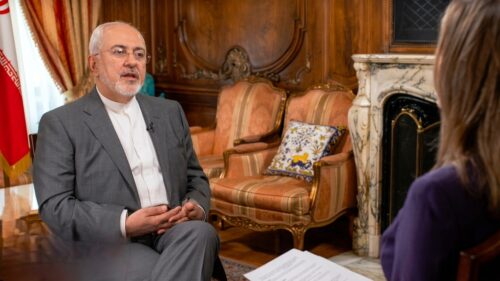
“Finally I found the time to watch the extensive, two-part, roughly three-hour interview that Iranian Foreign Minister Abbas Araghchi gave to director Javad Mogui. It is a highly interesting account by a witness and participant, one that helps understand the start and course of the 40-day war and many details of the subsequent negotiations. Especially noteworthy were Araghchi’s statements about how the Iranian state system operates under various scenarios.”
Globalinfo.az reports that Iranologist Vardan Voskanyan wrote this on his social media account.
He noted that it was with the approval of the supreme religious leader that a special plan under code “110” was also prepared, so that state bodies could operate independently in the event of his killing:
“After the strike on the residence of the supreme religious leader, Iran’s foreign minister climbed out from under the rubble of the building and drove to the ministry building in an ordinary car. With no way at first to contact other state and military bodies, he began calling his counterparts from the Arab states of the Persian Gulf. Araghchi warned them that if the strikes had been launched from US military bases located on the territory of those countries, those bases would become targets of Iran’s retaliatory strikes. Because those strikes had been planned in advance.
Many talk about various units of Iran‘s Armed Forces operating independently, about the so-called ‘mosaic governance’ model. Yet the state system functioned on exactly the same principle: possible scenarios and the responses to them had been prepared in advance,” he said.
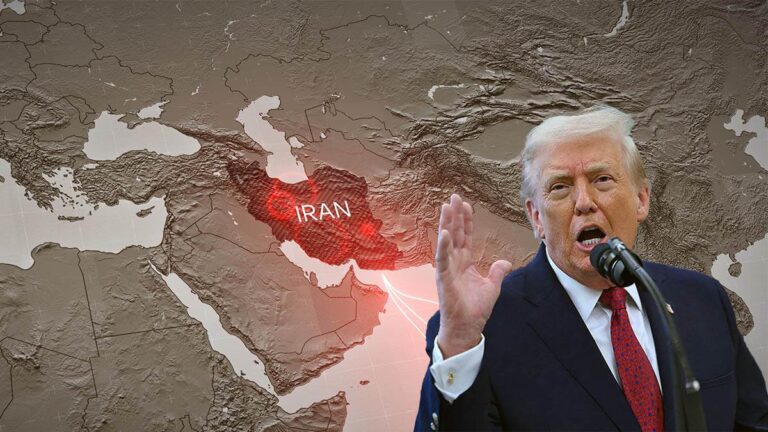
Note that the 40-day war between Iran and the US and Israel began on February 28, 2026. During the conflict the sides launched large-scale military strikes.
Gunay Rasulqizi
Globalinfo.az
Read also