Iran has broken its long-standing silence, and in an unexpected manner. Speaking at a press briefing, Iranian Foreign Ministry Spokesperson Esmaeil Baqaei said:
“The Azerbaijani people are a heroic and discerning nation. The issue of the hijab is important to us, to the Azerbaijani people, and to other Muslims. In my view, Azerbaijanis know best how to make their voices heard by their government in a manner required by their country’s interests, in order to protect their faith and beliefs.”
“Azerbaijan is a country with which we share good relations, as well as bonds of friendship and brotherhood. We hope that this issue in Azerbaijan will be resolved through mutual understanding, with respect for shared values and the fundamental rights of the people,” Baqaei added.
Baqaei’s statement is indeed noteworthy. Tehran demonstrated that it does not openly defend Azerbaijan’s policy on the hijab issue, nor does it unconditionally back the Azerbaijani government’s decision. The significance of the hijab for Iran, the people of Azerbaijan, and other Muslims was also underscored.
So far, there is nothing out of the ordinary; one could even call this a typical Iranian approach. However, Baqaei voiced a particular thought that warrants special attention. He stated that Azerbaijanis know best how to communicate with their government to safeguard their beliefs, expressing hope that the matter would be resolved through mutual understanding.
In diplomatic language, this conveys a simple yet crucial message: religious values matter, but deciding how to protect them is an internal matter for Azerbaijani society and the state to debate.
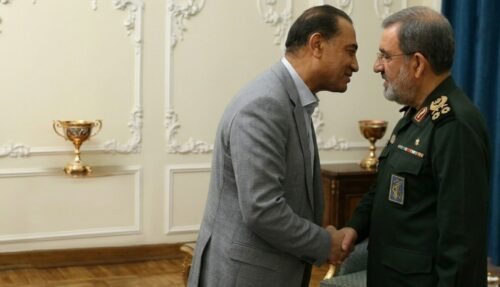
Iran is certainly not blameless. We know all too well how Tehran exploits religion and local influence groups when the opportunity arises. It was also known that provocations during the school demonstrations that followed the decision, as well as specific figures inciting parents and religious believers, were receiving directives from Tehran. Yet, in the current circumstances, Tehran is handling the issue with restraint and reflecting that in its official statements.
Now, let us compare this stance with the reactions coming from Türkiye. What Azerbaijani society expected from Türkiye was the very approach demonstrated—even if disingenuously—by Iran. One may disagree with the decision, express concern, and regard the preservation of religious values as essential. However, all of this must be voiced while respecting Azerbaijan’s right to make its own decisions. Unfortunately, rather than this approach, reactions from certain Turkish political circles and media outlets featured harsh accusations, definitive judgments, and an ultimatum-like tone demanding that Azerbaijan retract its decision.
The tone chosen by some Turkish political figures and media representatives when expressing discontent over Azerbaijan’s domestic decisions is concerning. It is as if Azerbaijan’s right to define its educational policy, establish rules of public administration, and regulate the relationship between religious faith and secular governance within its own legal framework is up for debate. Yet Azerbaijan is an independent state. Its decisions can be discussed and criticized. However, the displeasure or dictations of another country’s political circles do not grant a right of veto over Azerbaijan’s domestic policies.
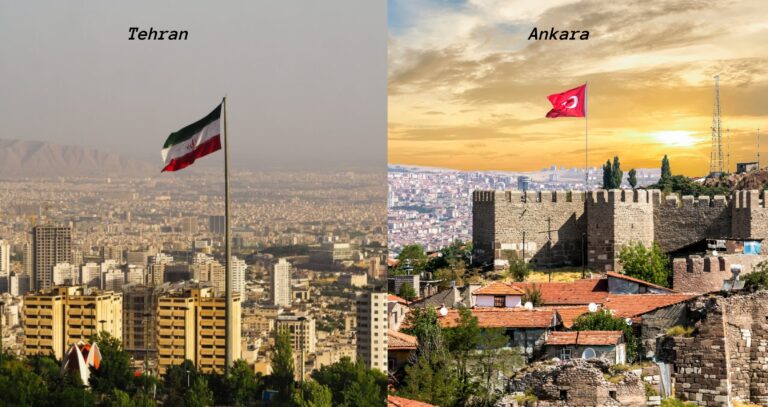
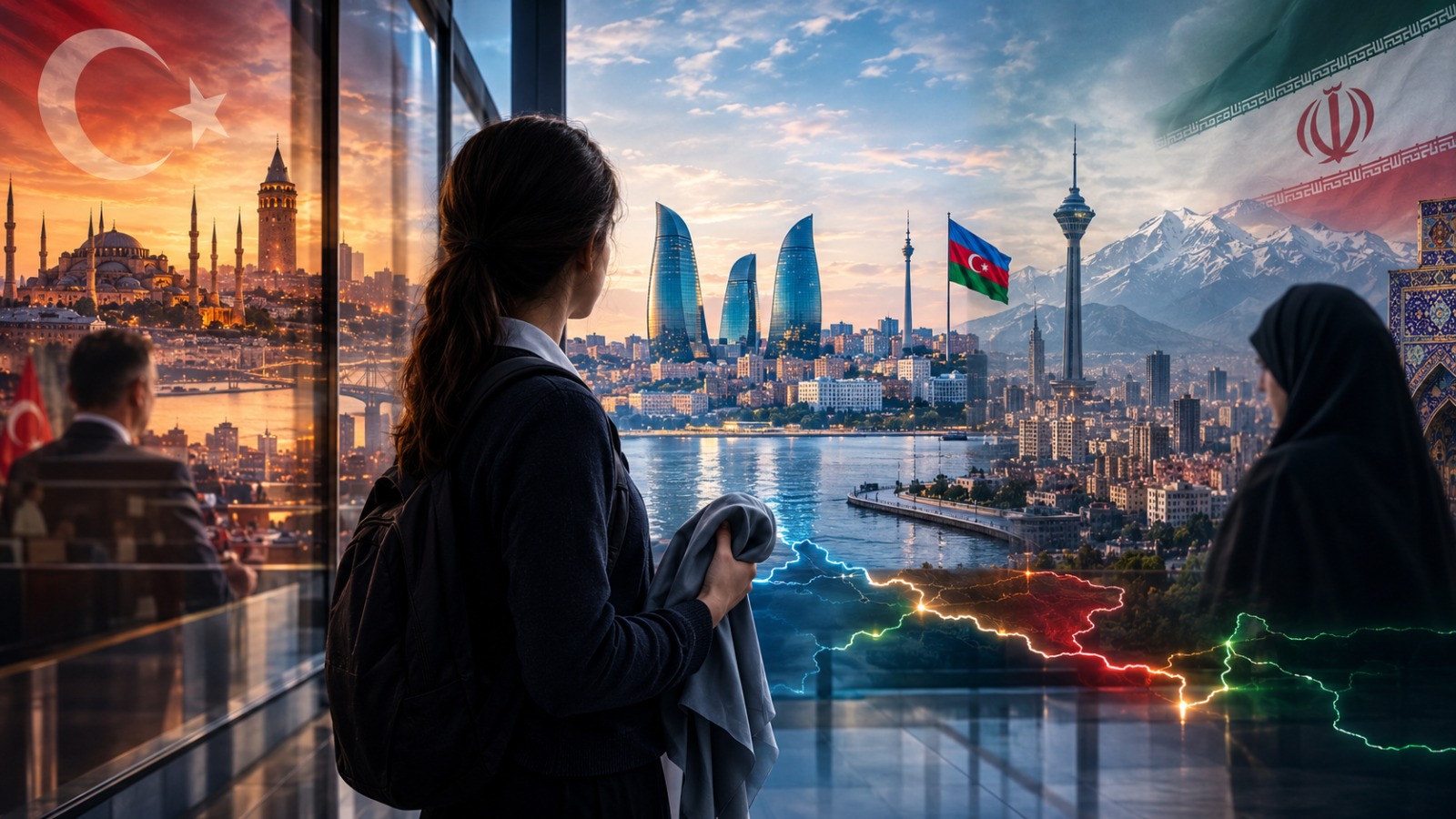
Regardless of what transpires behind the scenes, the reactions delivered by Türkiye and Iran at the diplomatic and official levels are indeed thought-provoking. Iran is an Islamic republic, whereas Türkiye is a secular state. While Iran’s official religion and sect are codified in its constitution, this is not the case in Türkiye, which is officially secular, just like Azerbaijan. Despite this, the picture that has emerged regarding Azerbaijan’s internal affairs presents an unexpected contrast. Iran’s official diplomatic language speaks of mutual understanding, the dialogue between the Azerbaijani people and their government, and respect for shared values. Meanwhile, reactions from certain political and media circles in Türkiye have taken a harsher, demanding approach, even declaring Azerbaijan’s decision unacceptable.
Again, there is no need to overly romanticise Iran’s statement. Tehran is a state driven by its own interests, and those interests can change. Its relations with Azerbaijan are guided not only by religious solidarity but also by geopolitical calculations.
Yet at this juncture, calm prevails within the Iranian public, state-owned media outlets, influence groups, and troll networks. In contrast, media entities and troll networks tied to the AKP have launched an overt attack, choosing a rhetoric of threats, abuse, and insults.
This is what saddens us, gives us pause, and causes regret!
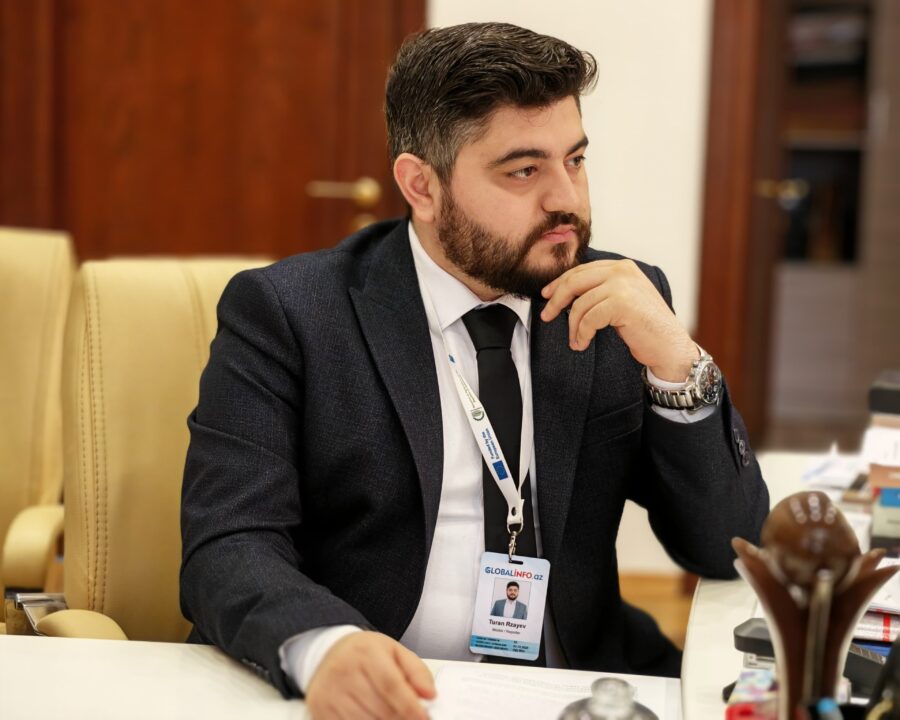
Turan Rzayev
Political columnist for Globalinfo.az
Read also