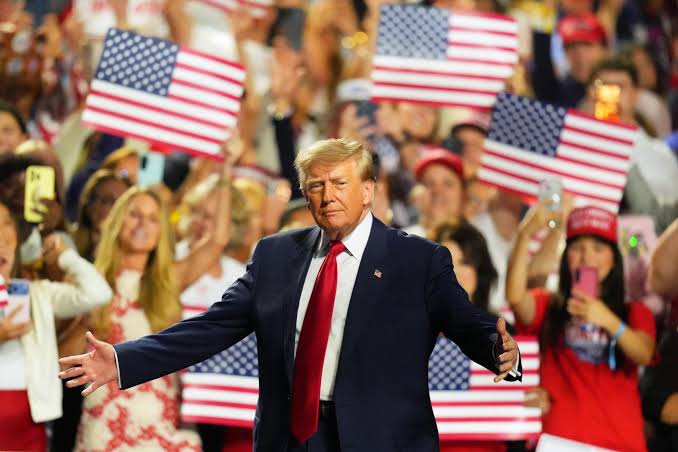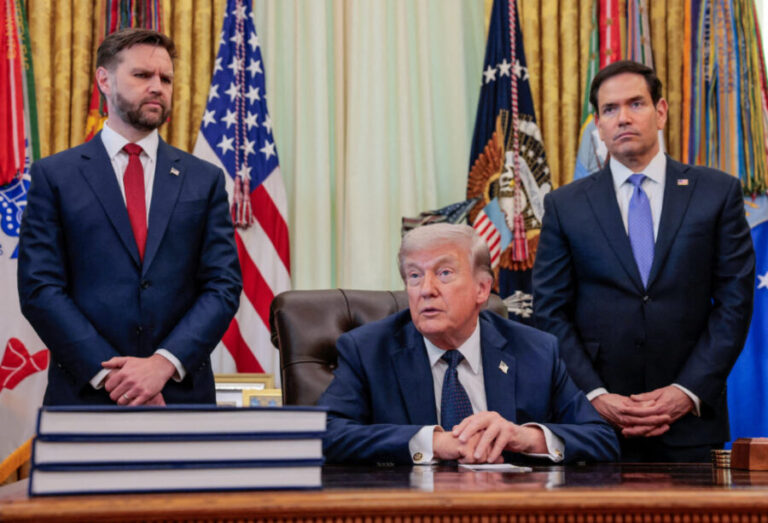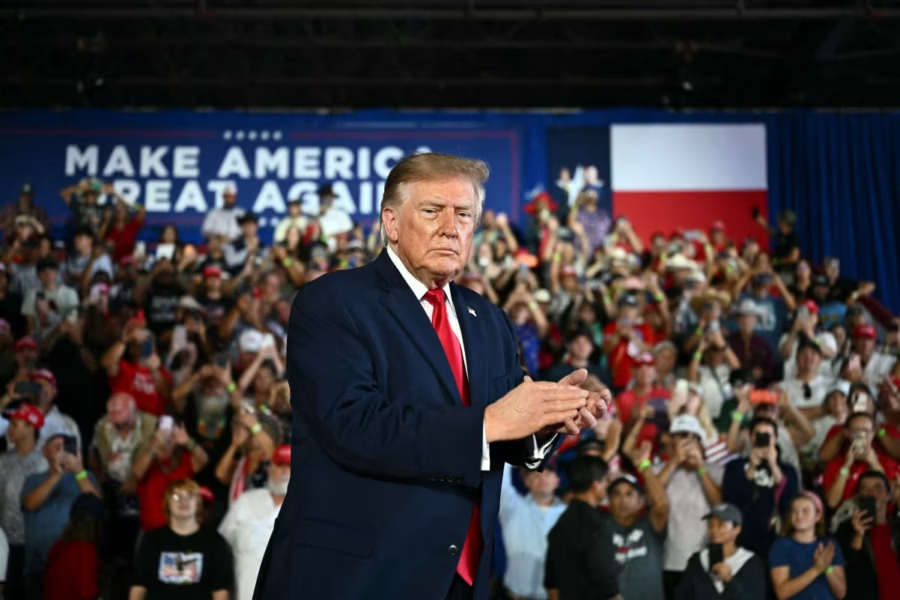
The midterm elections held in the United States on November 3 are regarded as a serious political test for President Donald Trump’s administration. The results will determine not only the balance of power between Republicans and Democrats in Congress, but also how freely Trump will be able to act during the remaining two years of his presidency. Early forecasts suggest the Democrats could gain the upper hand in the House of Representatives, while the race in the Senate is expected to be tighter.
Trump’s policy of confrontation with Iran, rising energy prices, economic difficulties and domestic political discontent are among the main risks facing the Republicans.
Given this, how might the election results affect the White House’s foreign policy course, particularly the future of the standoff with Iran and Washington’s position on the Russia-Ukraine war? Will a Democratic majority in Congress limit Trump’s decision-making, or will the president still be able to act as freely as before in foreign policy?
Political commentator Ulviyya Zulfigar, speaking to Globalinfo.az, said the midterm elections to Congress will essentially determine the political conditions under which the remaining two years of Donald Trump’s presidency will unfold:
“This is not simply about how mandates are divided between Republicans and Democrats. Voters are effectively expressing their attitude toward the policies pursued by the Trump administration over the past two years. One point should be particularly noted: if the majority in Congress is lost, it could become harder for Trump to carry out his political initiatives, and parliamentary oversight of his administration could grow stronger.
As for the Iran issue, the election results will not pass without effect on official Washington’s subsequent military strategy. If the Democrats win a majority in one or both chambers of Congress, continuing the confrontation with Iran, the funding of military operations and the president’s war powers could become subjects of more serious debate. In particular, the fight over funding for any new large-scale operations is likely to intensify. At the same time, it would not be accurate to assume that a Democratic victory would automatically lead to an end of the confrontation with Iran, since the US president retains fairly broad powers in making foreign policy and military decisions. On the other hand, one cannot rule out the possibility that Trump, facing limited room for maneuver domestically, might adopt a more assertive stance in foreign policy. In other words, after the elections, both an increase in diplomatic pressure and continued military tension are possible scenarios.”


Ulviyya Zulfigar
The political commentator noted that the situation regarding the war in Ukraine is somewhat different:
“Democrats have traditionally been more active supporters of continuing military and financial aid to Ukraine. A strengthening of their position in Congress could pave the way for new aid packages to be put on the agenda, for initiatives to tighten sanctions against Russia, and for stricter oversight of the Trump administration’s relations with official Moscow. But here too, contradictions could emerge between decisions made in Congress and White House policy. Although Trump has said he favors ending the war through diplomatic means, Democrats may demand that any eventual agreement not come at the expense of Ukraine’s security interests. Such a situation could make it harder for official Washington to present a unified position in the negotiation process.
I believe the main significance of these elections lies not in whether Trump remains in power, but in how freely he will be able to act over the next two years. If the Republicans retain control of Congress, the administration will have more favorable conditions to continue its current course in both domestic and foreign policy. A strengthening of the Democrats’ position, on the other hand, will intensify the confrontation between the White House and Congress. That said, it would not be correct to say that fundamental changes in US policy toward Iran and Ukraine will depend on the election results alone. The military situation, economic capacity, the positions of allies and Trump’s own political decisions will all play an important role here as well. For this reason, these elections should be assessed not merely as a domestic political struggle within the United States, but as an important political milestone that will determine the capacity with which Washington will intervene in international crises going forward.”
Turan Rzayev
Globalinfo.az
Read also