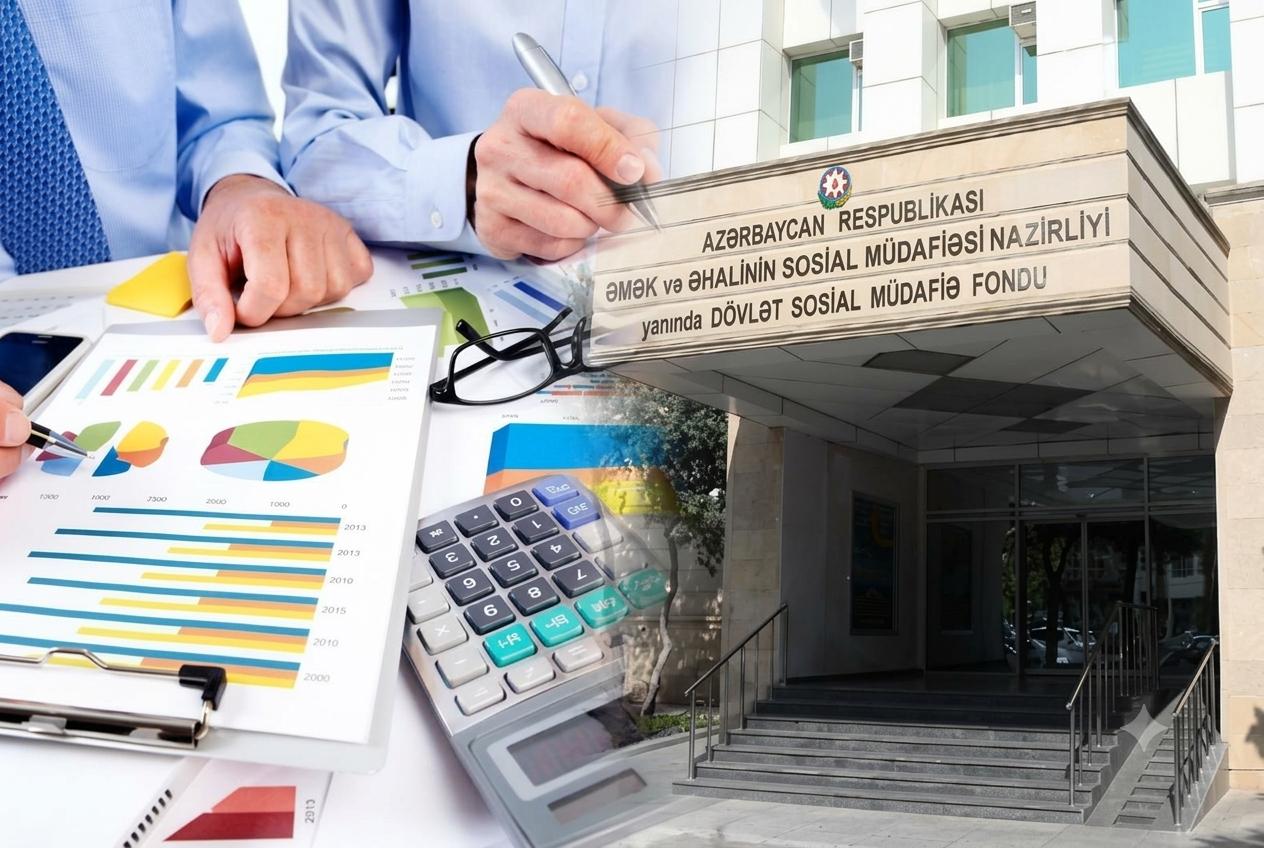
As of October 2026, the total number of people receiving monthly social benefits and allowances in Azerbaijan exceeded 887,000. More than 479,000 of them receive social benefits, while more than 407,000 receive allowances. These figures show that the number of citizens benefiting from social payments in the country is quite high.
Could the increase in the number of social benefit and allowance recipients affect payment amounts in the future? How does this increase change the scope for indexing, or raising, benefits and allowances?
Elchin Rashidov, an economist, told Globalinfo.az that an increase in the number of recipients of social benefits and allowances affects the amount of funds allocated to them:
“Although these payments are provided after a certain age, the calculation methods differ. For example, the amount of a pension depends on whether a person’s pension capital has been accumulated. The fewer people there are in this category, the larger the share of allocated funds per person. Distributing the same amount among fewer people naturally also affects the scope for indexing and increasing their payments.”
The economist said that the size of the young population must also be taken into account:
“The steadily declining birth rate in Azerbaijan could negatively affect the working-age population and the labour market in the future. At the same time, economic development indicators are also an important factor.
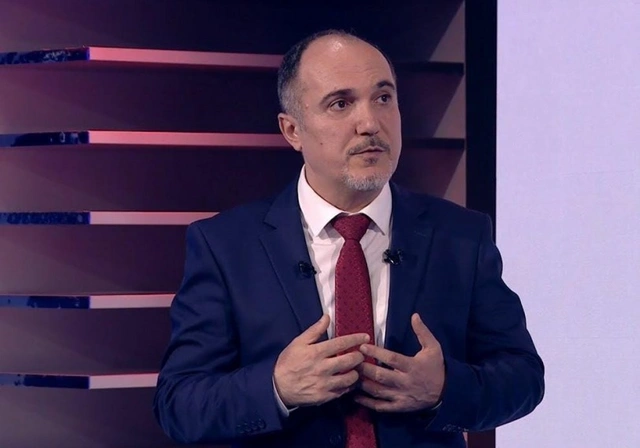
Elchin Rashidov
In recent years, Azerbaijan’s economic development pace has consistently lagged behind that of neighbouring countries, while prices have risen rapidly. This situation has a particularly negative impact on vulnerable population groups, including the financial situation of elderly people, and will make their social circumstances even more difficult in the future.
On the other hand, funds are allocated from the state budget, and consequently from the State Oil Fund, to cover the deficit of the State Social Protection Fund (DSMF). This shows that the fund’s dependence on oil revenues remains high. The end of the oil era could create an additional financial burden on the DSMF. Unfortunately, the consequences of this burden may ultimately fall on vulnerable population groups, especially pensioners.”
Laman Imran
Globalinfo.az
Read also