In recent days, citizens in several leading countries have been urged to prepare for possible emergencies. People are advised to keep enough food and water at home for at least three days and to prepare cash, flashlights, radios and charging devices. It is notable that the United Kingdom, the United States and Japan have issued such warnings in succession.
To what extent are these government calls, against the backdrop of growing geopolitical tensions, war risks and possible cyberattacks, based on real threats? Is this preparation for possible crises, or an attempt to build an expectation of danger in society and win support for increased military spending?
Security expert and reserve lieutenant colonel Ilham Ismayil told Globalinfo.az that the world order has been disrupted for more than six years and that the situation has approached a critical point in recent days:
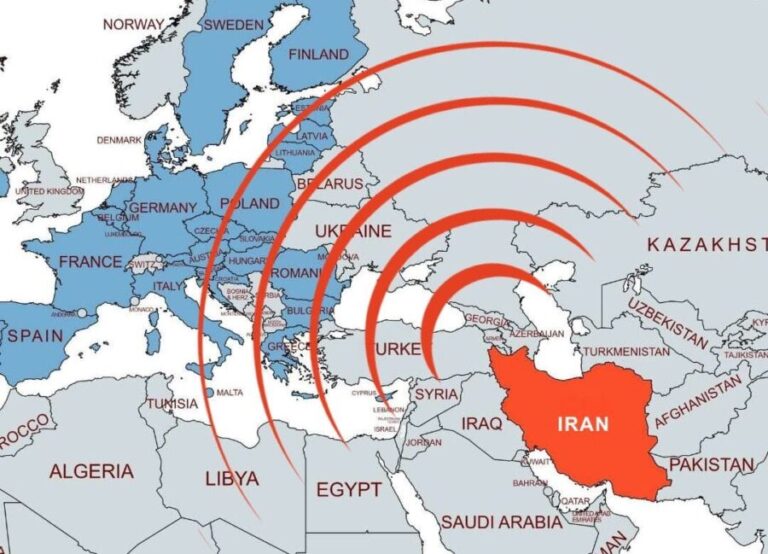
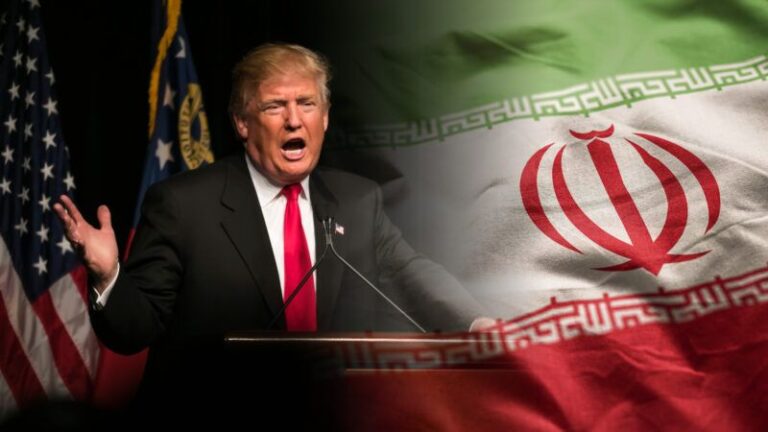
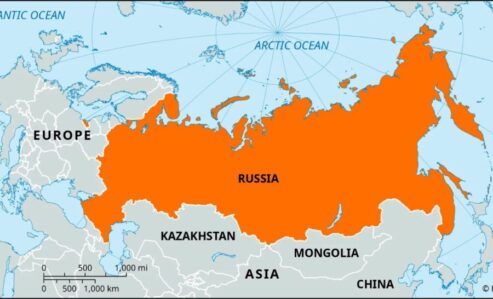
“This, in particular, increases the likelihood of a possible US attack on Iran after the midterm elections to be held in November. However, the main question is whether such an attack, if it occurs, would be limited to Iran alone. Tehran also has the capacity to respond, and this could mainly be directed at Gulf countries and Israel. This could lead to the involvement of a considerable number of countries in the process. At such a time, Russian President Vladimir Putin‘s frequent statements that they do not intend to go to war with Europe, but that there would be no winner if such a war occurred, are also among the factors increasing overall tensions. Such statements create grounds that could inflame the situation.”

Ilham Ismayil
I. Ismayil believes that in some cases these statements are intended to have a psychological effect:
“In other words, they can be viewed as an attempt to show opposing sides and the world as a whole that major tensions may arise. This is precisely why some countries are warning their populations about possible threats. However, as I said, it is difficult to say at present that these warnings are backed by a very serious and direct threat.”
According to Ilham Ismayil, the factor of increased military spending may also play a certain role:
“The main issue is that the current situation in world politics has reached a critical point. The main causes of this tension include a possible US attack on Iran after the midterm elections, the possibility of a confrontation between Russia and Europe that may not be limited to the war in Ukraine, as well as the question of whether China will join such a process in the future. Therefore, I believe that calls by some countries for their populations to prepare for emergencies may, to some extent, serve as a deterrent. However, in my view, the likelihood that these warnings are based on a real and imminent threat is quite low.”
Zaira Akifgizi
Globalinfo.az
Read also